While the investment community is well-versed in the geopolitical risks that Middle Eastern tensions pose to global oil markets, a critical, yet often underestimated, vulnerability is emerging within the natural gas sector. The Strait of Hormuz, a strategic choke point bordered by Iran, plays an outsized role in global energy flows. Traditionally, the focus has been on crude oil, with approximately one-fifth of global consumption transiting this narrow waterway. However, as the global energy landscape evolves, investors must now critically assess the growing exposure of liquefied natural gas (LNG) supplies, and particularly Europe’s unique susceptibility, to potential disruptions in this region. This analysis delves into the structural factors that could amplify the impact of any Strait-related instability on gas prices, creating significant investment implications despite seemingly lower direct exposure.
The Strait of Hormuz: A Dual Energy Choke Point
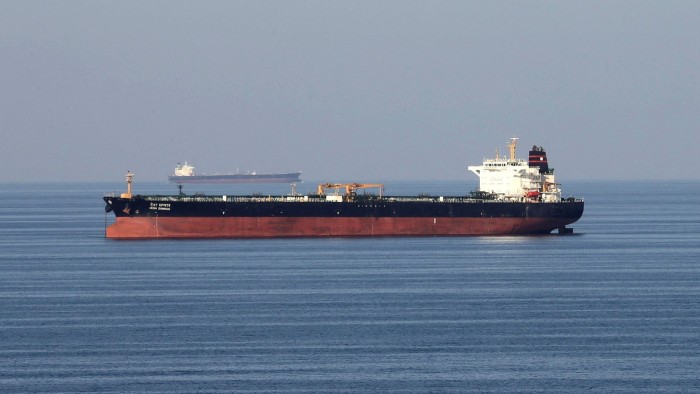
The Strait of Hormuz undeniably remains a linchpin for global oil supplies, with a substantial portion of the world’s crude navigating its waters daily. This fundamental vulnerability is a constant in geopolitical risk assessments for oil investors. However, an equally significant, though perhaps less intuitive, volume of energy now traverses the Strait in the form of LNG. Around one-fifth of the world’s super-chilled gas supplies, predominantly from Qatar, also flow through this passage. While LNG currently accounts for only 10 to 15 percent of total global gas consumption—with the majority still transported via pipelines or consumed near its production source—its strategic importance for specific regions cannot be overstated. The key differentiator for investors lies in understanding how disruption to this relatively smaller component of global gas supply could trigger disproportionate market reactions, especially when considering the complex interplay of regional dependencies and global spot market dynamics.
Europe’s Structural Vulnerability to Asian LNG Competition
Despite only 12 percent of the gas transiting the Strait of Hormuz being directly routed to Europe (with a substantial 82 percent destined for Asia), the continent’s structural oddities make it acutely vulnerable to any disruption. Following the significant curtailment of Russian pipeline gas imports, Europe’s reliance on LNG has surged to approximately 40 percent of its total gas demand. Critically, about 60 percent of this LNG is procured via the volatile spot market, rather than through more secure, long-term contracts. This reliance on spot purchases means Europe is directly exposed to global price competition, particularly with Asia. Should Asian markets face a shortfall in Qatari LNG supplies due to Strait disruptions, they would inevitably enter a fierce bidding war for available spot cargoes. This intensified competition would drive up global LNG spot prices, inevitably impacting Europe, even if not directly importing from the Strait. Our internal data indicates that investors are keenly asking about the drivers behind Asian LNG spot prices this week, and this potential for intensified competition is a primary concern. To put potential price movements into perspective, while European spot gas currently trades around $12 per million British thermal unit (MMBtu) on continental exchanges, the average price for spot gas on the Asian JKM index soared to $33 per MMBtu during the tight market conditions of 2022, highlighting the significant upside risk in a truly constrained scenario.
Current Market Stability Amidst Underlying Geopolitical Risks
As of today, Brent crude trades at $95.01, showing a modest daily gain of 0.23% within a range of $91-$96.89. This follows a more significant trend over the past three weeks, where Brent has seen an 8.8% decline from its $102.22 peak on March 25th to $93.22 on April 14th. WTI crude mirrors this sentiment, currently at $91.56, up 0.31%, while gasoline prices hover near $2.99, reflecting a general stability in the immediate term. These figures suggest that while geopolitical tensions remain a constant backdrop, they are not currently translating into a sustained upward momentum for crude prices. However, this apparent calm belies the significant underlying risks, particularly for gas markets, which our readers are increasingly focused on. Investors are consistently asking for a base-case Brent price forecast for the next quarter, and our analysis underscores that any such forecast must carefully weigh this current market stability against the potential for rapid shifts driven by unexpected geopolitical events, especially those impacting critical choke points like the Strait of Hormuz.
Forward Outlook and Investor Actionables
Looking ahead, the energy market calendar is packed with events that could influence sentiment and prices, further interacting with geopolitical developments. The upcoming OPEC+ Joint Ministerial Monitoring Committee (JMMC) meeting on April 18th, followed by the full Ministerial meeting on April 20th, will be crucial. Any indications from this group regarding adjustments to production quotas or changes in their market outlook, particularly in response to perceived supply risks or demand changes, could significantly impact crude prices. Beyond OPEC+, the consistent flow of supply-demand data from the Baker Hughes Rig Count reports on April 17th and 24th, alongside the API and EIA Weekly Crude Inventory reports on April 21st, 22nd, 28th, and 29th, will provide critical insights into the underlying fundamentals of the oil market. For gas investors, these events, combined with the structural vulnerabilities highlighted earlier, underscore the need for a diversified strategy. Given that gas prices influence European power prices approximately 60 percent of the time, any significant hike in spot LNG costs due to Middle East disruptions would reverberate broadly across the European economy. This situation reiterates the urgent imperative for regions like Europe to accelerate investments in alternative energy sources, including nuclear power and renewables, to mitigate long-term energy security risks. Investors should consider positions in companies at the forefront of this energy transition, while also carefully monitoring the geopolitical landscape for short-term trading opportunities in the volatile spot LNG market.