The global oil market stands at a precarious juncture, with escalating tensions surrounding the Strait of Hormuz threatening to upend supply stability and send crude prices soaring. Recent diplomatic overtures highlight the gravity of the situation, as the U.S. has explicitly called upon China to leverage its influence with Iran to prevent any move to close the vital maritime choke point. For energy investors, understanding the intricate web of geopolitical risk, market dynamics, and diplomatic pressure is paramount to navigating the coming weeks and months. This analysis delves into the potential market ramifications, the crucial role China plays, and how upcoming energy events could amplify or mitigate the immediate supply risks.
The Hormuz Choke Point: A Volatile Supply Fuse
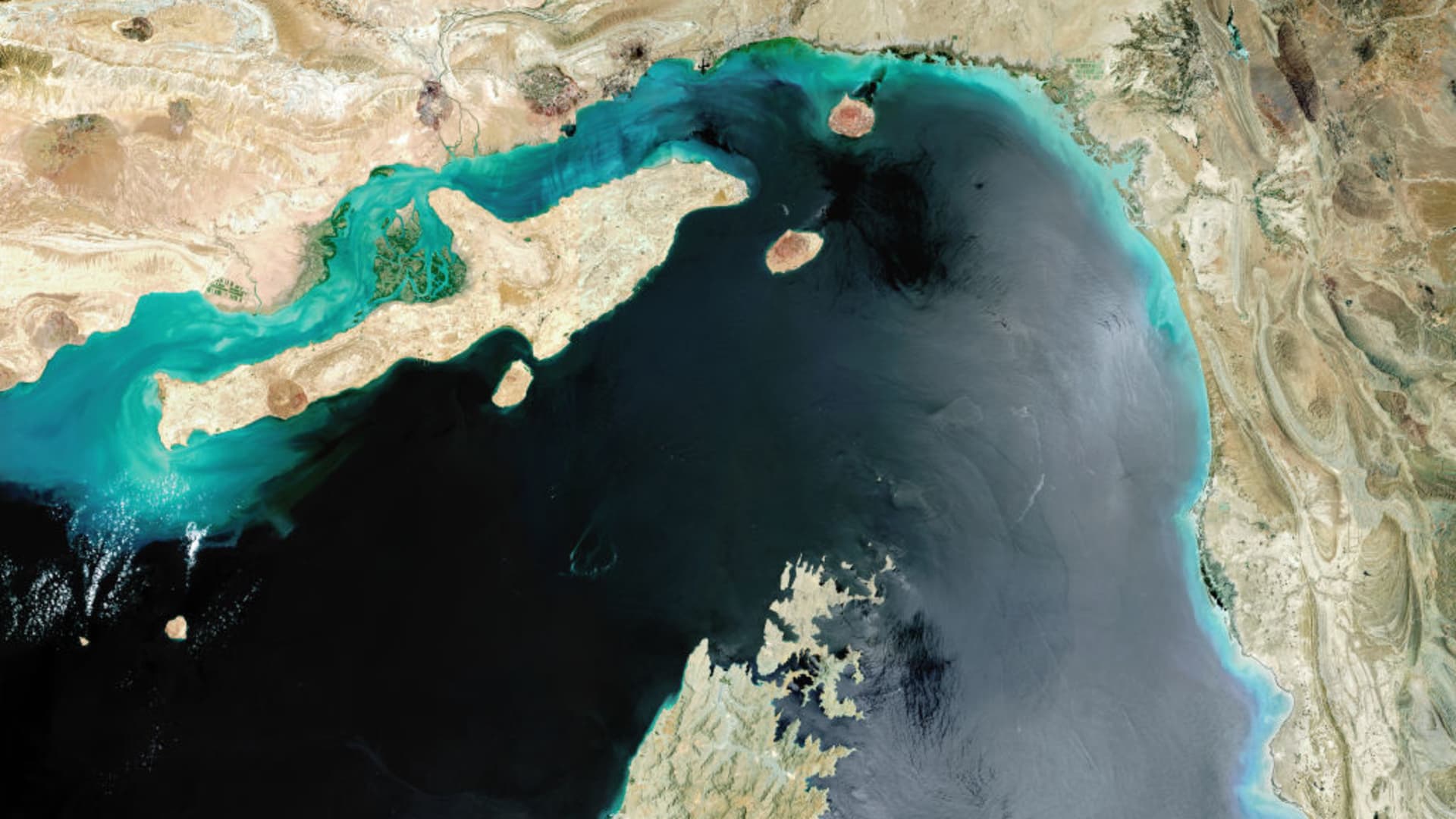
The Strait of Hormuz is not merely a shipping lane; it is the single most critical artery for global crude oil flow, through which approximately 20 million barrels per day (bpd) — roughly 20% of the world’s total consumption — passed in 2024. Any significant disruption to this waterway would reverberate through the global economy with profound consequences. Iran, a major OPEC producer, pumps 3.3 million bpd and exports at least 1.6 million bpd, with a staggering 80% of those exports destined for China. The rhetoric from Tehran has grown increasingly hawkish following recent U.S. actions, with Iran’s foreign minister asserting the Islamic Republic’s right to defend its sovereignty and reports emerging from state-owned media of parliamentary backing for closing the Strait. While the final decision rests with Iran’s national security council, the threat itself introduces immense uncertainty. Investment banks and energy consultants have warned that a prolonged closure could easily propel crude oil prices beyond $100 per barrel, underscoring the severe upside risk to current price levels.
Market Undercurrents vs. Geopolitical Headwinds
As of today, Brent crude trades at $94.84, showing a marginal gain of +0.05%, with WTI slightly lower at $91.22. This relative stability, however, belies a recent period of volatility; Brent has trended down by $9, or 8.8%, from $102.22 just three weeks ago. This recent price action suggests that the market, while sensitive to broader supply-demand signals, might be currently underpricing the immediate and severe geopolitical risks emanating from the Strait of Hormuz. Despite the U.S. Secretary of State Marco Rubio’s assertion that closing the strait would be “economic suicide” for Iran, some seasoned analysts warn that the market is overly optimistic about the speed with which any disruption could be neutralized. The prevailing market consensus, which often assumes a swift resolution by the U.S. Navy within hours or days, could be a dangerous miscalculation. Experts suggest that a disruption could persist for weeks or even months, implying a far more significant impact on global supply and, consequently, crude prices than current valuations reflect. For investors looking for a base-case Brent price forecast for the next quarter, this underappreciated risk factor demands careful consideration, as a black swan event here would swiftly invalidate most existing models.
China’s Decisive Hand in the Diplomatic Chessboard
The U.S. appeal for China’s intervention underscores Beijing’s pivotal role in the unfolding geopolitical drama. As Iran’s most important oil customer, receiving approximately 1.3 million bpd of Iranian crude, China possesses significant economic leverage over Tehran. Secretary Rubio’s direct call for the Chinese government to engage with Iran highlights the U.S. recognition of this unique relationship. China’s own economic stability is deeply intertwined with the free flow of oil through the Strait of Hormuz, as any disruption would directly impact its energy security and industrial operations. Many investors are keenly watching China’s energy sector, frequently asking about the operational status and demand outlook for Chinese ‘tea-pot’ refineries. A closure of Hormuz would not only elevate global crude prices but also directly threaten the feedstock supply to these very refineries, creating a powerful incentive for Beijing to de-escalate tensions. China’s response, or lack thereof, to the U.S. request will be a critical indicator of the potential for diplomatic resolution versus escalating conflict, directly influencing the risk premium embedded in oil prices.
Navigating Upcoming Events Amidst Heightened Risk
The next two weeks are packed with critical energy events that, against the backdrop of heightened Hormuz risk, will be scrutinized for any market-moving signals. The upcoming OPEC+ Joint Ministerial Monitoring Committee (JMMC) meeting on April 18th, followed by the Full Ministerial meeting on April 20th, will be paramount. Should the geopolitical situation in the Middle East escalate, the discussions around existing production quotas and potential supply adjustments could shift dramatically. Any perceived threat to global supply, especially from a major choke point, could force OPEC+ to reconsider its current output strategy, potentially adding volatility to prices. Furthermore, the weekly API and EIA crude inventory reports on April 21st/22nd and April 28th/29th will provide vital insights into current U.S. supply-demand balances. In a scenario of Hormuz disruption, these inventory levels would become even more critical indicators of global market tightness. Alongside these, the Baker Hughes Rig Count reports on April 17th and 24th will offer a pulse check on North American production trends, a crucial factor in global supply resilience. Investors seeking to build a robust 2026 Brent forecast must factor in how these scheduled events could react to, and be overshadowed by, any significant development in the Strait of Hormuz.
In conclusion, the situation in the Strait of Hormuz presents a clear and present danger to global oil supply and, consequently, to crude oil prices. While current market pricing may not fully reflect the potential for a prolonged disruption, the involvement of China as a key diplomatic player adds a layer of complexity. Investors must remain highly vigilant, monitoring not only geopolitical developments but also the implications of upcoming OPEC+ decisions and inventory reports, all of which could be dramatically recontextualized by events in this critical maritime corridor. The confluence of strategic chokepoint risk, diplomatic maneuvering, and scheduled market events demands a dynamic and informed investment strategy.