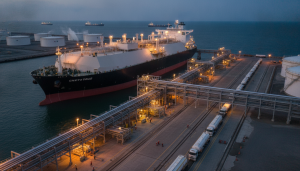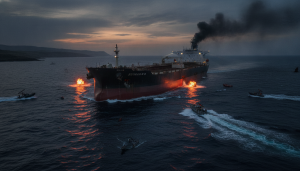
The geopolitical landscape surrounding the Arabian Peninsula has become increasingly volatile, signaling a heightened risk to the global oil supply chain. Following recent U.S. military action and the subsequent lack of clarity regarding potential responses, a leading global organization representing shipowners and operators has issued a stark warning: the threat to commercial shipping in critical waterways is on the rise. For oil and gas investors, this translates into a complex calculus of supply disruption potential, fluctuating prices, and the need for agile market strategies. Understanding the implications of these escalating tensions on key chokepoints is paramount for navigating the coming months.
Escalating Threats to Critical Chokepoints
The core of the current concern lies in the vulnerability of vital maritime arteries that funnel a significant portion of the world’s energy supply. Warnings highlight an amplified threat across the Red Sea, the Gulf of Aden, and, most critically, the Strait of Hormuz. While specific targets may initially focus on vessels with certain national affiliations, the broader risk of indiscriminate attacks on merchant ships cannot be dismissed. The Strait of Hormuz stands as an unparalleled strategic chokepoint, through which 20.9 million barrels of oil traversed daily in 2023, accounting for roughly 20% of global petroleum liquids consumption. Any disruption, even temporary, in this narrow passage could trigger immediate and severe repercussions across global energy markets, manifesting as sharp price increases and significant supply delays.
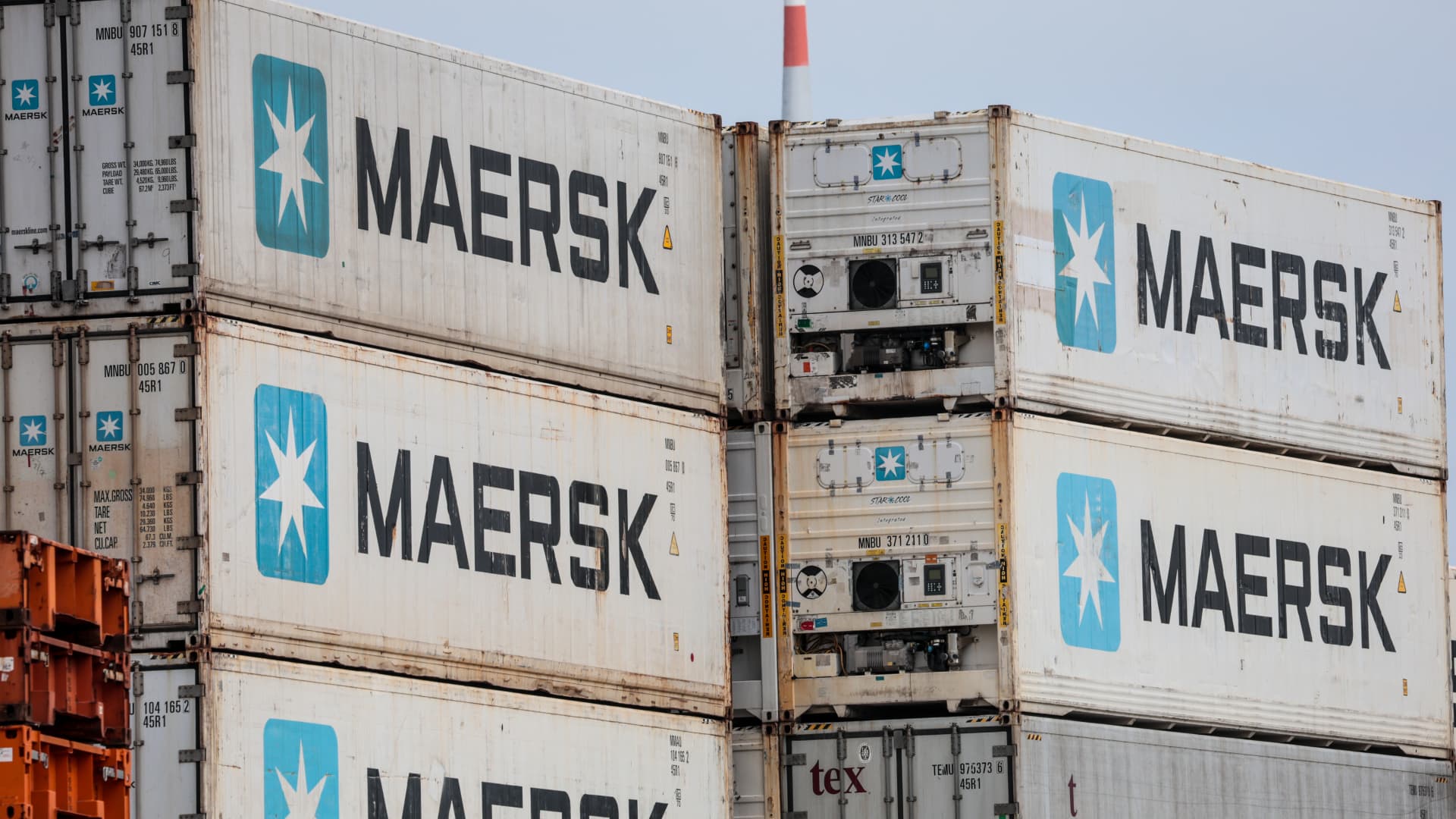
Methods of potential disruption range from anti-ship missiles and drones, both airborne and surface-based, to the more extreme measure of sea mines. While the intent to deploy mines carries inherent risks, including environmental disaster and threats to Iran-affiliated shipping, it remains a dangerous possibility. Tangible impacts are already surfacing, with a major integrated logistics provider temporarily suspending port calls to Israel’s largest container port, Haifa, despite the facility having sustained no damage from previous missile threats. This proactive measure underscores the seriousness with which shipping operators are assessing and reacting to the elevated risk environment, signaling a precedent for potential broader operational adjustments across the region.
Market Dynamics Amidst Geopolitical Jitters and Investor Sentiment
As of today, Brent crude trades at $90.38 per barrel, reflecting a significant 9.07% decline from yesterday’s close, while WTI crude follows suit at $82.59, down 9.41%. This immediate market reaction, pushing both benchmarks lower within a day range of $86.08-$98.97 for Brent and $78.97-$90.34 for WTI, extends a broader trend. Over the past 14 days, Brent crude has shed $20.91, or 18.5%, from its March 30th price of $112.78. This apparent disconnect – a falling market despite rising geopolitical risk – suggests that investors are currently weighing other factors more heavily, potentially global demand concerns or a wait-and-see approach regarding the actual impact of the regional tensions.
Our proprietary data on investor intent reveals a strong focus on future price trajectories, with common queries such as “what do you predict the price of oil per barrel will be by end of 2026?” dominating discussions. This highlights a market grappling with uncertainty and seeking clarity on long-term valuations. While the immediate bearish sentiment may prevail, the latent risk of a fifth of global oil supply being disrupted could quickly reverse this trend, proving how sensitive the market is to supply-side shocks. Investors are also keenly interested in OPEC+ current production quotas, underscoring the importance of supply management decisions in balancing the global market against escalating geopolitical instability. The current subdued market reaction to the Gulf risks could be a temporary calm before a storm, especially if any actual shipping incidents occur.
Forward-Looking Analysis and Upcoming Calendar Events
The next two weeks are packed with critical energy events that will undoubtedly influence crude valuations, particularly as Gulf shipping risks escalate. Investors should pay close attention to the OPEC+ Joint Ministerial Monitoring Committee (JMMC) meeting on April 18th, followed by the Full Ministerial meeting on April 19th. These gatherings come at a pivotal juncture: will the group maintain its current production quotas, or will the heightened Middle East risks prompt a strategic adjustment? Any unexpected decision, whether to increase output to assuage supply fears or reinforce cuts due to a revised demand outlook, will send significant ripples through the market.
Beyond OPEC+, the weekly API and EIA crude inventory reports, scheduled for April 21st and 22nd, and again on April 28th and 29th, will offer vital insights into U.S. supply dynamics. These reports will provide a crucial counterpoint to geopolitical developments, with unexpected builds or draws capable of amplifying or mitigating the market’s reaction to Gulf uncertainties. Furthermore, the Baker Hughes Rig Count on April 24th and May 1st will serve as a gauge of future U.S. production trends. For astute investors, closely monitoring the outcomes of these meetings and data releases is not merely advisable but essential for navigating the increasingly complex and volatile oil market landscape. The interplay between physical supply risks and fundamental market data will dictate price action in the near term.
Navigating Investment Strategy in a Volatile Environment
The confluence of rising geopolitical tensions and the strategic importance of the Strait of Hormuz demands a proactive and adaptable investment strategy for oil and gas portfolios. The limited availability of naval protection for commercial ships lacking direct affiliation to major powers exacerbates the risk, potentially leading to increased insurance premiums and higher shipping costs, which will ultimately translate to higher delivered prices for crude. While the Strait of Hormuz handles less than 4% of global container trade, its adjacent ports of Jebel Ali and Khor Fakkan are indispensable intermediary points for global shipping networks, highlighting a broader supply chain vulnerability beyond just oil.
Investors must consider the potential for sudden, sharp price spikes should any significant disruption occur in these critical waterways. Diversification within energy holdings, considering companies with less reliance on Gulf shipping lanes or those focused on domestic production, could offer some mitigation. Furthermore, a deep understanding of companies’ logistics resilience and their ability to adapt to increased shipping costs or delays will be crucial. The current market signals, with falling crude prices amidst rising geopolitical risks, present a complex picture that demands vigilance and a readiness to adjust strategies swiftly as events unfold. Maintaining a close watch on both geopolitical developments and fundamental market indicators will be key to capitalizing on opportunities and mitigating risks in this evolving environment.