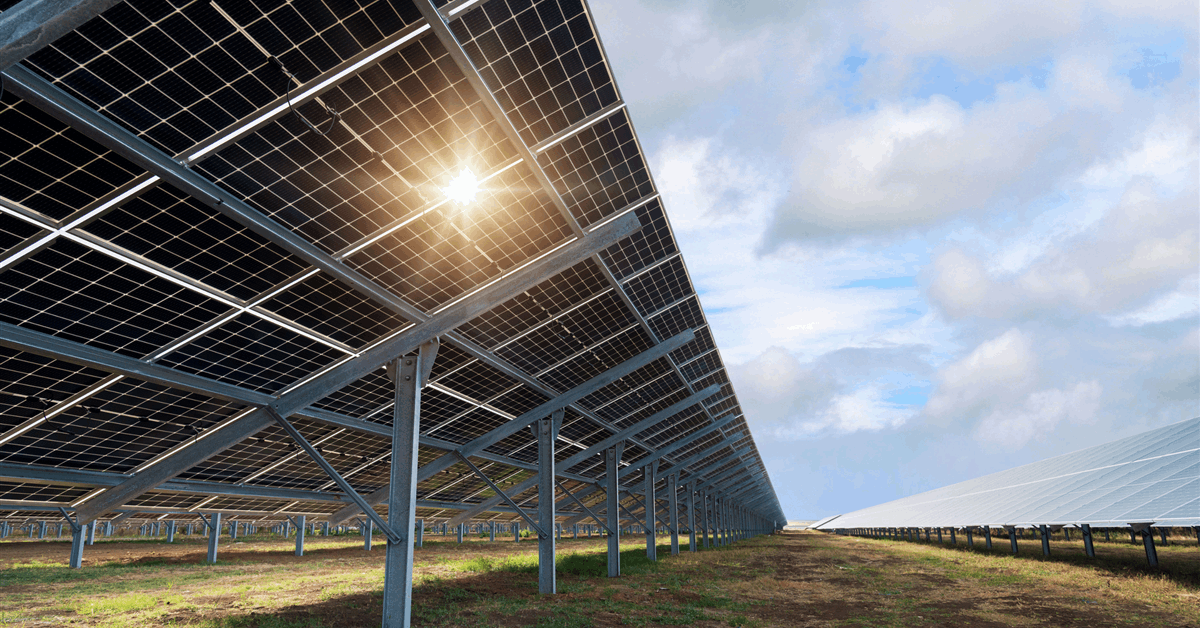
Norwegian energy giant Equinor is making deliberate strides in its energy transition strategy, evidenced by the recent commissioning of its 65-megawatt (MW) Ingerslev A solar plant in Jutland, Denmark. This facility, operated by its wholly owned subsidiary BeGreen, marks a significant milestone in the company’s ambition to cultivate a robust and profitable onshore renewables business across Europe and the Americas. For investors, this move signals a clear commitment to diversification and long-term value creation in an evolving global energy landscape, strategically balancing its traditional hydrocarbon strengths with burgeoning green energy opportunities.
Equinor’s Strategic Pivot: Building a Green Portfolio
The Ingerslev A solar plant represents more than just another asset; it is a tangible outcome of Equinor’s broader strategic vision. With an estimated annual production of 68 GWh, the plant features over 107,000 bifacial solar modules designed to maximize energy capture by utilizing sunlight from both sides. These panels are precisely angled southward and tilted to optimize year-round light absorption. This project is the first to come online since Equinor acquired BeGreen in 2023, showcasing the immediate operational leverage gained from integrating specialized local companies. Equinor now boasts approximately 1.2 GW of onshore renewable capacity either in production or under construction, demonstrating a systematic build-out of its green portfolio. The power generated from Ingerslev A will be sold on the western Danish power market (DK1) by Danske Commodities, Equinor’s Denmark-based trading arm, further integrating its value chain from generation to market.
The Investment Case for Diversification Amidst Oil Price Volatility
Equinor’s accelerated push into renewables comes at a pertinent time for the broader energy market. As of today, Brent crude is trading at $93.22 per barrel, marking an 8.8% retreat from the $102.22 seen just three weeks ago. This recent downdraft in crude prices underscores the inherent volatility that continues to characterize the hydrocarbon market, driven by geopolitical shifts, supply-demand dynamics, and macroeconomic indicators. In light of this market fluidity, it’s no surprise that a dominant theme among investors this week revolves around forecasting future crude prices, with many seeking a base-case Brent price forecast for the next quarter and the consensus 2026 Brent forecast. Equinor’s strategic diversification directly addresses the long-term implications of these forecasts, signaling a proactive shift away from absolute reliance on hydrocarbon price cycles. By expanding its renewables footprint, the company aims to build a more resilient and predictable revenue stream, appealing to investors seeking stability and growth in a world increasingly focused on sustainable energy solutions.
Accelerated Project Cycles and Synergistic Value Creation
A key takeaway from the Ingerslev A project is the speed of execution. The facility was completed within a year, highlighting the rapid project cycles typical of onshore renewable developments. This agility is a significant competitive advantage, enabling quicker deployment of capital and faster returns on investment. Equinor’s strategy of acquiring local companies like BeGreen, and integrating them with its existing trading capabilities through Danske Commodities, creates powerful synergies. This approach allows Equinor to leverage on-the-ground expertise for efficient project development while maximizing value creation through optimized power trading. This model of combining local operational excellence with global market access is proving to be a strong foundation for scaling Equinor’s onshore renewables and battery storage businesses, ensuring that each new asset not only contributes to generation capacity but also enhances overall portfolio value.
Forward Outlook: Navigating Macro Trends and Upcoming Catalysts
Looking ahead, the energy market is poised for several significant events over the next two weeks that will undoubtedly influence sentiment across the traditional hydrocarbon space. The crucial OPEC+ Joint Ministerial Monitoring Committee (JMMC) meeting on April 18th, followed by the full Ministerial meeting on April 20th, will be closely watched for any shifts in production policy that could impact global supply. Additionally, the regular API and EIA weekly inventory reports, scheduled for April 21st, 22nd, 28th, and 29th, will provide critical insights into U.S. crude and product balances. While these events will continue to sway short-term oil price movements, Equinor’s deliberate expansion into renewables provides a strategic hedge against such volatility. Its growing green portfolio positions the company to capitalize on the secular growth trend in clean energy, offering a compelling investment narrative regardless of the immediate outcomes from OPEC+ discussions or inventory data. This dual-pronged strategy—optimizing existing hydrocarbon assets while aggressively building out a renewables platform—is designed to ensure Equinor remains a leading energy provider in a rapidly transforming global economy.


