Youth Campaign to ‘Villainize’ Big Oil: Reputational Risk and Emerging Liabilities
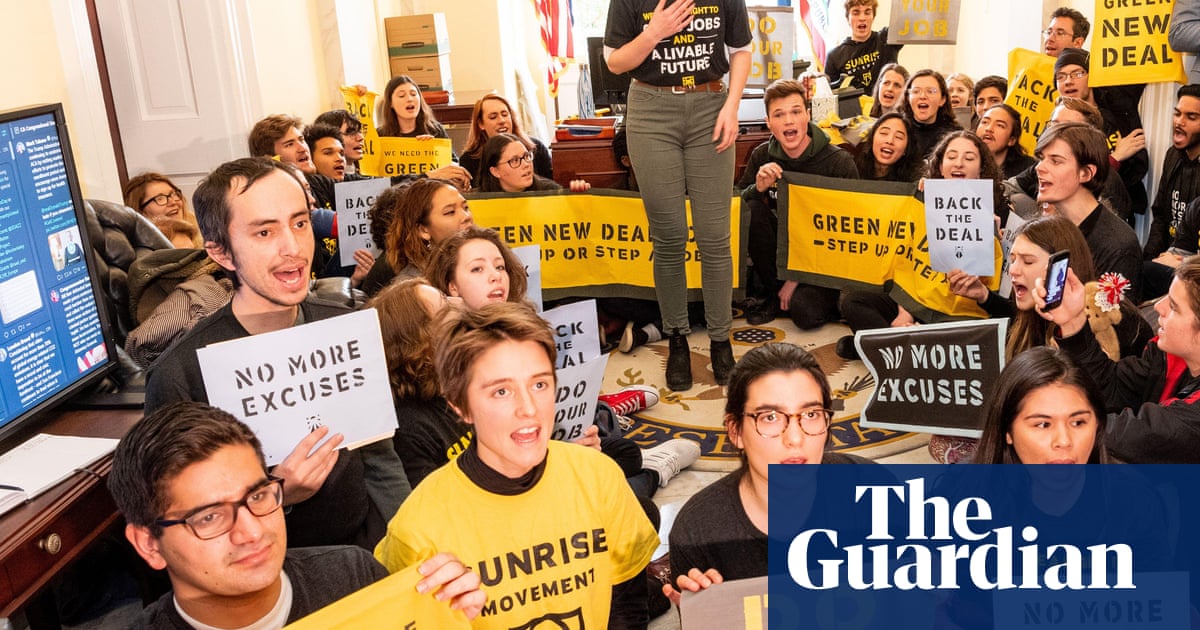
The energy sector routinely navigates a complex web of geopolitical tensions, supply-demand imbalances, and technological shifts. However, a less quantifiable but equally potent force is rapidly gaining traction: the concerted effort by youth movements to fundamentally reshape public perception and financial accountability for major oil and gas companies. A new campaign, spearheaded by the Sunrise Movement, is aiming to “villainize big oil,” pushing for the industry to bear the financial brunt of climate action rather than burdening ordinary citizens. This isn’t merely a public relations challenge; it represents a tangible and growing reputational risk that carries significant financial implications for investors, demanding a re-evaluation of long-term sector valuations and strategic positioning.
The Evolving Threat Landscape: Populism Meets Climate Action
Seven years after making headlines with direct actions targeting political leaders, the Sunrise Movement is escalating its strategy. Their new initiative, “End the Oligarchy, Save Our Futures,” targets the 2026 midterm elections by rallying young people nationwide around the “polluters pay” principle. This campaign seeks to reframe climate action not as a divisive “culture war” issue, but as a matter of economic justice, tapping into populist outrage over corporate power and wealth disparity. The focus is on passing “climate superfund” bills at the state level, which would mandate fossil fuel companies to pay for climate damages. Vermont and New York have already enacted such legislation, with California, Maryland, Massachusetts, New Jersey, and Oregon actively considering similar measures. The ambition of a “50-state campaign” signals a broad, sustained effort to establish direct financial liabilities for the industry. For investors, this translates into potential new regulatory burdens, increased litigation exposure, and direct costs that could impact future earnings and balance sheets, particularly for companies with significant historical emissions footprints.
Market Volatility and Reputational Headwinds
Against the backdrop of intensifying political pressure, the oil and gas market itself is experiencing significant volatility. As of today, April 18, 2026, Brent Crude trades at $90.38 per barrel, a notable decline of 9.07% within the day, having ranged from $86.08 to $98.97. Similarly, WTI Crude stands at $82.59, down 9.41%, with its daily range spanning $78.97 to $90.34. This sharp daily correction follows a broader downward trend, with Brent having fallen by $20.91, or 18.5%, from $112.78 on March 30. Gasoline prices have also seen a significant dip today, trading at $2.93, down 5.18%. While lower crude prices might temporarily ease public perception of “windfall profits,” the narrative of historical accountability remains potent. In an environment where consumers might be feeling economic pressure, even with falling gasoline prices, the campaign’s message that “polluters should foot the bill” for climate action could resonate more deeply. This dynamic creates a challenging environment where traditional market fluctuations are intertwined with growing demands for financial restitution, potentially amplifying reputational damage and legislative impetus during periods of perceived industry vulnerability.
Navigating Upcoming Catalysts: Beyond the Price Ticker
The immediate investment horizon for the oil and gas sector is traditionally dominated by critical events such as OPEC+ meetings, inventory reports, and rig counts. This weekend, investors will be closely monitoring the OPEC+ Joint Ministerial Monitoring Committee (JMMC) meeting on April 18, followed by the full Ministerial meeting on April 19, which could dictate near-term supply strategies. Later next week, the API Weekly Crude Inventory (April 21) and EIA Weekly Petroleum Status Report (April 22) will provide crucial insights into demand and storage levels, with the Baker Hughes Rig Count on April 24 offering a glimpse into drilling activity. However, forward-looking analysis must now expand beyond these conventional market drivers to include emerging political and social catalysts. The Sunrise Movement’s campaign officially kicks off with a virtual call “on Wednesday night,” featuring prominent political and media figures, streamed at nationwide watch parties. While not a direct market mover like an OPEC+ decision, this event marks the formal beginning of a long-term, organized effort to shift public opinion and legislative priorities. For investors, understanding these non-traditional catalysts and their potential to drive future regulatory change is as crucial as tracking crude inventories, given the long lead times and profound impacts of policy shifts.
Investor Sentiment and Strategic Adaptation
Our proprietary data on investor intent highlights a prevailing focus on traditional financial metrics and market forecasts. Investors are actively asking, “What do you predict the price of oil per barrel will be by end of 2026?” and seeking performance insights on specific companies like Repsol for the current month. While these questions are fundamental to short-term and medium-term portfolio decisions, the “villainize big oil” campaign introduces a new layer of risk that directly impacts long-term valuation and company solvency. The “polluters pay” framework directly threatens the “P” in P/E ratios by potentially introducing significant new liabilities and reducing future earnings through mandated payments for climate damage. This necessitates a strategic adaptation in how companies and investors approach risk assessment. Companies that demonstrate proactive engagement with climate solutions, robust ESG frameworks, and transparent reporting on emissions and climate-related financial risks are likely to be better positioned. Investors should scrutinize corporate strategies for managing legislative exposure, potential litigation, and the evolving public narrative. The success of this populist-driven campaign could mean higher compliance costs, direct “climate superfund” payments, and increased legal challenges, making strong governance and a credible transition strategy non-negotiable for preserving long-term shareholder value in the oil and gas sector.