The global oil market finds itself at a critical juncture, shadowed by escalating geopolitical tensions surrounding Iran’s nuclear program. Recent pronouncements from Washington regarding potential military action against Tehran’s most fortified nuclear facilities have injected a potent dose of uncertainty into an already volatile energy landscape. While the rhetoric suggests a direct military confrontation remains a serious consideration, the market’s immediate reaction presents a complex picture, demanding astute analysis from investors navigating these high-stakes dynamics. For energy investors, understanding the interplay between this geopolitical flashpoint, fundamental market drivers, and upcoming policy decisions is paramount to positioning portfolios effectively.
The Direct Threat to Iranian Nuclear Facilities and Supply Stability
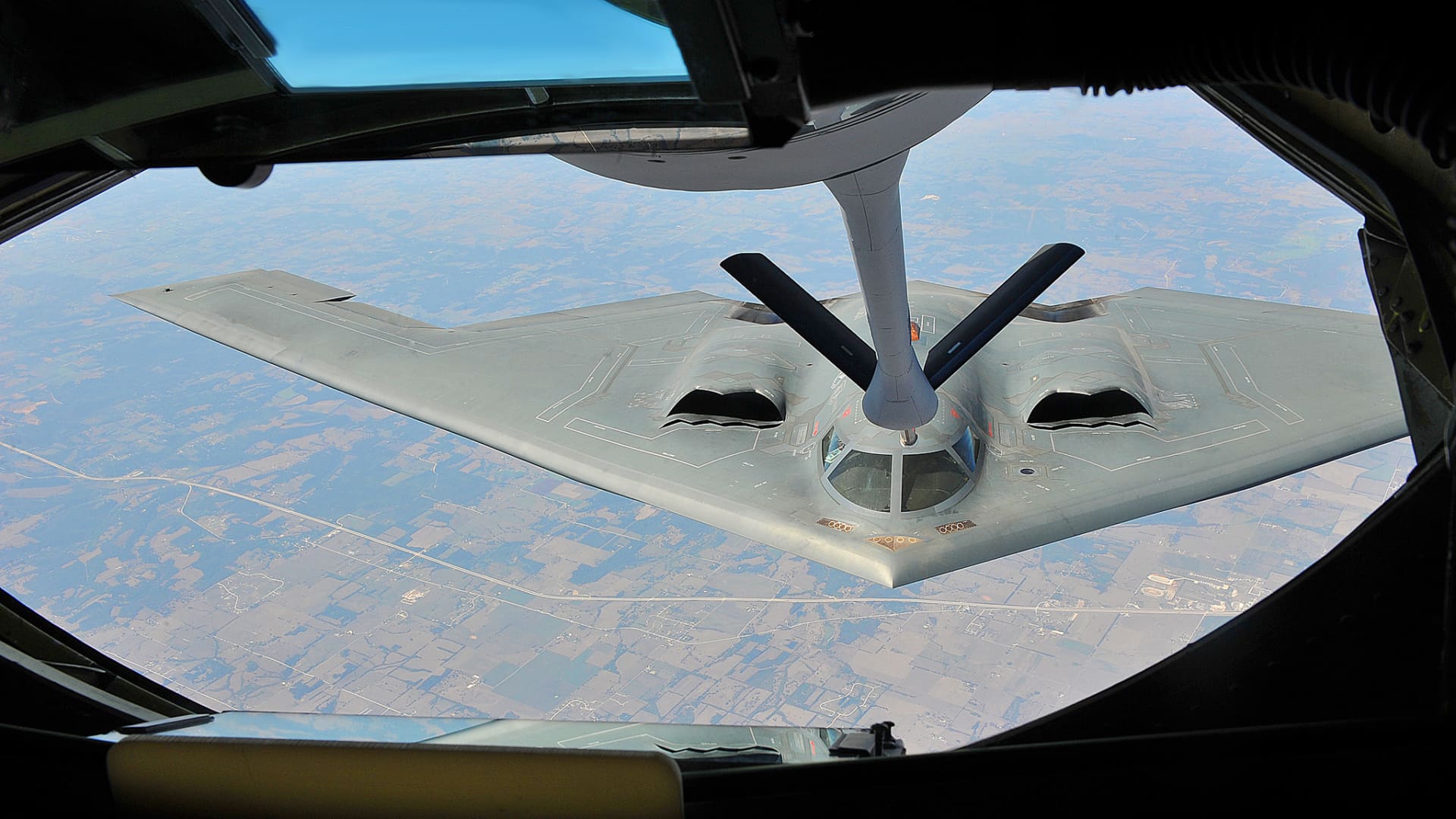
The prospect of a direct military strike on Iran’s nuclear infrastructure, particularly the deeply buried Fordo plant, represents a significant, if still theoretical, disruption to regional stability and global energy supply. US officials have signaled a readiness to consider options, including the use of advanced ordnance like the GBU-57 Massive Ordnance Penetrator, capable of targeting hardened underground facilities. Such an operation, described by military experts as a complex, multi-stage endeavor, would undoubtedly trigger a severe response from Tehran, with implications for shipping lanes in the Strait of Hormuz, a critical chokepoint for a substantial portion of the world’s seaborne oil trade.
While Iran maintains its nuclear program is for peaceful energy purposes, the international community’s concerns about weaponization have fueled this long-standing impasse. For oil and gas investors, the key takeaway is the potential for an immediate and drastic curtailment of Iranian crude exports, coupled with broader regional instability that could impact neighboring producers. Even without direct strikes, the heightened state of alert and retaliatory threats create a risk premium that can swiftly alter the supply-demand balance and investor sentiment in the energy sector.
Market Reaction: A Disconnect from Geopolitical Alarms?
Despite the severe geopolitical rhetoric, the immediate market reaction reveals a nuanced picture. As of today, Brent crude trades at $90.38 per barrel, representing a significant 9.07% decline within the day, with its price range spanning $86.08 to $98.97. Similarly, WTI crude is down 9.41% to $82.59 per barrel, having traded between $78.97 and $90.34. Gasoline prices have also followed suit, dropping 5.18% to $2.93. This marks a notable shift from previous periods where escalating tensions typically sent crude prices surging.
This recent downturn isn’t an isolated event. Our proprietary data indicates a pronounced bearish trend over the past two weeks, with Brent crude plummeting from $112.78 on March 30th to $91.87 on April 17th, an 18.5% erosion of value. This suggests that while geopolitical risk remains a potent factor, other market forces are currently exerting greater downward pressure. Investors appear to be weighing concerns about global demand slowdowns, ongoing inventory builds, and potentially robust non-OPEC supply growth against the backdrop of Middle East volatility. This disconnect between heightened geopolitical risk and falling prices underscores the complexity of current market dynamics, forcing investors to look beyond single-factor analyses.
Navigating the Weeks Ahead: Key Catalysts for Oil Price Volatility
The coming weeks are packed with critical events that will further shape oil market trajectories, particularly against the backdrop of Iranian tensions. The most immediate and significant are the OPEC+ Joint Ministerial Monitoring Committee (JMMC) meeting on April 18th, followed by the full Ministerial OPEC+ Meeting on April 19th. Investors will be scrutinizing these gatherings for any signals regarding production quotas. Will the alliance maintain current output cuts to support prices amidst falling demand concerns, or could geopolitical instability prompt a strategic reassessment of supply levels?
Beyond OPEC+, the market will process a steady stream of fundamental data. The API Weekly Crude Inventory reports on April 21st and 28th, alongside the EIA Weekly Petroleum Status Reports on April 22nd and 29th, will offer crucial insights into US supply and demand balances. Furthermore, the Baker Hughes Rig Count on April 24th and May 1st will provide an updated pulse on North American production activity. Any unexpected inventory builds or reductions in drilling activity could either exacerbate or alleviate the current market pressures, adding another layer of complexity to price forecasting in an already unpredictable environment.
Investor Concerns: Pricing in Uncertainty and Seeking Clarity
In this turbulent environment, our proprietary reader intent data reveals clear investor concerns. A prominent question is, “what do you predict the price of oil per barrel will be by end of 2026?” This reflects the deep uncertainty surrounding future market direction, particularly given the confluence of geopolitical risks and evolving supply-demand fundamentals. While precise long-term forecasts are inherently challenging amidst such volatility, investors are keenly seeking frameworks to understand potential scenarios.
Another frequently asked question, “What are OPEC+ current production quotas?”, directly highlights the critical role of the upcoming ministerial meetings. The group’s decisions will be instrumental in dictating global supply levels and, consequently, price stability. Investors are also showing interest in the performance of individual energy companies, as evidenced by questions about specific players like Repsol. This indicates a focus on identifying resilient assets and potential beneficiaries or victims of market shifts, emphasizing the need for robust fundamental analysis of company-specific exposures to both geopolitical risk and market fundamentals. For investors, the current environment demands vigilance, diversification, and a deep understanding of both macro and micro drivers.