The Middle East conflict has once again surged to the forefront of global energy markets, injecting a fresh wave of volatility and uncertainty into crude pricing. Israel’s recent strikes on Iranian military and nuclear infrastructure, followed by Tehran’s retaliatory ballistic missile attacks, have ignited fears of a broader regional conflagration. Investors are grappling with the potential for significant supply disruptions, the specter of U.S. involvement, and the increasingly complex calculus of geopolitical risk. This analysis will delve into the immediate market reactions, highlight critical upcoming catalysts, and address key investor concerns, leveraging our proprietary market data and forward-looking insights to navigate this fraught environment.
Geopolitical Tensions Drive Extreme Market Volatility
The escalating tit-for-tat between Israel and Iran has sent jitters through the oil complex, manifesting in erratic price swings that demand constant vigilance from investors. As of this morning, international benchmark Brent crude trades around $90.38 per barrel, marking a sharp decline of over 9% within the last trading session. Similarly, U.S. West Texas Intermediate (WTI) crude has dropped by more than 9.4%, settling at $82.59 per barrel. These figures, while reflecting a recent downturn, mask the extreme intra-day volatility, with Brent navigating a wide range between $86.08 and $98.97, and WTI oscillating between $78.97 and $90.34. This broad daily swing underscores the acute uncertainty gripping the market, where news of missile exchanges or diplomatic rhetoric can trigger immediate and significant price movements.
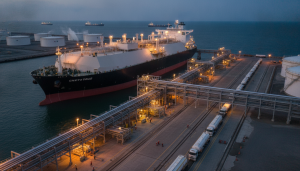
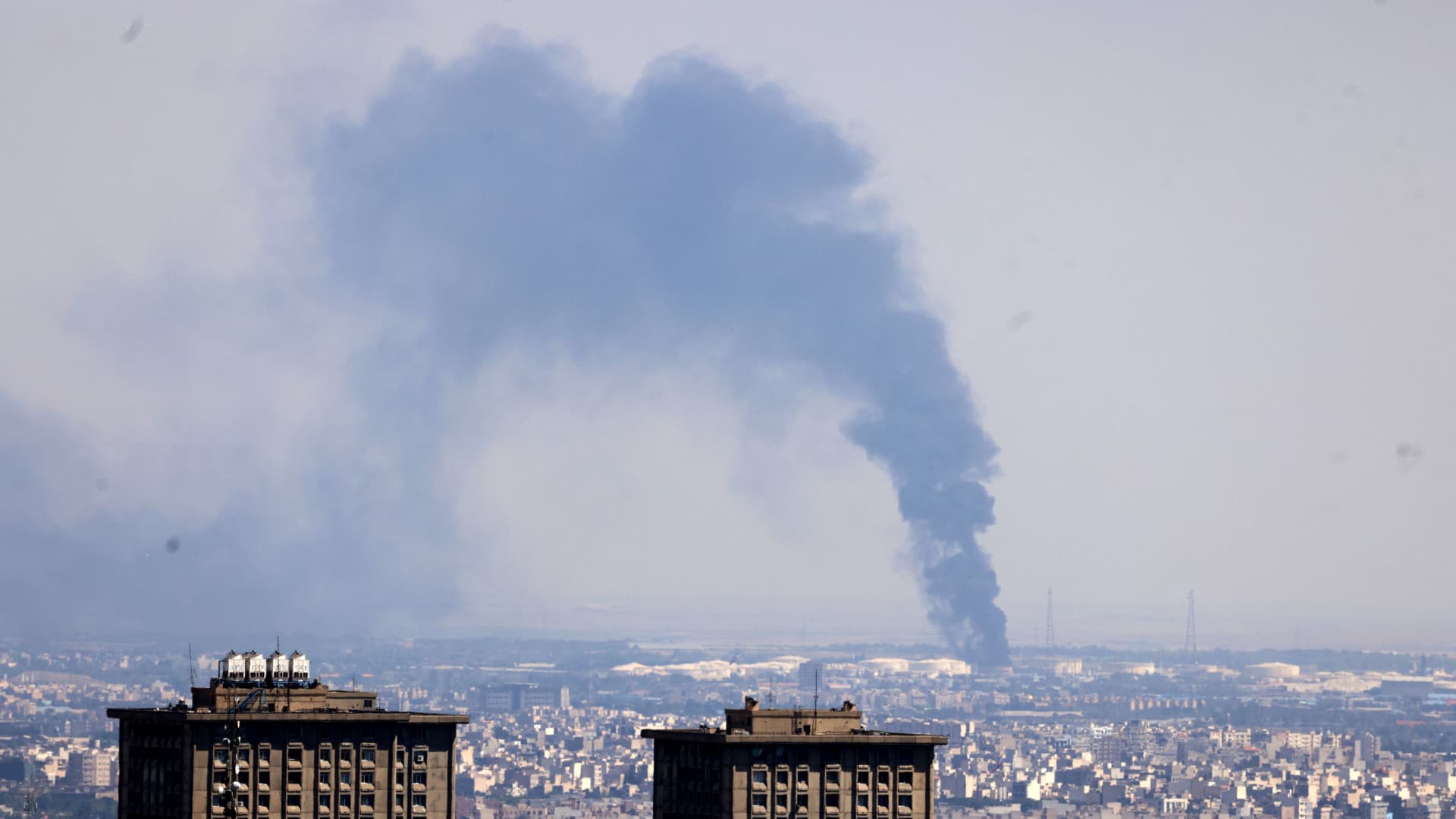
Interestingly, this recent surge in geopolitical risk comes against a backdrop of a cooling market trend. Our proprietary data indicates that Brent crude has shed over 18% in the last fortnight alone, falling from a high of $112.78 on March 30th to $91.87 just yesterday, before today’s further declines. This underlying bearish momentum, possibly fueled by concerns over global demand growth or ample supply from non-OPEC+ producers, suggests that while the conflict adds a significant risk premium, it is interacting with a market that was already showing signs of weakness. Direct attacks on energy infrastructure, such as the damage sustained by Israel’s Bazan oil refinery complex or the partial suspension of production at Iran’s South Pars gas field following an Israeli airstrike, represent tangible threats to physical supply. Furthermore, the looming possibility of Iran blocking the highly strategic Strait of Hormuz, a critical chokepoint for global oil shipments, remains a worst-case scenario that energy markets are actively weighing, adding an unpredictable element to current price formation.
Upcoming Catalysts: OPEC+ and Inventory Data in Focus
Against this backdrop of heightened geopolitical risk, several key events on the near-term calendar will provide crucial signals for oil market direction. Investors should closely monitor the upcoming OPEC+ Joint Ministerial Monitoring Committee (JMMC) meeting on April 18th, immediately followed by the Full Ministerial meeting on April 19th. These gatherings are particularly significant as the cartel will be forced to assess the impact of the escalating conflict on global supply stability and decide on production quotas. Our reader intent data reveals a strong interest in “OPEC+ current production quotas,” indicating that any adjustments or reaffirmations of existing policies will be a primary driver for market sentiment. Will the group maintain current cuts to support prices amidst underlying demand concerns, or will they consider a modest increase to calm markets if supply disruptions materialize? The outcome will directly influence the short-to-medium term supply outlook.
Beyond OPEC+, weekly inventory reports from the American Petroleum Institute (API) and the U.S. Energy Information Administration (EIA) will offer critical insights into the state of U.S. supply and demand. The API Weekly Crude Inventory report on April 21st and 28th, followed by the EIA Weekly Petroleum Status Report on April 22nd and 29th, will be scrutinized for changes in crude, gasoline, and distillate stockpiles. Given the recent drop in gasoline prices, which currently trade around $2.93 per gallon, down over 5% in a single session, these reports will be vital for understanding consumer demand resilience and the health of the refining sector. Any unexpected builds or drawdowns could exacerbate market volatility, especially when coupled with the geopolitical uncertainty. Additionally, the Baker Hughes Rig Count on April 24th and May 1st will provide a glimpse into future production trends, though its impact is typically more long-term than immediate.
Navigating Investor Concerns: Price Forecasts and Risk Premiums
The current environment has undoubtedly sparked numerous questions among our readership, with a prominent query being “what do you predict the price of oil per barrel will be by end of 2026?” This question underscores the deep uncertainty and the challenge of long-term forecasting when the situation on the ground remains so fluid. Predicting oil prices in such a high-stakes, geopolitical “roulette” environment is inherently difficult. While the conflict clearly introduces a significant geopolitical risk premium to crude, its ultimate impact on prices depends on the duration and intensity of the escalation, as well as the underlying fundamentals of supply and demand.
Major oil company chief executives, including those from TotalEnergies, Shell, and EnQuest, have voiced concerns that further attacks on critical energy infrastructure could have severe consequences for global supply and prices. Investors must therefore consider the potential for continued supply disruptions as a baseline risk. However, it’s also crucial to remember that a rapid de-escalation, or persistent softness in global demand, could see this risk premium erode quickly. The market’s recent 18% decline in Brent crude over the past two weeks, preceding the latest acute conflict escalation, suggests that underlying bearish pressures related to supply growth and demand concerns are still present. This creates a complex dynamic: while immediate conflict spikes prices, sustained high prices might be challenged if the geopolitical risk subsides or if underlying market fundamentals reassert themselves, potentially leading to a “reset lower” in the long run, as some analysts suggest.