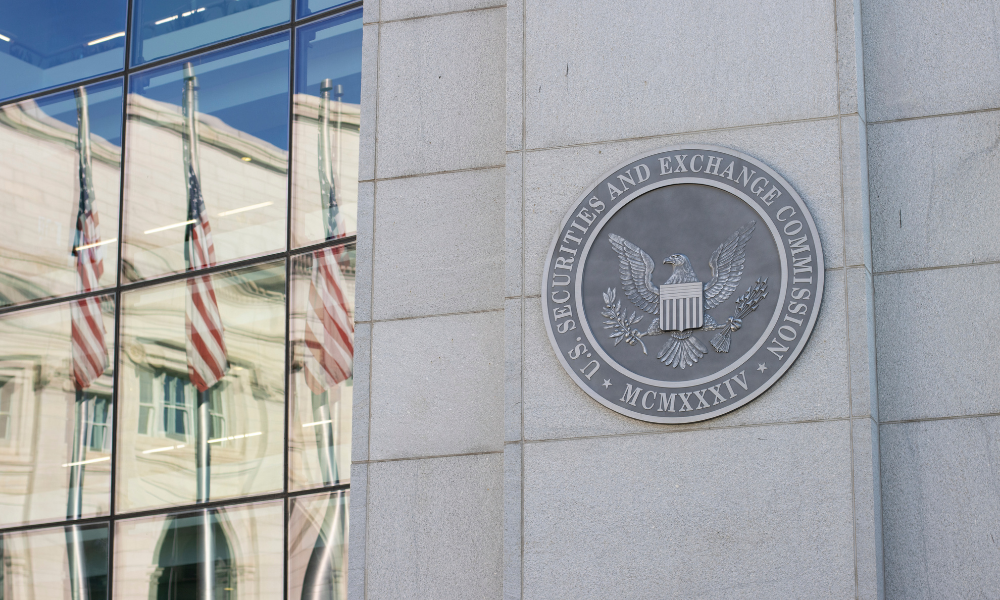
The U.S. Securities and Exchange Commission has delivered a significant policy pivot, formally withdrawing proposed rules that would have mandated enhanced ESG disclosures for investment funds and reformed the shareholder proposal process. This move marks a notable departure from a regulatory agenda that previously sought to intensify climate-related oversight and standardize ESG reporting across the investment landscape. For oil and gas investors, this development signals a potential easing of compliance burdens and a shift in the broader regulatory winds, offering a clearer runway for traditional energy operations and capital deployment.
Regulatory Relief for the Energy Sector
The SEC’s decision to abandon the “Enhanced Disclosures by Certain Investment Advisers and Investment Companies About Environmental, Social, and Governance Investment Practices” rule is a direct benefit to the oil and gas sector. Proposed in May 2022, this rule would have required detailed ESG strategy disclosures, including mandated greenhouse gas emissions metrics like carbon footprint and intensity, all presented in a standardized, tabular format. Its withdrawal eliminates a significant potential compliance cost and reporting burden for energy companies and funds with O&G holdings. Companies will no longer face the immediate pressure to develop new, costly systems for granular ESG data collection and disclosure, nor the heightened scrutiny for “greenwashing” that the rule was designed to address. This regulatory rollback allows O&G firms to focus more capital and operational resources on core business objectives rather than extensive new reporting frameworks, potentially improving operational efficiency and profitability margins in the near term.
Market Volatility Amidst Policy Shifts
While the SEC’s deregulatory stance offers a long-term tailwind for the oil and gas sector, current market dynamics underscore the complex interplay of policy, supply, and demand. As of today, Brent crude trades at $90.38 per barrel, marking a significant drop of 9.07% within the day, with prices ranging from $86.08 to $98.97. Similarly, WTI crude has fallen to $82.59, down 9.41%, trading between $78.97 and $90.34. This intraday volatility follows a broader trend; Brent has seen an 18.5% decline over the past 14 days, falling from $112.78 on March 30 to $91.87 on April 17. Gasoline prices also reflect this bearish sentiment, currently at $2.93, a 5.18% decrease, within a day range of $2.82 to $3.1. This immediate market softness, despite positive regulatory news for energy producers, suggests that macro-economic concerns, global supply assessments, and demand outlooks are currently exerting a stronger gravitational pull on crude prices than specific U.S. regulatory shifts. Investors must weigh the long-term benefits of reduced compliance against the immediate pressures of a volatile commodity market.
Forward Outlook: Key Events Shaping Supply and Demand
Looking ahead, the next two weeks are packed with critical events that will heavily influence the trajectory of oil prices and investment sentiment, directly addressing investor inquiries about market fundamentals. Many investors are currently asking about OPEC+ production quotas, and these questions will be answered imminently. The OPEC+ Joint Ministerial Monitoring Committee (JMMC) meets on April 18, followed by the Full Ministerial Meeting on April 19. These gatherings are pivotal, as any adjustments to current production quotas or reaffirmations of existing policies will send clear signals regarding global crude supply for the coming months. Beyond OPEC+, weekly data points will provide crucial insights into U.S. supply-demand balances: the API Weekly Crude Inventory reports on April 21 and April 28, followed by the more comprehensive EIA Weekly Petroleum Status Reports on April 22 and April 29. These reports will detail U.S. crude stockpiles, refining activity, and product demand, offering a clearer picture of the domestic market. Finally, the Baker Hughes Rig Count on April 24 and May 1 will indicate drilling activity and future production potential in North America. These scheduled events will collectively dictate market sentiment and provide the quantitative basis for price movements, underscoring the importance of fundamental analysis alongside regulatory changes.
Investor Sentiment and Long-Term Capital Allocation
The SEC’s withdrawal of ESG disclosure rules also impacts the landscape for shareholder engagement, as it effectively abandons reforms that would have made it easier for activist investors to submit proposals to corporate boards. The existing, more stringent Trump-era thresholds for submitting shareholder proposals remain in place. This move significantly reduces the potential for increased pressure from ESG-focused activist shareholders within the oil and gas sector. For investors asking about the long-term price of oil or the performance of specific companies like Repsol by the end of 2026, this regulatory environment suggests a potentially more stable operational focus. With less capital diverted to managing complex ESG reporting or fending off activist proposals, O&G companies may find it easier to allocate capital towards core exploration, production, and infrastructure projects. This could translate into more efficient growth and potentially better returns for shareholders. While global energy transition trends persist, the immediate effect of this SEC pivot is to ease a layer of external pressure, allowing the sector to focus more squarely on market fundamentals and energy security, which could bolster long-term investor confidence and attract new capital to the sector.


