Iran Strikes Fuel Oil Price Volatility
Recent Israeli military actions targeting key Iranian energy installations have injected a fresh wave of uncertainty into global energy markets. While immediate crude oil price reactions were tempered by the weekend market closure, investors are now bracing for potential volatility as trading resumes in Asia. These strikes underscore the escalating geopolitical risks within a region responsible for half of the world’s proven oil reserves, demanding close attention from market participants.
What Was Targeted?
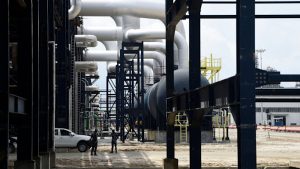
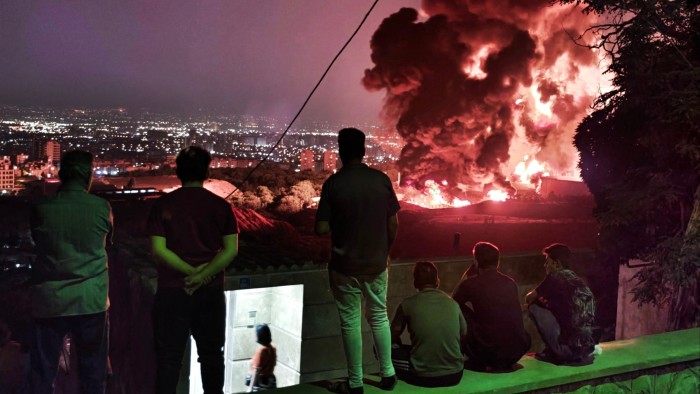
Saturday’s operations focused on critical components of Iran’s energy matrix. Specifically, two significant gas processing facilities located on Iran’s southern coast bore the brunt of the attacks. These facilities are instrumental in handling natural gas extracted from the colossal South Pars field, which holds the distinction of being the world’s largest natural gas reservoir. Spanning nearly 4,000 square miles beneath the Persian Gulf, South Pars seamlessly transitions into Qatar’s North Field. Initial reports indicated a temporary halt in production at one of the offshore platforms, though officials quickly reported it as ultimately unaffected. The targeted processing plants convert raw gas into methane for domestic consumption, alongside liquefied petroleum gas (LPG) and ethane, vital feedstocks for Iran’s burgeoning petrochemical sector. Beyond gas infrastructure, the strikes also hit the Shahran fuel and gasoline depot in northern Tehran and storage tanks situated in Shahr Rey, south of the capital.
Iranian Response and Damage Assessment
Tehran’s official narrative, disseminated via the Shana news agency, asserted that the situations at both the South Pars field and the urban oil depots in Tehran were “fully under control.” Critically, authorities claimed that fuel levels within the Tehran facilities were “low” at the time of the incidents, potentially mitigating broader impact. A spokesperson for the Tehran fire department further clarified that fires observed in Shahran stemmed from an unspecified oil derivative rather than a gasoline explosion. Furthermore, major industrial players, including the Shahid Tondguyan petrochemical plant and the Tabriz oil refinery, publicly denied any direct attacks on their facilities, suggesting a more contained scope than initial fears might have indicated. This official stance aims to project stability and minimize panic regarding domestic supply disruptions.
Strategic Intent and Market Implications
The nature of these strikes suggests a calculated strategy by Israel: to disrupt Iran’s internal gas and fuel supply chains rather than targeting its vast oil production or export capabilities. Such a direct assault on export infrastructure would inevitably trigger a far more dramatic and immediate market shock. Iran’s largest refining complex, located in Abadan near the Iraqi border, capable of processing 500,000 barrels of crude oil daily, remained untouched, reinforcing this interpretation. While Iran’s crude oil exports have, to date, seen no direct impact, the broadening of the conflict to include energy infrastructure is a significant red flag for global investors. This escalation raises serious concerns about potential Iranian retaliation, which could take several forms.
Geopolitical Risks and Energy Market Volatility
The most pressing investor concern revolves around how Iran might respond. Scenarios include targeting energy assets in other Gulf nations, notably key producers like Saudi Arabia and the United Arab Emirates. Even more acutely, there is the ever-present threat of Iran impeding maritime transit through the Strait of Hormuz. This narrow, strategic waterway, separating Iran from the Arabian Peninsula, serves as a crucial choke point through which an astonishing one-third of the world’s seaborne oil supply navigates. Any disruption here would send immediate and severe shockwaves across global crude markets, leading to sharp price spikes and significant supply uncertainty. The vulnerability of Israel’s own energy infrastructure also presents a potential retaliatory target, further complicating the regional risk matrix.
Investor Outlook and Forward Strategy
As global energy markets reopen, particularly with Asian trading sessions commencing, investors must factor in this heightened geopolitical risk premium. While the immediate physical impact on global oil supply appears limited, the psychological impact and potential for further escalation are substantial. The calculated nature of the Israeli strikes, aiming for domestic disruption rather than export cessation, might initially temper an extreme price surge. However, the risk of miscalculation or a more aggressive Iranian response remains a dominant theme. Market participants should closely monitor official statements, shipping movements through the Strait of Hormuz, and any further military actions in the region. Navigating these volatile waters will require astute risk assessment and a clear understanding of the interconnectedness of geopolitics and energy supply dynamics. The coming days will be critical in shaping the market’s response to these latest developments in the Middle East.