The global oil market, recently characterized by pervasive bearish sentiment, now faces a starkly different reality. Escalating tensions in the Middle East, particularly the heightened risk of direct conflict between Israel and Iran, have rapidly shifted the narrative. What was once considered a remote possibility — crude prices breaching $100 a barrel — is now a tangible threat, with significant implications for energy investors. This analysis dives into the current market dynamics, the critical geopolitical chokepoints, and the upcoming events that will dictate oil’s trajectory, moving beyond mere news recaps to provide actionable insights.
The Geopolitical Risk Premium: Already Baked In, or Just Beginning?
As of today, Brent crude trades at $95.62, reflecting a 0.88% gain within a daily range of $91 to $96.89. Similarly, WTI crude stands at $92.06, up 0.85%, fluctuating between $86.96 and $93.3. These figures represent a substantial elevation from the near-$70 levels seen when initial warnings of a potential Israeli-Iranian conflict first emerged. The market has clearly begun to price in a significant geopolitical risk premium, a sentiment that feels far more immediate than a mere month ago. While a recent 14-day trend shows Brent pulling back from a high of $102.22 on March 25th to $93.22 on April 14th, the current rebound above $95 indicates persistent underlying tension. Investors are actively seeking clarity on a base-case Brent price forecast for the next quarter, a challenge compounded by the fluid geopolitical landscape. The market’s quick reaction to any hint of escalation, such as a prior 5% overnight spike on fears of military action, underscores its extreme sensitivity. While some analysts previously suggested a 7% probability of a worst-case scenario leading to an exponential price reaction, the current price levels indicate that probability is now perceived as significantly higher, already pushing crude towards the upper end of recent trading ranges.
Critical Chokepoints and Regional Supply Vulnerabilities
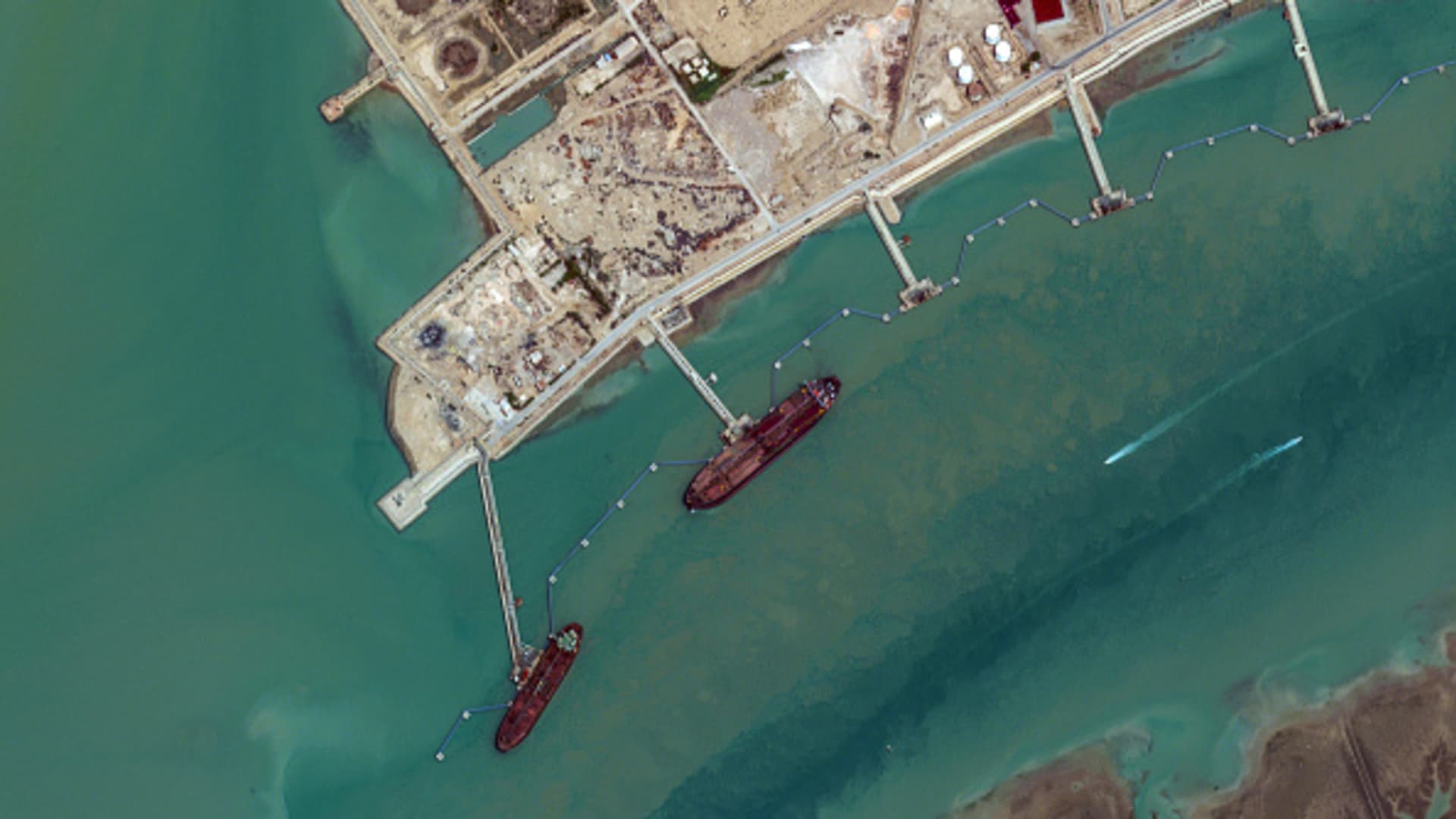
At the heart of the market’s concern lies the Strait of Hormuz, a narrow maritime passage through which an astounding 20% of the world’s total oil consumption transits daily. Any disruption to this critical chokepoint would have immediate and severe consequences for global supply. Recent warnings issued by the British Navy to vessels in the region, citing “increased tensions within the region which could lead to an escalation of military activity,” serve as a stark reminder of this vulnerability. Beyond a direct blockade, a broader Middle East conflagration could trigger retaliatory actions from other major oil-producing nations in the vicinity. Analysts have highlighted the potential for a supply reduction extending beyond a 2.1 million barrels per day (mbd) cut in Iranian oil exports, a significant figure given Iran’s status as OPEC’s third-largest crude producer. The interconnectedness of regional oil infrastructure means that even a localized conflict could send ripples across the entire supply chain, making the prospect of $100+ oil a very real scenario if the situation deteriorates.
Forward Trajectory: Diplomacy, Decisions, and Demand
The immediate future holds several pivotal events that will shape oil’s trajectory. A critical near-term focus is the upcoming round of U.S.-Iran nuclear negotiations, with the U.S. Middle East envoy set to meet Iran’s Foreign Minister in Oman this Sunday. The outcome of these talks could either alleviate or intensify current anxieties. Simultaneously, the oil market will closely monitor the OPEC+ Joint Ministerial Monitoring Committee (JMMC) meeting on April 18th, followed by the Full Ministerial Meeting on April 20th. These gatherings are crucial for understanding how the world’s leading producers plan to navigate the heightened geopolitical risk and potential supply disruptions. Will they maintain current production policies, or will calls for adjustments emerge to stabilize a volatile market? Furthermore, regular data releases such as the API Weekly Crude Inventory on April 21st and 28th, and the EIA Weekly Petroleum Status Report on April 22nd and 29th, will provide insights into demand resilience and inventory levels, which are critical against a backdrop of potential supply shocks. Investors are increasingly asking about the consensus 2026 Brent forecast, and it is clear that diplomatic breakthroughs or breakdowns, coupled with OPEC+ decisions, will be the primary determinants in redefining that outlook.
Navigating the $100+ Horizon for Energy Investors
The confluence of elevated geopolitical risk, critical supply vulnerabilities, and uncertain diplomatic pathways creates a highly volatile environment for oil prices. With Brent already trading near $95, the prospect of an Israeli attack on Iran, or a broader regional conflict, could indeed send crude prices soaring past $100 a barrel, potentially with an exponential rather than linear price reaction. The withdrawal of some U.S. personnel from key Middle Eastern embassies and bases, while potentially a pressure tactic, also signals a heightened state of alert. For energy investors, vigilance is paramount. Monitoring the outcomes of upcoming diplomatic engagements, tracking real-time supply chain security updates, and anticipating OPEC+’s strategic responses will be crucial for navigating this complex market. The current environment demands a dynamic investment approach, prioritizing flexibility and robust risk management strategies as the market grapples with the potential for significant and rapid price movements.