Amazon’s Nuclear Power Play: A New Energy Paradigm and Potential Headwinds for Hydrocarbons
The global energy landscape is undergoing a profound transformation, and a recent landmark agreement between tech behemoth Amazon and power producer Talen Energy provides a potent signal of where future power demand is heading and the innovative solutions being deployed to meet it. This deal, centered on large-scale nuclear power, carries significant implications for oil and gas investors, hinting at an accelerating shift in corporate energy procurement strategies and long-term demand patterns.
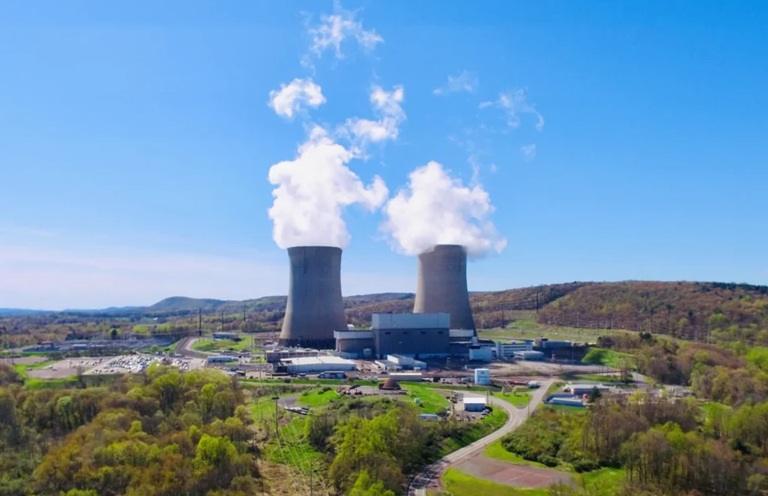
Talen Energy will supply Amazon Web Services (AWS) data centers in Pennsylvania with a substantial 1.9 gigawatts (GW) of carbon-free energy from its Susquehanna nuclear power plant. This long-term Purchase Power Agreement (PPA) is not merely another clean energy deal; it represents a strategic pivot for Amazon and a clear indicator of the rising importance of reliable, baseload, carbon-free generation to power the burgeoning demands of artificial intelligence (AI) and cloud computing infrastructure.
The Strategic Shift: From Renewables to Nuclear Baseload
Amazon, a pioneer in corporate sustainability commitments, famously pledged in 2019 to match 100% of its global electricity consumption across all operations—from data centers to fulfillment centers—with renewable energy by 2030. Impressively, the company declared in July 2024 that it had achieved this ambitious clean energy goal a full seven years ahead of schedule. However, the rapidly escalating energy requirements of generative AI have introduced a new variable into this equation.
The company explicitly stated that the voracious appetite of generative AI will “require different sources of energy than we originally projected.” This acknowledgement marks a critical turning point, signaling a move beyond intermittent renewable sources like wind and solar, which, while crucial, often require significant grid balancing and backup. Nuclear power, with its ability to provide consistent, high-density, carbon-free energy around the clock, emerges as a compelling solution for the uninterrupted power needs of hyperscale data centers.
This strategic recalibration is not just theoretical; it’s backed by substantial capital. Amazon has revealed investments exceeding $1 billion over the past year alone in nuclear energy projects and technologies, underscoring its serious commitment to this energy source. For oil and gas investors, this trend highlights a future where major industrial and technological consumers are actively diversifying away from fossil fuels, even as energy demand surges.
Deal Specifics and Financial Implications
The agreement solidifies and expands an existing relationship between Amazon and Talen. Last year, Amazon announced plans to co-locate a data center facility directly adjacent to Talen’s nuclear plant in Pennsylvania, a move designed to directly power critical infrastructure with carbon-free electricity and bolster the continued operation of Talen’s existing reactor assets. This new PPA builds on that foundation, cementing a long-term partnership.
Under the terms of the new agreement, Talen commits to providing 1,920 megawatts of nuclear power to Amazon through 2042, with built-in options for further extensions. The delivery schedule will ramp up progressively, achieving its full volume by 2032. This long-duration, high-volume contract offers significant financial stability for Talen Energy, as articulated by President and CEO Mac McFarland. He emphasized that the agreement provides a “long-term, steady source of revenue and greater balance sheet flexibility through contracted revenues,” positioning Talen as a “first mover” in integrating data center strategies with nuclear assets.
Amazon’s commitment extends beyond energy procurement. AWS Vice President of Global Data Centers, Kevin Miller, highlighted the company’s “largest private sector investment in state history – $20 billion” in Pennsylvania, projecting the creation of 1,250 high-skilled jobs and substantial economic benefits for the Commonwealth. This multi-faceted investment package underscores the symbiotic relationship between advanced technology infrastructure and reliable, carbon-free energy supply.
The Future Grid: Uprates and Small Modular Reactors (SMRs)
The partnership between Talen and Amazon also reveals forward-looking plans that could significantly impact future energy grids. Both companies intend to pursue expanding the Susquehanna plant’s energy output through “uprates”—modifications that increase a reactor’s power level—with the specific goal of adding net-new energy to the PJM grid, one of the largest electricity markets in the world.
Even more critically, the companies will explore the development and construction of new Small Modular Reactors (SMRs) within Pennsylvania. SMRs represent a transformative technology in the nuclear sector, promising enhanced safety, scalability, and potentially lower construction costs compared to traditional large-scale reactors. Should these SMR initiatives materialize, they could accelerate the deployment of nuclear power, offering a flexible and potent tool for decarbonization and grid stability.
Implications for Oil and Gas Investing
For investors focused on the oil and gas sector, this Amazon-Talen deal is not an isolated event but a clear signal of deeper systemic shifts. While natural gas has played a crucial role as a bridge fuel in the energy transition, providing flexible generation to back up renewables, the increasing corporate appetite for firm, carbon-free baseload power from sources like nuclear could gradually erode this demand. As major energy consumers, particularly in the tech sector, commit to long-term PPAs for nuclear power, they lock in supply that directly displaces potential demand for gas-fired electricity.
The sheer scale of Amazon’s energy needs and its proactive investment in nuclear technology suggest that this is not a niche strategy but a blueprint for other energy-intensive industries. The shift towards nuclear for AI data centers implies a long-term structural change in how industrial power is sourced. This could lead to a decoupling of economic growth from fossil fuel consumption in certain high-demand sectors, posing a material risk to long-term hydrocarbon demand projections.
Furthermore, the development of SMRs, if successful and widely adopted, could dramatically alter the competitive landscape for power generation. SMRs offer a pathway to decarbonization that is less reliant on intermittency management, potentially reducing the need for gas peaker plants or large-scale grid storage that often uses gas-derived electricity for charging. Oil and gas companies with significant exposure to power generation markets, particularly those relying on gas turbine sales or gas-fired plants, must closely monitor these developments and consider their long-term strategic positioning.
Conclusion
Amazon’s substantial investment and long-term commitment to nuclear power for its AWS operations mark a pivotal moment in the energy transition. It underscores the critical need for reliable, carbon-free, baseload power to meet the explosive growth of AI and advanced computing. This strategic pivot towards nuclear, coupled with exploration of SMR technology, signals a powerful new dynamic in corporate energy procurement that could accelerate the decarbonization of the grid.
For investors in oil and gas, this trend represents a significant long-term risk to demand, particularly in the power generation sector. As tech giants and other large industrial consumers increasingly secure their energy needs from nuclear and other firm clean sources, the market for traditional fossil fuels could face sustained pressure. Prudent oil and gas investing demands a keen awareness of these evolving energy paradigms and the potential for a more rapid shift away from hydrocarbons than previously anticipated.


