The global commercial vehicle sector is undergoing a profound transformation, driven by regulatory pressures, technological advancements, and the overarching imperative for decarbonization. Against this backdrop, the finalized agreement between Daimler Truck and Toyota to merge their Japanese commercial vehicle subsidiaries, Mitsubishi Fuso and Hino Motors, represents a significant strategic maneuver. Set to launch as a new holding company in April 2026, this consolidation is far more than a simple corporate restructuring; it is a clear signal of how major industrial players are positioning themselves for a future less reliant on traditional fossil fuels, with profound implications for energy markets and the broader investment landscape.
Strategic Consolidation for a Decarbonized Future
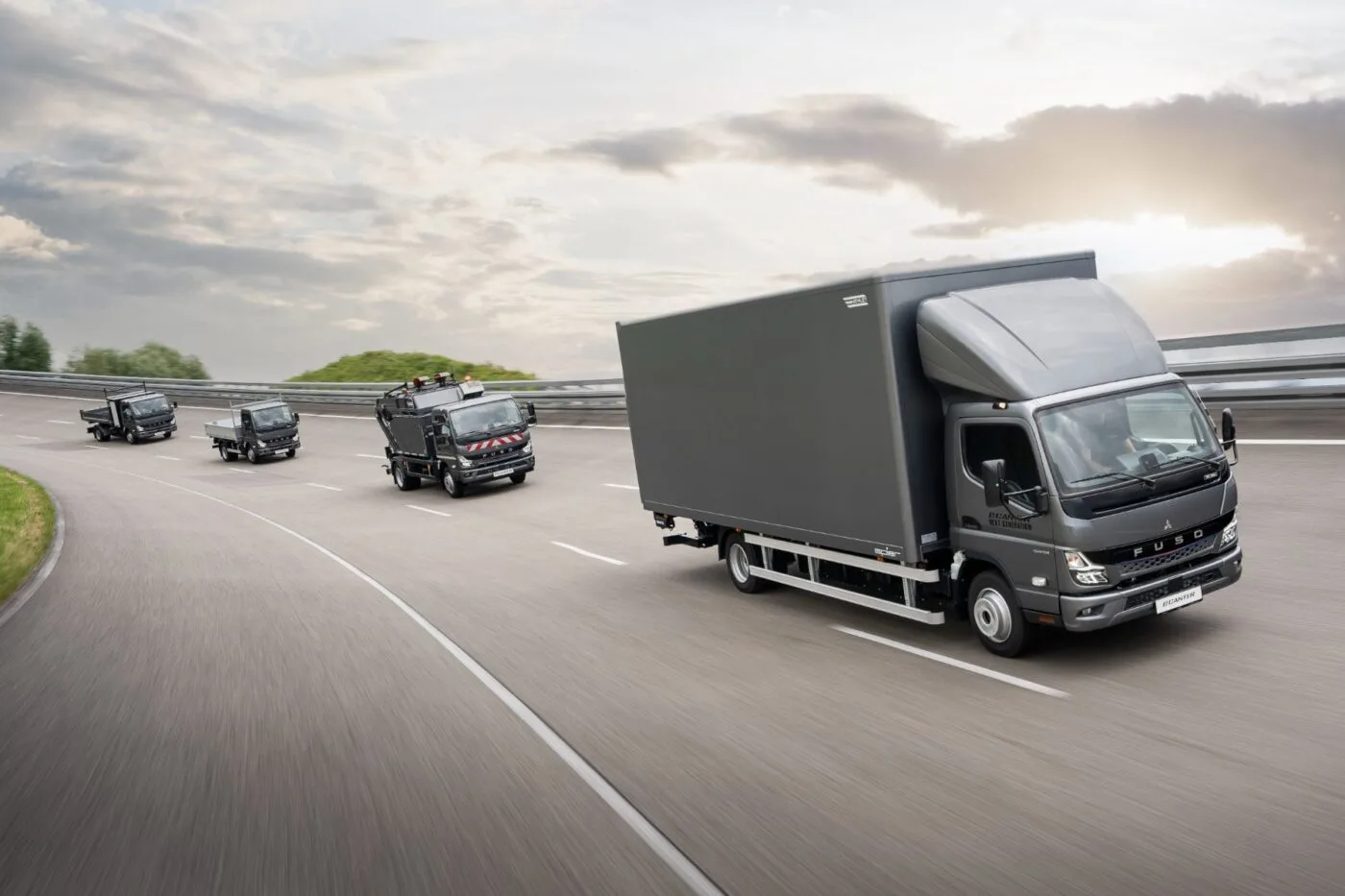
The rationale behind the Daimler Truck and Toyota alliance is deeply rooted in the challenges and opportunities of the energy transition. By bringing Mitsubishi Fuso and Hino Motors under a single corporate roof, the new entity aims to unlock substantial operational efficiencies across development, procurement, and manufacturing. This synergy is particularly crucial in the burgeoning field of CASE technologies – Connected, Autonomous, Shared, and Electric. The explicit focus on hydrogen as a pillar of their electrification strategy, leveraging Toyota’s pioneering work in fuel cell development and Japan’s national energy strategy, underscores a long-term vision that directly impacts future demand for conventional fuels. Mitsubishi Fuso’s existing eCanter and exploration of battery-swapping, alongside Hino’s pursuit of both battery-electric and hydrogen fuel cell technologies, highlight a comprehensive approach to fleet decarbonization. For oil and gas investors, this merger signifies an acceleration in the shift away from internal combustion engines in a critical transport segment, pointing to a gradual, but inevitable, erosion of diesel demand over the coming decades.
Navigating Volatile Energy Markets: Current Prices and Future Demand
The strategic imperative for electrification and alternative fuels within the commercial vehicle sector gains added urgency when viewed against the backdrop of fluctuating energy prices. As of today, Brent crude trades at $95.62, representing a modest 0.88% increase, while WTI crude sits at $92.06, also up 0.85%. However, a look at the recent trend reveals a more significant softening: Brent crude has dipped from $102.22 on March 25 to $93.22 as of April 14, a nearly 9% decline over just a two-week period. This downward pressure, even as gasoline prices hover around $2.96, creates a complex environment for logistics operators. While lower crude prices might temporarily ease the immediate financial pressure to switch from diesel, the long-term regulatory and environmental drivers for decarbonization remain intact. Investors are keenly asking about a base-case Brent price forecast for the next quarter and the consensus 2026 Brent forecast. Our analysis suggests that irrespective of short-term price movements, the strategic shift towards electrification by giants like Daimler Truck and Toyota reflects an acknowledgment that the era of cheap, stable fossil fuel prices cannot be guaranteed, making fuel efficiency and alternative energy sources a fundamental competitive advantage.
Investor Outlook: Strategic Implications and Upcoming Catalysts
The financial structure of this merger presents a compelling investment proposition. Daimler Truck and Toyota each intend to retain a 25% stake in the new, as-yet-unnamed holding company, which will be headquartered in Tokyo and led by current Fuso CEO Karl Deppen. The remaining 50% could potentially be floated on the Prime Market of the Tokyo Stock Exchange, or a strategic investor could join. This potential public offering in Tokyo, coupled with the April 2026 launch, sets up a clear timeline for investors to watch. The success of this new entity in achieving its carbon neutrality and logistics efficiency goals will directly influence future demand for diesel and, conversely, for hydrogen and electricity infrastructure. Looking ahead, the global energy market will continue to provide critical context. Upcoming events such as the OPEC+ JMMC meeting on April 18 and the Full Ministerial meeting on April 20 are pivotal for determining crude oil supply policies. Likewise, weekly API and EIA crude inventory reports on April 21, 22, 28, and 29, along with Baker Hughes Rig Count data on April 17 and 24, will offer vital insights into demand and supply dynamics. Any significant shifts from these events could alter the economic calculus for commercial fleet operators, further influencing the pace and profitability of the transition to CASE technologies by the new Daimler-Toyota venture. Investors’ inquiries about the running rates of Chinese ‘tea-pot’ refineries and Asian LNG spot prices underscore the regional demand sensitivity that will directly impact the operating environment for this Japan-centric truck giant.
The Broader Impact on Oil and Gas Investment
This merger serves as a potent illustration of the energy transition’s ripple effect, extending far beyond the immediate automotive sector into the core of oil and gas investment. As commercial vehicle fleets increasingly adopt electric and hydrogen powertrains, the long-term trajectory of global diesel demand faces structural headwinds. For oil and gas companies, this trend necessitates a re-evaluation of investment strategies, emphasizing diversification into lower-carbon energy solutions and refining portfolios to meet evolving product demands. The combined might of Daimler Truck and Toyota, directed towards advanced CASE technologies, creates a formidable force accelerating this shift. Investors in the energy sector should view this consolidation not as an isolated event, but as a bellwether for sustained capital reallocation towards new energy infrastructure, hydrogen production, and battery technology. The emphasis on operational efficiency and carbon neutrality within this new commercial vehicle giant sets a precedent for the entire logistics industry, signaling a future where the cost of fuel is increasingly tied to its carbon footprint, compelling a strategic pivot for those invested in traditional hydrocarbon value chains.