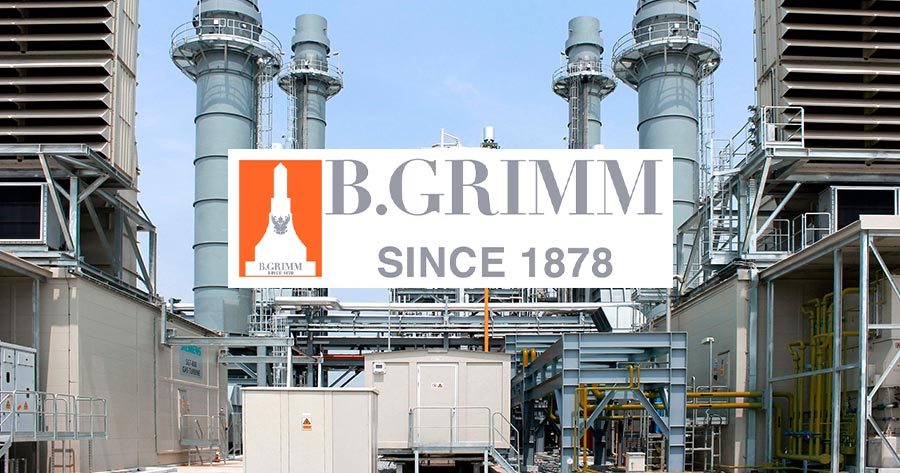
Thailand is rapidly asserting its position as a burgeoning hub for digital infrastructure, evidenced by the recent announcement of a significant $1 billion investment from B.Grimm Power Plc and Singapore’s Digital Edge. This substantial capital injection will fund the development of a 100-megawatt data center in Chon Buri province, targeting commercial operations by the fourth quarter of 2026. While the facility’s commitment to renewable energy stands out, the broader implications for the global energy landscape, particularly for oil and gas investors, are profound as artificial intelligence (AI) drives an unprecedented surge in electricity demand.
AI’s Insatiable Energy Appetite: A Global Imperative
The proliferation of AI and advanced digital services is fundamentally reshaping global energy consumption patterns. Forecasts from the International Energy Agency (IEA) suggest that the energy requirements for data centers could double by 2030, largely propelled by the computational intensity of AI technologies. This dramatic increase in demand for electricity presents both challenges and opportunities across the entire energy spectrum. For oil and gas investors, understanding how this demand will be met—whether through traditional fossil fuels, renewables, or a hybrid approach—is critical to navigating future market dynamics.
While specific projects like the Chon Buri data center are designed with sustainability at their core, the sheer scale of global AI expansion means that every available energy source will likely be tapped. This sustained, aggressive growth in power consumption will necessitate massive investments in generation capacity, transmission infrastructure, and potentially grid stabilization technologies, creating a complex interplay between established energy providers and emerging green alternatives.
Thailand’s Strategic Digital Ascent
Thailand’s government is actively cultivating an environment conducive to technological innovation and digital growth, offering attractive tax incentives and favorable policies to draw in major global tech players. This strategic foresight has already yielded impressive results, with several industry titans committing substantial investments to the nation’s digital infrastructure:
- ByteDance (owner of TikTok) has pledged an $8.8 billion investment over the next five years.
- Alphabet (Google’s parent company) has unveiled plans for a $1 billion data facility.
- Microsoft is actively developing its first regional data center in the country.
Further underscoring this momentum, Thailand’s investment board approved data and energy projects totaling $3 billion in May alone. This influx of capital and technological expertise positions Thailand as a vital player in Southeast Asia’s digital transformation, creating a burgeoning market for reliable and scalable energy solutions.
The Chon Buri Project: A Blueprint for Sustainable Growth
The joint venture between B.Grimm Power and Digital Edge epitomizes Thailand’s ambition to become a regional AI and cloud innovation hub. Situated approximately 100 kilometers from Bangkok, the 100-megawatt facility in Chon Buri is being “fast-tracked” to accommodate the surging requirements of global tech enterprises scaling up their AI infrastructure. Harald Link, Group President of B.Grimm Power, emphasized the strategic alignment: “By combining renewable energy with cutting-edge data centre technology, we’re enabling the country’s transformation into a regional AI and cloud innovation hub.”
A cornerstone of this project is its commitment to sustainability. The data center will draw its power from Thailand’s clean energy grid, a critical factor for tech companies aiming to achieve carbon-neutral operations. This focus on renewable sources addresses a key priority for major tech firms increasingly scrutinized for their environmental footprint, potentially setting a precedent for future developments in the region.
Investment Implications for the Energy Sector
For investors in the oil and gas sector, the rapid expansion of data centers and AI infrastructure, even when powered by renewables, carries significant implications:
Accelerated Electricity Demand Growth
Regardless of the source, the sheer volume of new electricity required to power these facilities will strain existing grids. While projects like Chon Buri will utilize renewables, other regions or future phases might still rely on conventional power generation to meet demand, particularly for baseload or backup. This could translate into continued, or even increased, demand for natural gas as a bridge fuel, especially for flexible combined-cycle power plants.
Infrastructure Development Opportunities
Building out renewable energy infrastructure on this scale requires vast amounts of materials, transportation logistics, and specialized engineering services. Companies involved in steel production, heavy machinery, pipeline construction (for gas-fired backup), or even marine shipping for components could see indirect benefits. The expansion also necessitates significant upgrades to power transmission and distribution networks, creating opportunities for utility-focused investments.
Shifting Energy Mix and Policy Pressure
The explicit emphasis on clean energy by tech giants exerts pressure on governments and utilities to accelerate decarbonization efforts. This trend could lead to more stringent environmental regulations and incentives for renewable energy deployment, potentially impacting the long-term viability and investment profile of purely fossil fuel-based assets in certain regions. Investors must consider how their portfolios are positioned to adapt to these evolving policy and market demands.
Regional Energy Security and LNG Demand
Increased electricity demand in Southeast Asia, whether met by local renewables or imported fuels, influences regional energy security. Countries like Thailand, with growing industrial and digital sectors, may see increased reliance on imported liquefied natural gas (LNG) to supplement domestic generation, particularly during peak demand or for grid stability when renewables are intermittent. This could bolster LNG demand and prices in the Asian spot market.
Future Outlook and Sustained Growth
The Chon Buri project is likely just the beginning. Usa Nuetap, Head of Data Centre Development at B.Grimm Power, revealed that the company is already exploring further investments totaling $1.6 billion for an additional 200 megawatts of data center capacity. This forward-looking approach signals a sustained period of growth in digital infrastructure, with corresponding long-term demand for energy solutions.
The strategic alliance between digital infrastructure developers and energy providers underscores a critical juncture in the global energy transition. As AI continues its exponential growth, the energy sector faces the dual challenge of meeting unprecedented power demand while simultaneously pushing towards a more sustainable energy future. For oil and gas investors, this dynamic landscape presents both risks and opportunities, necessitating a nuanced understanding of evolving energy mixes, infrastructure needs, and policy directions to capitalize on the unfolding digital revolution.


