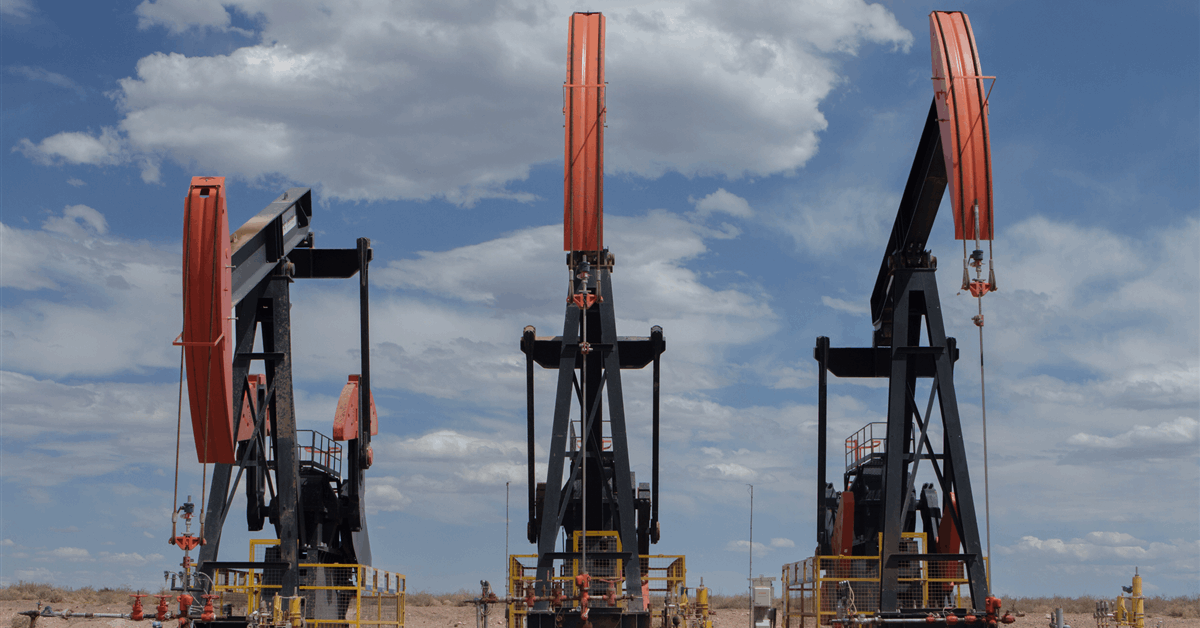
Argentina’s Vaca Muerta shale play is rapidly solidifying its position as a major contender in the global natural gas market, with the recent agreement between Italy’s Eni SpA and Argentina’s YPF SA marking a significant leap forward. This collaboration aims to establish a large-scale liquefaction facility, paving the way for substantial LNG exports and unlocking considerable value for investors eyeing the South American energy landscape. The move signals a strategic pivot for Argentina, leveraging its vast shale resources to meet burgeoning international demand for reliable gas supplies, transforming a domestic resource into a global energy asset.
Argentina’s LNG Export Vision Gains Momentum with Eni-YPF Partnership
The strategic partnership between Eni and YPF is set to accelerate Argentina’s journey towards becoming a key LNG exporter. The signed agreement outlines the necessary steps to reach a final investment decision for an integrated project encompassing gas production, treatment, transportation, and liquefaction through floating units. This initial phase targets a substantial capacity of 12 million tons per annum (MMtpa) of LNG, with ambitious plans to scale up to 30 MMtpa by 2030. This expansion trajectory underscores the long-term vision and commitment of both parties to the Vaca Muerta play, positioning the “Argentina LNG” project as a critical integrated upstream and midstream development designed to serve international markets.
Notably, this development follows YPF’s previous engagement with Shell PLC last year, which at the time projected a Phase 1 capacity of 10 MMtpa. The current 12 MMtpa target with Eni demonstrates an upward revision and a renewed impetus behind the project. The agreement, cemented during high-level discussions between Argentine President Javier Milei and Italian Prime Minister Giorgia Meloni in Rome, highlights the significant governmental backing for this initiative. Argentina’s national and provincial governments have already granted all necessary approvals, including a groundbreaking unrestricted 30-year LNG export authorization and qualification for the Incentive Regime for Large Investments (RIGI). This robust governmental support significantly de-risks the project, enhancing its appeal to international investors seeking stability and regulatory certainty in large-scale energy developments.
Navigating Market Volatility: LNG Projects as a Strategic Anchor
The current energy market environment, characterized by noticeable price fluctuations, underscores the strategic importance of long-term, stable energy investments like Vaca Muerta LNG. As of today, Brent crude trades at $90.38 per barrel, reflecting a 9.07% decline from yesterday’s close and within a daily range of $86.08 to $98.97. Similarly, WTI crude stands at $82.59, down 9.41% within its range of $78.97 to $90.34. This recent volatility is part of a broader trend, with Brent having shed a significant $20.91, or 18.5%, over the past two weeks, dropping from $112.78 on March 30th to $91.87 by April 17th. Such swings prompt investors to ask critical questions about future oil price trajectories and how best to position their portfolios in a dynamic market.
In this context, Vaca Muerta’s potential to provide consistent LNG supply through long-term contracts offers a compelling investment thesis. While crude prices remain subject to geopolitical events and supply-demand imbalances, a well-supported LNG export project with clear governmental backing can provide a degree of insulation. The “great interest worldwide” from both large production companies and countries seeking to purchase Vaca Muerta gas, as noted by YPF CEO Horacio Marin, signifies the global demand for diversified and reliable energy sources. For investors evaluating the energy sector, projects like Argentina LNG represent a strategic opportunity to capitalize on the growing global demand for natural gas, balancing potential crude market volatility with long-term gas monetization.
The Expanding Vaca Muerta Export Ecosystem: Multiple Pathways to Global Markets
Beyond the Eni-YPF collaboration, the Vaca Muerta export landscape is rapidly expanding, demonstrating a multi-faceted approach to bringing Argentine gas to international consumers. Last month, Golar LNG Ltd. and its partners in the Southern Energy project announced a positive Final Investment Decision (FID) for the redeployment of FLNG Hilli, securing a 20-year charter expected to commence in 2027. This floating LNG facility, fully acquired by Golar last year, will transition from its current deployment in Cameroon, where its contract with Perenco SA expires in July 2026.
Concurrently, the Southern Energy partners have finalized definitive agreements for a 20-year charter of a second unit, the MKII FLNG, currently undergoing conversion in China. An FID for this unit is anticipated this year, with deployment slated for 2028. This dual-vessel strategy significantly boosts Vaca Muerta’s near-term export capacity and highlights the robust investor confidence in Argentina’s gas potential. The Southern Energy consortium itself comprises a strong lineup of industry players: Golar LNG (10%), Pan American Energy SL (PAE) (30%), YPF (25%), Argentinian player Pampa Energia SA (20%), and London-based Harbour Energy PLC (15%). This diverse partnership structure, combined with the government’s full support and granted approvals for the FLNG Hilli’s environmental impact assessments, underscores the project’s solidity and broad industry backing, making it an attractive proposition for energy infrastructure investors.
Upcoming Events and Strategic Implications for Energy Investors
The coming weeks present a series of critical events that will further shape the global energy narrative, and by extension, the strategic value of long-term projects like Vaca Muerta LNG. With the OPEC+ Joint Ministerial Monitoring Committee (JMMC) and the full Ministerial Meetings scheduled for April 18th and 19th, respectively, market participants are keenly awaiting signals on production quotas. Our reader intent data indicates a strong interest in “OPEC+ current production quotas” and predictions for future oil prices, highlighting the immediate impact these decisions can have on investor sentiment and crude market dynamics. Any shifts in OPEC+ policy could influence the relative attractiveness of natural gas investments, potentially reinforcing the value proposition of diversified energy sources.
Beyond OPEC+, regular data releases such as the API Weekly Crude Inventory (April 21st, 28th), EIA Weekly Petroleum Status Reports (April 22nd, 29th), and Baker Hughes Rig Count (April 24th, May 1st) will offer granular insights into short-term supply, demand, and drilling activity. These indicators provide the backdrop against which long-term strategic decisions, such as final investment decisions for major LNG projects, are evaluated. Investors are consistently asking about the future price of oil and the performance of major energy players, signaling a desire for clarity amidst market uncertainties. The successful execution and expansion of Vaca Muerta LNG projects, driven by partnerships like Eni-YPF and the Southern Energy consortium, will play a crucial role in Argentina’s energy future and offer a compelling case for those seeking growth and stability in the evolving global energy mix, irrespective of short-term crude price gyrations.


