A New Horizon for Offshore Decarbonization: MODEC and Carbon Clean’s Strategic Alliance
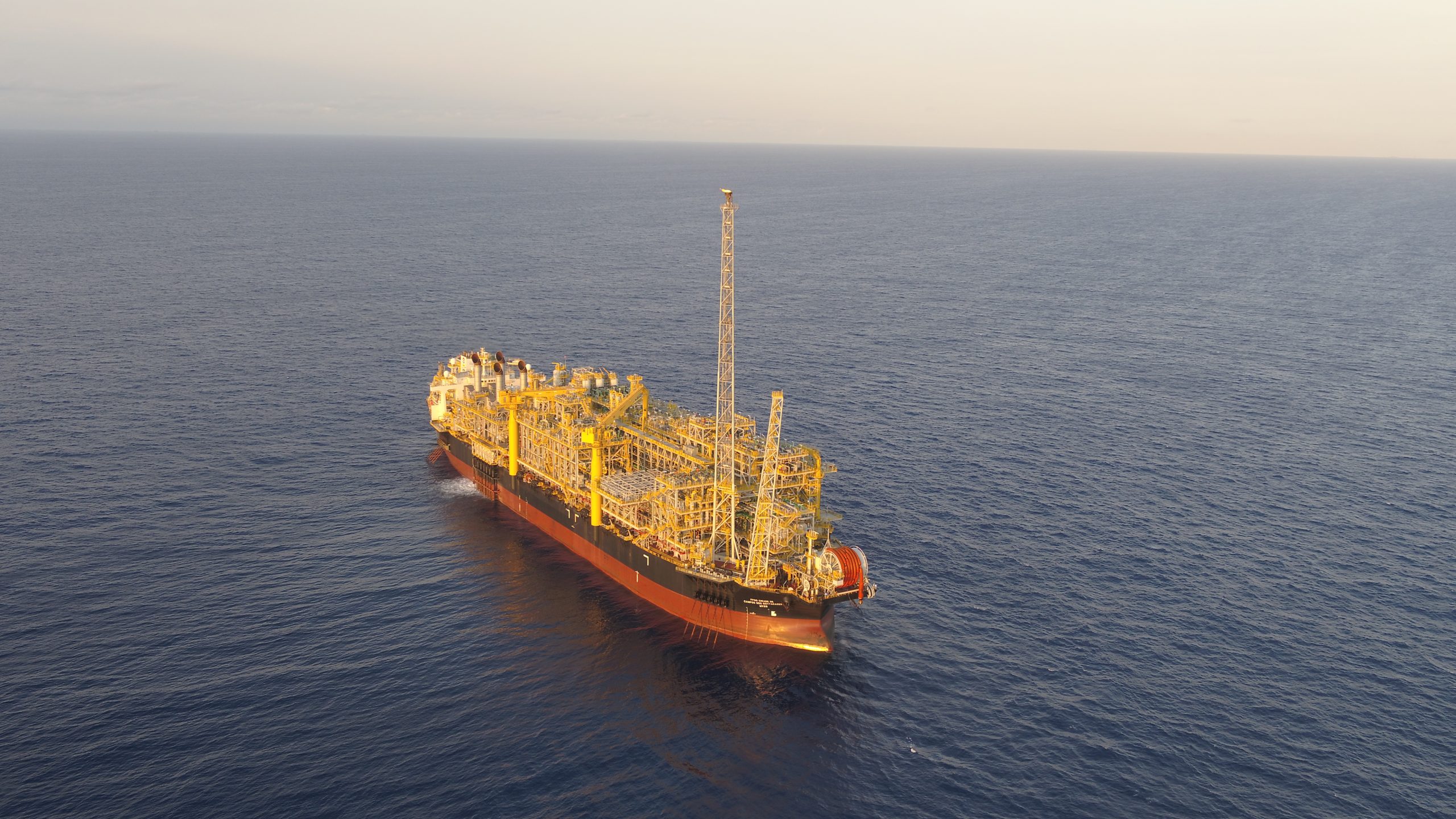
The global energy landscape is undergoing an unprecedented transformation, driven by both market dynamics and an accelerating mandate for decarbonization. In this evolving environment, strategic partnerships that address the core challenges of emissions reduction are increasingly vital. A recent landmark agreement between MODEC, a leading provider of offshore floating platforms, and Carbon Clean, a pioneer in carbon capture solutions, represents a significant leap forward for offshore decarbonization. This collaboration is set to revolutionize carbon capture technology for Floating Production Storage and Offloading (FPSO) vessels, offering a scalable and competitive pathway to substantial emissions reductions. For investors tracking the energy transition, this alliance signals a critical development in making high-emission offshore operations more sustainable and future-proof.
Deconstructing the Offshore Carbon Capture Playbook
At the heart of this partnership is the joint development and scaling of Carbon Clean’s innovative CycloneCC carbon capture technology for offshore applications. The roadmap is ambitious and clearly defined: a pilot plant is targeted for installation on an FPSO as early as 2026. This initial phase will pave the way for the first commercial-scale deployment, aiming to capture up to 100,000 tonnes of CO2 per year, facilitating partial decarbonization. The ultimate goal is full decarbonization, integrating CycloneCC into FPSO designs to capture approximately 300,000 tonnes of CO2 annually, with a broader vision to achieve 1,000 tonnes of CO2 per day capacity onboard FPSOs. What makes CycloneCC particularly compelling for the demanding offshore environment is its compact footprint, reportedly 50% smaller than traditional solutions, with key equipment sizes reduced by a factor of ten. Furthermore, its C1 series boasts a 70% height reduction compared to column-based technologies, and its Rotating Packed Bed (RPB) design is specifically engineered to maintain performance under vessel motion – a crucial advantage for FPSO operations. This technological edge, combined with MODEC’s leadership in offshore platforms, positions the venture as a frontrunner in mitigating emissions from critical offshore assets.
Market Dynamics and the Decarbonization Investment Thesis
The commitment to such large-scale decarbonization projects by industry heavyweights like MODEC is particularly noteworthy amidst fluctuating commodity prices. As of today, Brent crude trades at $95.92, reflecting a 1.19% gain for the day, while WTI sits at $92.37, also up 1.19%. This bullish intraday movement comes against a backdrop where Brent has seen a nearly 9% decline over the past three weeks, falling from $102.22 on March 25th to $93.22 yesterday. Such price volatility, even with a strong rebound today, underscores the ongoing uncertainty in the global energy market. However, it also highlights the resilience of the decarbonization investment thesis. For companies operating capital-intensive offshore assets, investing in carbon capture is no longer solely an ESG mandate but a strategic imperative to ensure long-term operational license and compliance with evolving global regulations, such as those from the International Maritime Organization. Stable, even if volatile, oil prices provide the necessary capital for these investments, while increasing regulatory pressure makes them non-negotiable for future viability. The partnership between MODEC and Carbon Clean demonstrates a proactive approach to embedding sustainability into core operations, mitigating future regulatory risks and enhancing asset value in the long run.
Anticipating Future Headwinds and Tailwinds: Upcoming Energy Events
Looking ahead, the next two weeks hold critical insights for the energy market that could indirectly influence the pace and scale of investment in solutions like MODEC and Carbon Clean’s. We anticipate the Baker Hughes Rig Count reports on April 17th and 24th, offering a pulse check on upstream activity. More significantly, the OPEC+ Joint Ministerial Monitoring Committee (JMMC) meets on April 18th, followed by the full Ministerial Meeting on April 20th. These gatherings are crucial for understanding global supply-side strategy. Any decisions on production quotas or output adjustments will directly impact crude price stability and, consequently, the capital allocation decisions for major offshore operators contemplating long-term decarbonization projects. Furthermore, the weekly API and EIA inventory reports on April 21st, 22nd, 28th, and 29th will provide granular detail on demand-supply balances in the US, a key indicator for global sentiment. While these events don’t directly address carbon capture technology, the overall sentiment and price stability they foster or disrupt can either accelerate or temper the appetite for significant capital expenditures in environmental improvements. A predictable, higher price environment generally emboldens operators to invest in future-proofing technologies.
Addressing Investor Focus: Long-Term Value in the Energy Transition
Our proprietary reader intent data reveals a consistent focus among investors on forward crude price projections, with many actively seeking a base-case Brent forecast for the next quarter and the broader consensus for 2026. This reflects a fundamental concern: how will future oil prices impact the viability and urgency of significant capital expenditures in the sector? For investors eyeing MODEC’s strategic move, understanding the long-term price environment is paramount. While short-term price fluctuations are inevitable, the investment thesis for offshore carbon capture, particularly for critical infrastructure like FPSOs, transcends daily commodity price swings. It is driven by the structural demands of the energy transition, the imperative for corporate social responsibility, and the increasing cost of carbon emissions. Companies that proactively invest in decarbonization, like MODEC, are not just complying with regulations; they are building resilience, ensuring access to capital, and maintaining their social license to operate in a carbon-constrained world. The partnership with Carbon Clean, focusing on a commercially viable and scalable technology, positions MODEC not merely as an offshore platform provider, but as a key enabler of sustainable energy production, offering a compelling long-term value proposition for discerning investors.