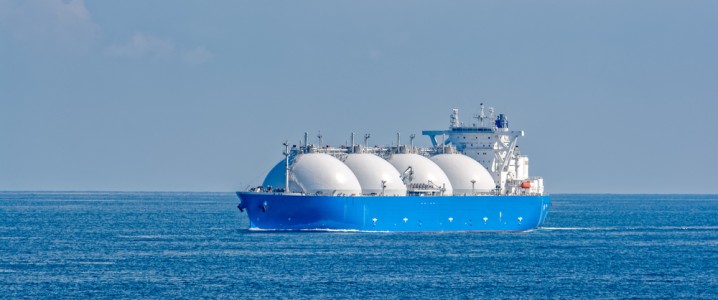
The global energy landscape is constantly evolving, with supply security and market stability remaining paramount concerns for nations and investors alike. In this dynamic environment, the Alaska LNG project is emerging as a critical focal point, having reportedly attracted an astounding $115 billion in prospective liquefied natural gas purchase commitments from approximately 50 energy companies worldwide. This massive interest underscores the strategic significance of the estimated $44 billion export facility, poised to deliver 20 million tons of LNG annually from the Gulf of Alaska to global markets via an 800-mile pipeline, while also providing crucial local natural gas supply for the state.
Strategic Access to Growing Asian Markets
The sheer volume of investor interest, spanning companies from the United States, Europe, India, Japan, South Korea, and Taiwan, highlights the project’s unique value proposition. A significant draw is its unparalleled geographic advantage for Asian buyers. For an island nation like Taiwan, which has already formally committed to purchasing LNG from the Alaskan facility, the decision is a clear strategic win. Alaska LNG represents the closest U.S. LNG export source, eliminating the need for shipments to traverse the Panama Canal. This geographical benefit promises significantly shorter transit times, mitigates voyage risks, and crucially enhances the reliability and security of natural gas supply for major energy consumers in the Pacific Rim. This direct access offers a tangible competitive edge in a global market increasingly prioritizing supply chain resilience.
Navigating Volatility: Long-Term Security Against Market Swings
The impressive long-term commitments for Alaska LNG come at a time when short-term energy markets continue to exhibit considerable volatility. As of today, Brent Crude trades at $96.28 per barrel, marking a 1.57% increase for the day. This daily upward movement follows a notable retreat in crude prices, with Brent having declined by $9, or 8.8%, over the past 14 days, from $102.22 to $93.22. Such fluctuations underscore the value of long-term, stable supply agreements for both producers and consumers. For investors, the substantial pre-commitment to Alaska LNG’s output provides a strong de-risking factor, offering predictable revenue streams in an otherwise unpredictable commodity environment. This stability is particularly attractive for major energy infrastructure projects requiring significant upfront capital, ensuring demand well into the future.
Investor Focus: Addressing Supply Security and Future Pricing
Our proprietary market intelligence indicates that investors are keenly focused on understanding future price trajectories and supply security, with frequent inquiries about “building a base-case Brent price forecast for next quarter” and “what’s driving Asian LNG spot prices this week.” These questions highlight a market grappling with short-term dynamics. The Alaska LNG project directly addresses these concerns by offering a long-term, reliable supply alternative to the often-volatile Asian LNG spot market. For major industrial consumers and national energy providers, securing consistent volumes from a strategically located source like Alaska LNG provides a critical hedge against spot price spikes and geopolitical disruptions. The reported interest from Japanese trading giants like Mitsui, which is exploring financial participation, along with potential involvement from JERA and Mitsubishi, further validates the institutional confidence in the project’s long-term viability and strategic importance for energy security in Asia.
The Road Ahead: Upcoming Catalysts and Project Milestones
While the Alaska LNG project represents a multi-year development, its trajectory will be influenced by near-term market catalysts and ongoing policy support. The next two weeks bring a series of crucial energy events, including the Baker Hughes Rig Count reports scheduled for April 17 and April 24, which provide insights into upstream activity. More significantly, the OPEC+ Joint Ministerial Monitoring Committee (JMMC) meeting on April 18, followed by the Full Ministerial meeting on April 20, will be closely watched for any shifts in crude oil production policy. Although these events primarily target crude markets, their outcomes will invariably shape the broader energy investment climate, influencing capital allocation decisions across the sector. The strong political backing the Alaska LNG project has received, particularly from administrations advocating for increased U.S. energy exports to reduce trade deficits, acts as a significant tailwind, potentially accelerating regulatory approvals and fostering international cooperation necessary for such a large-scale endeavor to move forward efficiently.


