The New Frontline: “Economic Denial” Threatens Energy Investment Landscape Ahead of COP30
The global dialogue surrounding climate action is undergoing a significant transformation, moving beyond the long-standing debate over scientific consensus. A new, more insidious form of resistance, dubbed “economic denial,” is now emerging as a critical challenge, posing substantial risks and uncertainties for investors across the entire energy spectrum. This shift in opposition targets the fundamental premise that economies can be successfully reoriented towards a low-carbon future, a development that warrants immediate attention from those allocating capital in oil, gas, and renewable sectors.
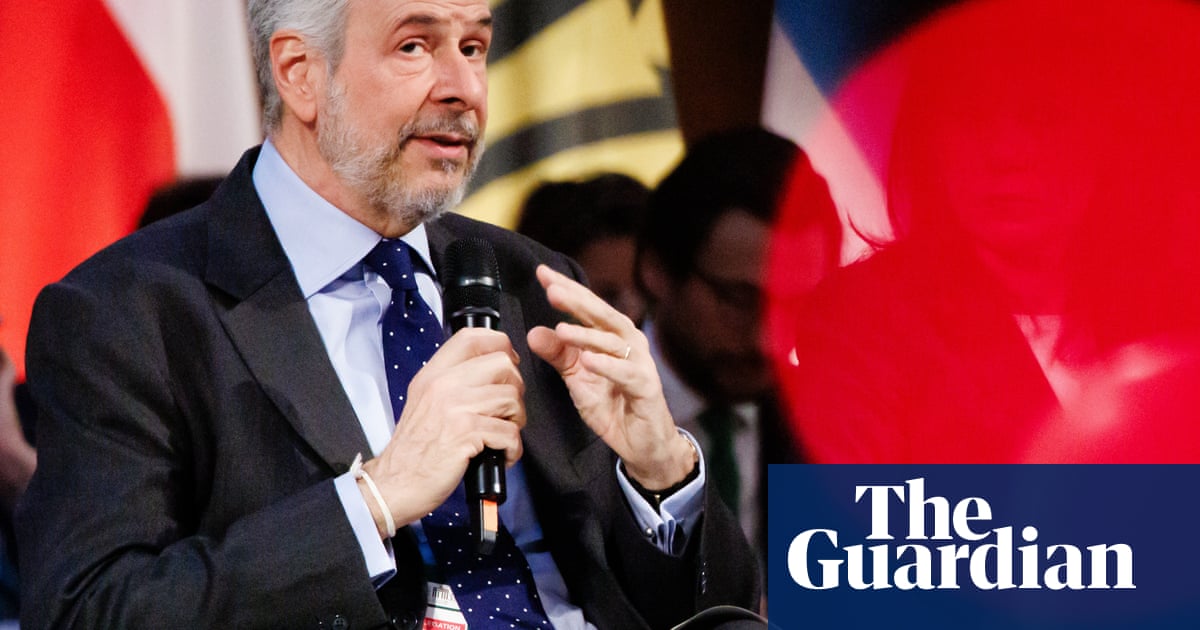
André Corrêa do Lago, the seasoned Brazilian diplomat slated to lead this year’s pivotal UN climate summit, COP30, has starkly warned against this burgeoning ideology. His primary mandate, he asserts, will be to dismantle the concerted efforts by various vested interests attempting to discredit climate policies designed to transition the global economy away from fossil fuel reliance. This isn’t a rejection of climate science itself, which has become increasingly undeniable, but rather a strategic assault on the economic viability and societal benefits of such a transition.
From Scientific Skepticism to Economic Scrutiny: A Shifting Debate
For decades, climate action was hampered by persistent attempts to undermine or misrepresent scientific findings. However, as the planet’s warming trends accelerate and extreme weather events become more frequent and severe, the irrefutable links between greenhouse gas emissions and environmental impact have become undeniable. Consequently, the narrative has evolved. As Corrêa do Lago highlights, “It is not possible to have [scientific] denialism at this stage… So there is a migration from scientific denial to a denial that economic measures against climate change can be good for the economy and for people.”
This “economic denial” posits that climate policies are inherently detrimental to growth, prosperity, and individual well-being. Such a viewpoint, if allowed to gain traction, could prove just as delaying and dangerous as previous scientific skepticism, stalling critical investment and policy implementation needed to meet global climate targets. For energy investors, understanding this evolving ideological battle is paramount, as it directly influences regulatory frameworks, market demand, and the long-term profitability of various energy assets.
Populism’s Shadow: Impeding Sustainable Capital Flows
The rise of populist political movements globally has significantly fueled this backlash against climate-oriented economic policies. Instances such as previous U.S. administrations actively dismantling renewable energy incentives, rolling back emissions regulations, and defunding climate-related research institutions clearly illustrate this trend. Such actions introduce immense regulatory uncertainty and policy risk, creating headwinds for investment in clean energy technologies while potentially offering short-term reprieves for traditional fossil fuel operations.
These populist narratives often frame climate action as an elite agenda, detached from the economic realities of everyday citizens, or as a burden that stifles industrial competitiveness. Corrêa do Lago aims to counter this by demonstrating concrete evidence that transitioning to a clean energy economy can yield substantial economic advantages, foster innovation, create new jobs, and ultimately lead to a better quality of life for all. This requires a robust, data-driven narrative that can withstand ideological attacks and reassure both businesses and the public.
COP30’s Critical Mission: Proving the Economic Case for Green Investment
Corrêa do Lago, an economist by training with a distinguished career as a diplomat, including stints as ambassador to India and Japan, brings a unique perspective to this challenge. His background equips him to articulate the economic rationale for climate action, moving beyond environmental imperatives to highlight tangible financial and social benefits. The success of COP30 will largely hinge on its ability to effectively communicate this economic case, thereby mobilizing the trillions of dollars in capital required for a global energy transition.
Investors are keenly aware of the massive capital expenditure necessary to decarbonize industries, upgrade infrastructure, and develop next-generation energy solutions. However, this capital will only flow at the required scale if there is a clear, compelling, and consistent economic narrative supporting these investments, coupled with stable, supportive policy environments. “Economic denial” directly threatens this stability, injecting doubt and increasing perceived risk, which can deter long-term commitments.
Investment Implications for Oil & Gas Stakeholders
For the oil and gas sector, the “economic denial” phenomenon presents a complex dynamic. While some might view it as a potential delay in the energy transition, offering extended lifespans for fossil fuel assets, savvy investors recognize the inherent risks. Policy reversals create volatility, and continued reliance on a high-carbon economy faces increasing scrutiny from financial institutions, shareholders, and evolving carbon pricing mechanisms.
Conversely, companies that proactively embrace diversification into low-carbon solutions – such as carbon capture, hydrogen production, or renewable energy projects – are positioning themselves for resilience and long-term growth. The success of COP30 in countering “economic denial” will directly impact the pace and direction of these transitions, influencing asset valuations, project financing, and the overall competitive landscape. Investors must carefully assess not only the technical feasibility of projects but also the political and economic narratives shaping their future.
Navigating the Transition: Opportunities Amidst Ideological Headwinds
The global energy landscape demands a pragmatic approach. While the world still requires significant fossil fuel production to meet current energy demands, the imperative to accelerate investment in clean energy technologies remains. The challenge is to bridge this gap through policies and economic models that incentivize both responsible fossil fuel management and rapid deployment of renewables.
The “economic denial” narrative, if left unchallenged, risks creating a fragmented and inefficient energy transition, characterized by policy whiplash and underinvestment. Conversely, a strong, unified economic argument for climate action, championed by leaders like Corrêa do Lago, could unlock unprecedented levels of capital, driving innovation and creating new market opportunities across the entire energy value chain. For oil and gas investors, understanding and adapting to this evolving ideological battlefield will be crucial for navigating the opportunities and risks inherent in the global energy transition.


