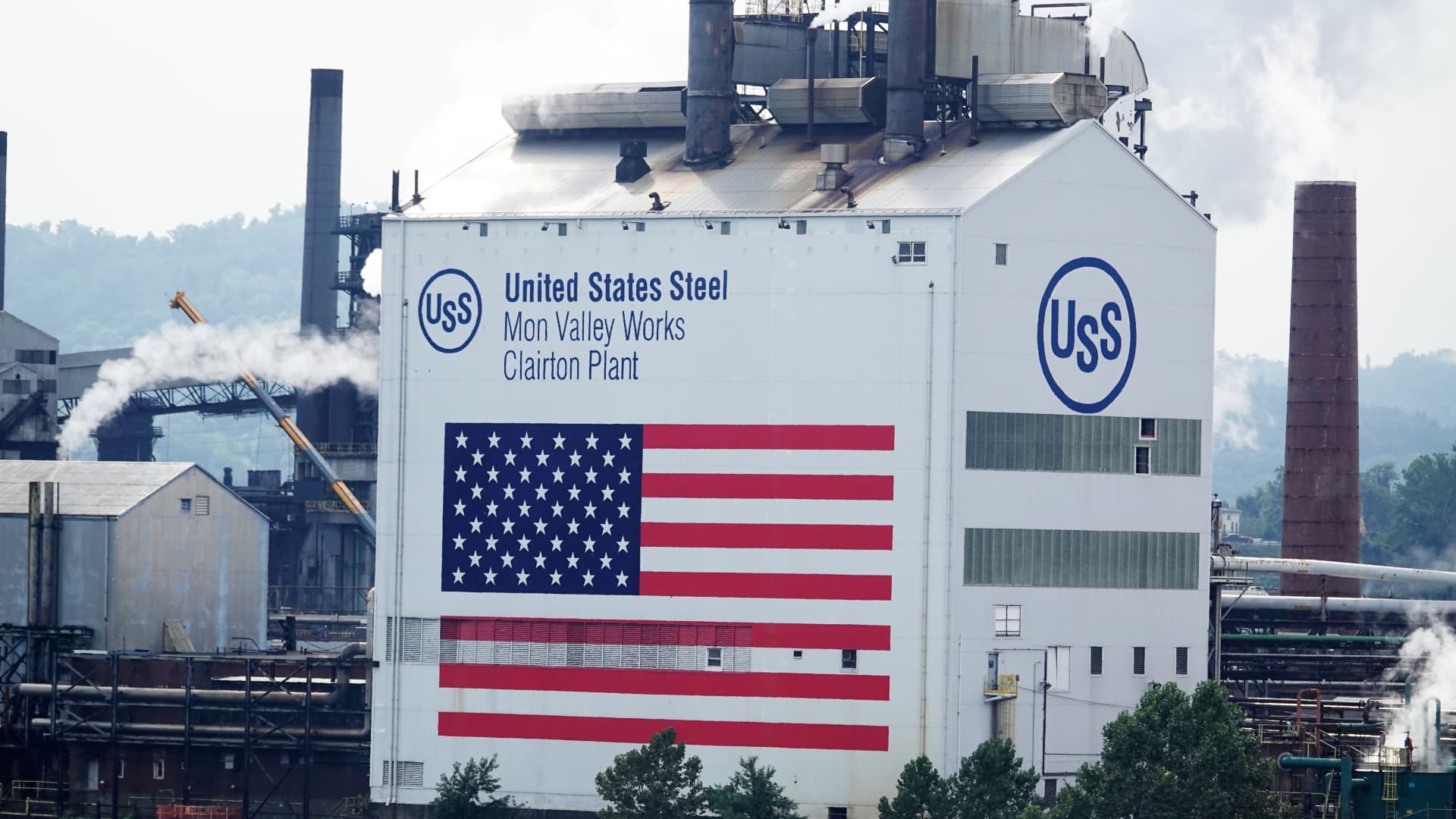
A significant cross-border acquisition in the heavy industry sector is rapidly moving towards completion, with Japan’s Nippon Steel poised to finalize its purchase of U.S. Steel for $55 per share. This pivotal transaction, valued at a substantial premium over recent trading levels, signifies a complex interplay of market forces, strategic industrial expansion, and high-stakes political maneuvering, offering critical insights for investors tracking global commodity markets and industrial supply chains.
Green Light for a Strategic Industrial Alliance
The path to this major industrial consolidation has been anything but straightforward. Initially proposed at $55 per share, the deal faced considerable headwinds, including a direct block by President Joe Biden’s administration on national security grounds earlier this year. Concerns centered on the potential impact on vital domestic supply chains and the strategic control of a cornerstone American industry. However, the narrative shifted dramatically when former President Donald Trump, despite prior opposition to foreign ownership of U.S. Steel, ordered a fresh review of the acquisition in April. His recent public endorsement, referring to the arrangement as a “partnership,” has effectively cleared the final political hurdles, paving the way for the deal’s imminent close.
This political pivot underscores the dynamic nature of M&A in sectors deemed strategically important, such as steel production, which is foundational to energy infrastructure, manufacturing, and national defense. For investors in oil and gas, understanding these macro shifts in industrial policy and strategic material control is paramount, as steel demand directly correlates with activity in pipeline construction, rig fabrication, and broader energy sector development.
Market Response and Financial Implications
The market’s reaction to the renewed momentum behind the acquisition has been swift and positive for U.S. Steel shareholders. Following President Trump’s announcement, the company’s stock experienced a significant surge, climbing over 20% on Friday. This upward trajectory continued into the early part of the week, with shares gaining approximately 2% on Tuesday to close at $53.04. The $55 per share offer represents a compelling valuation for U.S. Steel, reflecting the strategic importance of its assets and market position.
Nippon Steel’s commitment extends beyond the acquisition price. The Japanese industrial giant has pledged a substantial $14 billion investment over the next 14 months into U.S. Steel’s operations. This includes a dedicated $2.4 billion specifically earmarked for the Mon Valley facilities outside Pittsburgh, a key operational hub. Such capital injection is critical for modernizing infrastructure, enhancing operational efficiencies, and potentially expanding capacity, factors that will resonate positively with investors looking at long-term industrial growth and competitive advantage in a demanding global market. Furthermore, U.S. Steel’s headquarters will reportedly remain in Pittsburgh, maintaining its historic ties to the region.
Addressing National Security and Labor Concerns
One of the most contentious aspects of the proposed acquisition involved national security implications and concerns raised by organized labor, particularly the United Steelworkers (USW) union. USW President David McCall vocalized strong opposition, citing worries about Nippon Steel’s past track record regarding trade laws and the potential for eroding domestic steelmaking capacity and jeopardizing union jobs. These are valid concerns for any industry investor, as labor relations and regulatory compliance can significantly impact operational stability and financial performance.
However, the agreement has seemingly been restructured to address these critical issues head-on. Key stipulations now include an American CEO leading U.S. Steel and a majority of its board members being U.S. citizens. Crucially, a “national security agreement” will be signed with the U.S. government, incorporating a “golden share” provision. This mechanism will grant the U.S. government approval rights over certain board members and, significantly, ensure that production levels are not cut. This unique governance structure aims to safeguard American interests while facilitating foreign investment.
From a labor perspective, the deal is framed as a net positive for job creation and retention. Senator Dave McCormick indicated that the acquisition is expected to save 10,000 jobs in Pennsylvania and create an additional 10,000 jobs in the building trades through the construction of a new arc furnace. This commitment to job growth and technological advancement within U.S. Steel’s operations will be a key metric for evaluating the deal’s long-term success and its impact on the American industrial base.
Strategic Rationale for Nippon Steel and Broader Industrial Implications
For Nippon Steel, the rationale behind this ambitious acquisition is clear: gaining enhanced access to the lucrative U.S. market. The American industrial landscape, characterized by significant infrastructure spending, robust manufacturing, and expanding energy projects, presents immense growth opportunities. Securing a direct foothold through U.S. Steel allows Nippon to capitalize on this demand, benefiting from local supply chains and established distribution networks. This strategic move highlights a broader trend in global heavy industry where cross-border M&A is driven by the pursuit of market share, technological synergies, and supply chain resilience.
For investors focused on oil and gas, the implications extend beyond just steel prices. A strong, well-capitalized U.S. steel industry, even under foreign ownership with robust national security safeguards, is vital for the energy sector. Steel is an indispensable material for exploration and production equipment, pipelines, refineries, and renewable energy infrastructure. A stable and innovative domestic steel supply ensures predictable costs, reduces reliance on potentially volatile international markets, and enhances the overall security of energy supply chains. This acquisition, therefore, represents a critical development in the broader ecosystem of strategic industrial materials, warranting close attention from those invested in or considering positions in energy and related heavy industries.
As the final details are ironed out, with President Trump even planning a rally at U.S. Steel in Pittsburgh on May 30, this acquisition stands as a landmark transaction. It not only reshapes the global steel landscape but also sets a precedent for how strategic foreign investment can be structured to align with national economic and security interests, offering a unique case study for investors navigating the complexities of modern industrial markets.


