Trump’s Nuclear Push: Reshaping the Energy Landscape for Oil & Gas Investors
A seismic shift in American energy policy is underway, with recent presidential executive orders targeting the nation’s nuclear power infrastructure signaling a profound strategic pivot. These directives aim to fundamentally reshape the regulatory landscape for nuclear energy, accelerating deployment and bolstering domestic capabilities. For investors tracking the oil and gas markets, particularly natural gas, this renewed commitment to nuclear prompts a closer look at how it might recalibrate the energy mix and influence demand for hydrocarbons.
Overhauling the Nuclear Regulatory Commission
Central to this initiative is a sweeping overhaul of the Nuclear Regulatory Commission (NRC), the independent body responsible for overseeing the safety and licensing of nuclear reactors for half a century. The administration explicitly calls for a “total and complete reform” of the agency, introducing stringent new timelines. Notably, the NRC will now be mandated to render decisions on nuclear reactor licenses within an ambitious 18-month window. This accelerated pace directly addresses historical bottlenecks that have plagued nuclear project development, promising to streamline what has often been a protracted and costly process. For investors, this signals a commitment to reducing project risk and bringing new capacity online faster, potentially altering long-term baseload power generation forecasts.
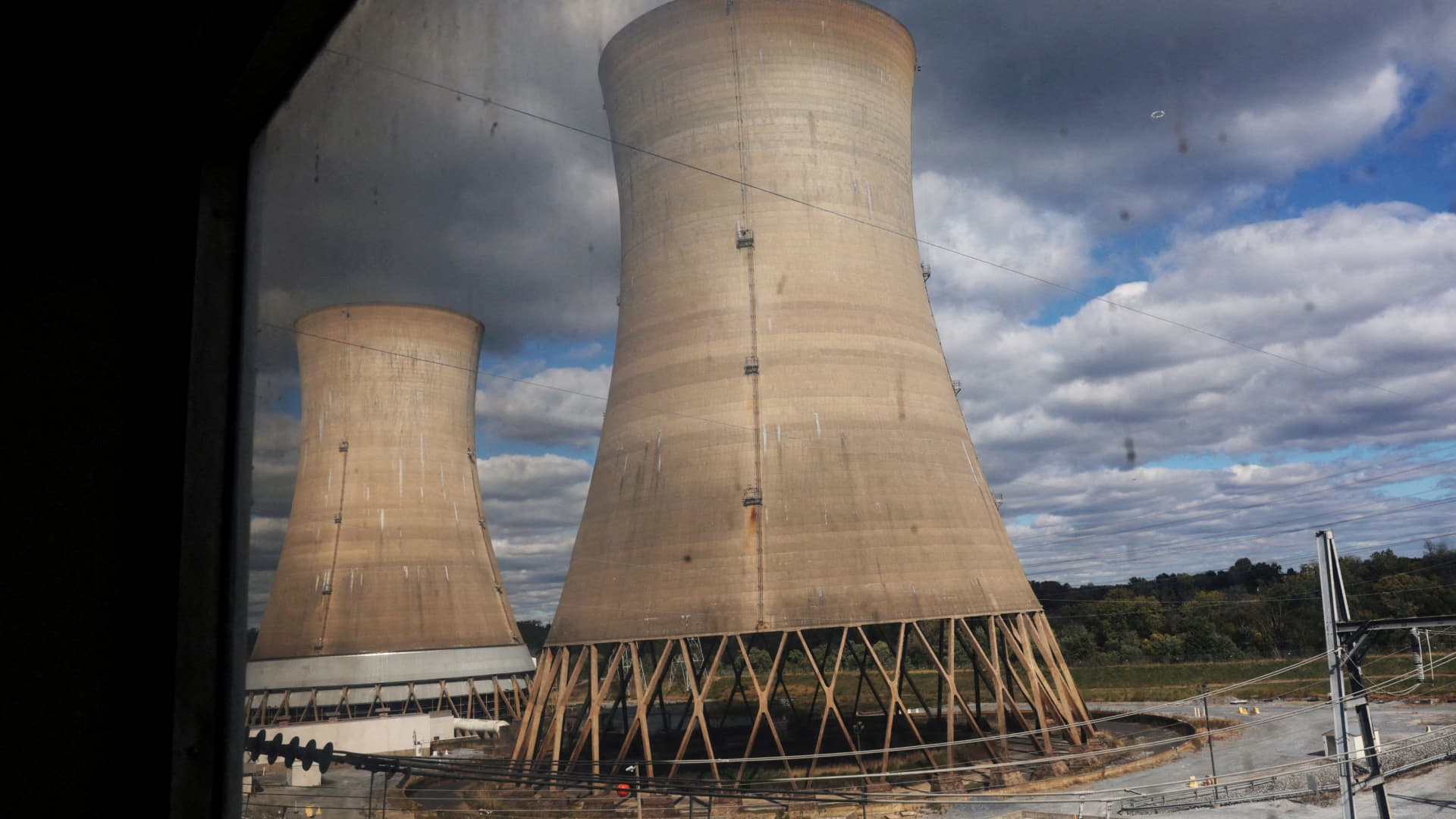
While specific details on staff reductions remain fluid, the White House confirmed a “substantial reorganization” and “changes in roles” within the NRC, though without replacing its five commissioners. Such an internal restructuring, coupled with an already demanding workload – including unprecedented reviews for restarting mothballed plants like Palisades in Michigan and Three Mile Island in Pennsylvania – underscores the urgency and scale of this governmental push to revitalize a crucial energy sector.
A Dual-Track Approach to Nuclear Development
The new policy framework adopts a pragmatic, dual-track approach to nuclear reactor development. While emphasizing the future potential of small, advanced modular reactors (SMRs), widely regarded by industry experts as the next generation of nuclear technology due to their scalability and reduced footprint, the administration also explicitly champions the construction of traditional, large-scale facilities. The president himself affirmed support for “the very, very big, the biggest” plants, indicating a comprehensive strategy to expand nuclear capacity across the board. This broad support caters to different grid needs and investment profiles, appealing to both innovators in advanced reactor designs and established utilities seeking robust baseload power solutions. The market immediately responded, with nuclear energy stocks, including those of major operators like Constellation, rallying following the announcement, reflecting investor confidence in this decisive policy direction.
Federal Land and Strategic Energy Independence
Further accelerating deployment, the executive orders establish a novel regulatory pathway for the Departments of Energy (DOE) and Defense (DOD) to construct nuclear reactors on federal lands. This groundbreaking provision allows for the deployment of safe and reliable nuclear energy specifically to power critical defense facilities and burgeoning AI data centers – applications demanding immense, uninterrupted power supplies. Crucially, the NRC will not play a direct regulatory role in these particular projects; instead, the DOE and DOD will leverage separate authorities under their purview to authorize construction for national security purposes.
This strategic carve-out highlights a significant governmental prioritization of energy independence and resilience for vital infrastructure, creating an expedited development stream largely insulated from traditional commercial licensing challenges. It represents a new, substantial demand vector for nuclear power, potentially shifting significant electricity loads away from the commercial grid and, by extension, reducing dependency on other energy sources for these critical national assets.
Bolstering the Domestic Fuel Cycle and Innovation
A cornerstone of any robust nuclear expansion strategy is securing the domestic fuel supply chain. The executive orders directly address this by targeting a revitalization of U.S. uranium mining and a significant expansion of domestic uranium enrichment capacity. This move is designed to diminish reliance on foreign sources for critical nuclear fuel, enhancing energy security and fostering an indigenous industrial base. Furthermore, the administration aims to fast-track reactor testing initiatives at the Department of Energy’s national laboratories, accelerating the development and commercialization of next-generation reactor technologies. For investors, this signals government support for the entire nuclear ecosystem, from upstream resource extraction to advanced technology validation, opening up new opportunities in a sector poised for renewed growth after a prolonged period of uncertainty.
The Natural Gas Conundrum: Implications for Hydrocarbon Investors
The ambitious push for nuclear power naturally casts a long shadow over the natural gas market, particularly for investors in the exploration and production (E&P), midstream, and power generation sectors. Natural gas has long served as a crucial baseload and peak-power fuel, often lauded for its flexibility and lower carbon emissions compared to coal. However, a rapidly expanding nuclear fleet, particularly one benefiting from streamlined regulatory processes and strategic federal deployment, represents a formidable competitor in the power generation mix.
Accelerated nuclear plant construction, encompassing both SMRs and large-scale facilities, could incrementally displace demand for new gas-fired power plants over the medium to long term. While nuclear projects still entail significant lead times and capital expenditure, the policy signals are clear: nuclear is being positioned as a primary, reliable, and carbon-free baseload energy source. For natural gas E&P companies, this means a potential slowdown in domestic demand growth, impacting pricing dynamics and investment decisions for new drilling. Midstream operators, whose profitability is tied to throughput volume, may need to re-evaluate long-term pipeline expansion plans if power sector demand for gas plateaus or declines in certain regions.
Conversely, a strong domestic push for nuclear could potentially free up more natural gas for export as Liquefied Natural Gas (LNG). If domestic power generation shifts more heavily towards nuclear, surplus gas could be channeled into the burgeoning global LNG market, offering a different avenue for demand growth for U.S. producers. However, the immediate impact on natural gas prices is likely to be muted, given the multi-year development cycles for nuclear projects. The primary concern for gas investors should be the long-term outlook for domestic power generation demand and the potential for greater price volatility as the energy mix diversifies. Regions heavily reliant on gas for power, or those targeted for early nuclear deployment, might experience these shifts more acutely.
Furthermore, the strategic deployment of nuclear for defense and AI data centers, which would otherwise draw heavily from the existing grid (often powered by natural gas), effectively creates new, dedicated power sources, subtly reducing pressure on grid-supplied gas. Investors in utility companies with significant gas-fired generation assets must closely monitor the pace of nuclear development and assess their portfolio diversification strategies. The capital allocation decisions made today will define their competitive positioning in an evolving energy landscape where nuclear is poised for a significant resurgence.
Conclusion
The comprehensive executive orders aimed at revitalizing the U.S. nuclear energy sector mark a definitive strategic shift, emphasizing energy security, technological advancement, and a more diversified power grid. For investors in the broader energy complex, particularly those focused on oil and gas, this policy pivot necessitates careful consideration. While natural gas will undoubtedly remain a critical component of the energy mix for decades, the accelerated deployment of nuclear power introduces a powerful new variable into the equation. Understanding the trajectory of this nuclear renaissance – its speed, scale, and specific deployment zones – will be paramount for forecasting future natural gas demand, shaping investment strategies, and navigating the evolving dynamics of the American energy market.