Legislative Action Ignites Optimism for Oil & Gas Investment
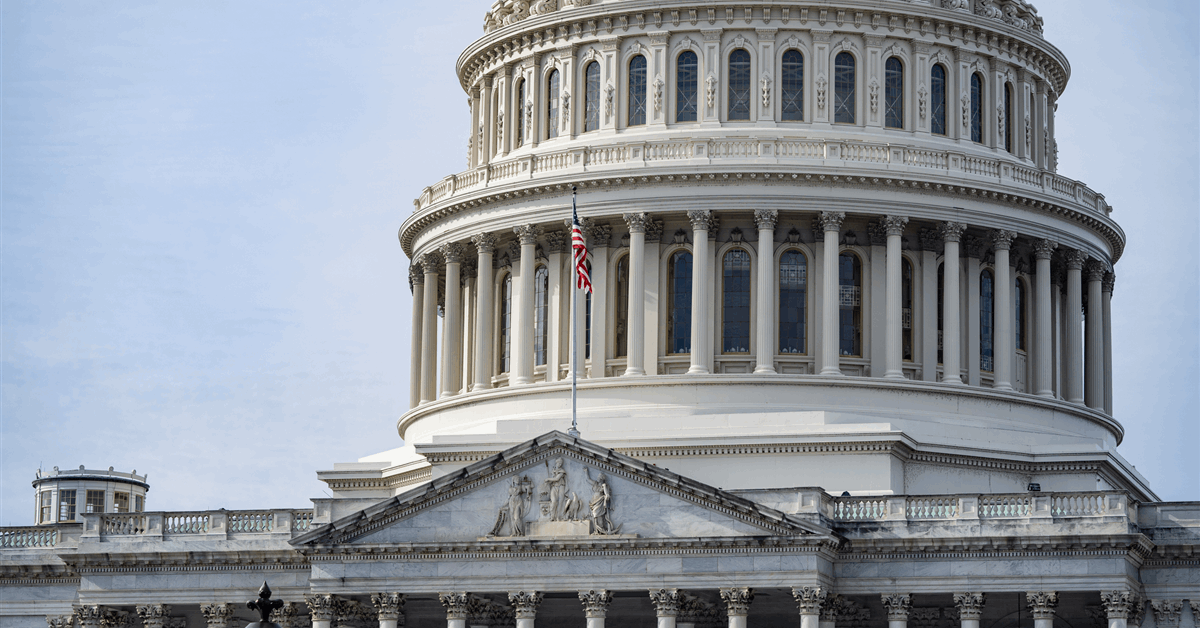
The United States House of Representatives recently delivered a significant legislative package, the “One Big Beautiful Bill Act,” sparking a wave of positive sentiment across the domestic oil and gas sector. This comprehensive bill, designated H.Con.Res.14, is being widely hailed by industry leaders as a critical stride toward reinforcing America’s energy independence and fostering a more predictable investment climate. For investors monitoring the oil and gas landscape, the implications of this legislative push are substantial, promising renewed opportunities and a clearer path for project development.
Industry Leaders Commend Pro-Growth Policies
Leading energy trade organizations were quick to express their approval following the bill’s passage. Mike Sommers, President and CEO of the American Petroleum Institute (API), emphasized the legislation’s role in revitalizing American energy leadership. He highlighted several key components that resonate directly with investor interests: the preservation of competitive tax structures, initial steps to roll back the controversial methane emissions fee, the reinstatement of federal lease sales, and crucial advancements in streamlining permitting processes. Sommers articulated API’s readiness to collaborate with the Senate to fortify these pro-investment provisions, ensuring the U.S. remains a global leader in energy innovation.
Echoing this sentiment, Jeff Eshelman, President and CEO of the Independent Petroleum Association of America (IPAA), characterized the House bill as a definitive win for American energy. He pointed to specific language incorporated by multiple House committees that directly enhances the operational capabilities of independent oil and natural gas producers. These improvements are designed to facilitate the delivery of reliable and affordable energy to consumers, a fundamental objective that underpins long-term investment viability.
Safeguarding Investment Through Tax Stability and Access
A cornerstone of the “One Big Beautiful Bill Act” for the investment community is its commitment to maintaining favorable tax treatments essential for the oil and gas industry. The IPAA specifically lauded the protection of critical industry tax deductions, including intangible drilling costs and percentage depletion. These provisions are vital for managing the high capital expenditures inherent in exploration and production, directly impacting project economics and investor returns. Furthermore, the bill successfully preserved carried interest deductions, a significant win for private equity and investment funds active in the energy sector.
Beyond tax policy, the legislation addresses fundamental access issues that have constrained domestic production. Investors will keenly observe the reinstatement of oil and natural gas lease sales across both onshore and offshore federal lands. This move, coupled with common-sense reforms to the federal permitting and leasing processes, promises to unlock new acreage and accelerate project timelines. For companies reliant on federal lands for their growth strategies, this represents a tangible improvement in the operating environment, potentially translating into increased production volumes and revenue streams.
Navigating Methane Regulations: A Partial Victory
While the industry celebrates many aspects of the bill, the issue of methane emissions regulations remains a point of continued advocacy. The legislation includes a 10-year delay of the Methane Emissions Reduction Program (MERP), which encompasses the associated methane tax. This deferment offers a significant reprieve, easing immediate compliance burdens and associated costs for producers. However, the IPAA voiced its disappointment that the bill did not include a full repeal of the MERP and its corresponding tax. Industry stakeholders continue to push for a complete rescission of the statute, arguing that it imposes undue financial strain and regulatory complexity. Investors should monitor this ongoing dialogue closely, as the ultimate fate of the methane tax could influence future operational expenditures and profitability.
Offshore Sector Poised for Renewed Vigor
The National Ocean Industries Association (NOIA) also recognized the House bill’s passage as a pivotal moment for advancing American energy dominance, particularly highlighting its benefits for the offshore sector. Erik Milito, NOIA’s President, underscored the importance of the included provisions for preserving the Gulf of Mexico’s strategic role as a vital energy hub. This region is not only critical for domestic supply but also reinforces the U.S.’s global leadership in offshore energy development.
For investors focused on the deepwater and ultra-deepwater plays, the bill’s support for offshore oil and gas measures is crucial. NOIA specifically urged lawmakers in the Senate to deliver a final reconciliation package that maintains these essential provisions while safeguarding existing offshore energy tax credits from premature repeal or phase-out. The association warned that undermining these credits could severely disrupt critical investments in American manufacturing, infrastructure, ports, and shipbuilding, all of which are intrinsically linked to a thriving offshore energy industry. This perspective highlights the broader economic ripple effect of stable offshore energy policy, extending well beyond the immediate producers to a vast supply chain.
The Road Ahead: Senate Deliberation and Investor Vigilance
As the “One Big Beautiful Bill Act” transitions to the Senate, the industry maintains an active stance, advocating for the strengthening of its pro-investment components. Industry leaders have expressed their readiness to assist in ensuring the legislation gains Senate approval and ultimately reaches the President’s desk for signature. For astute oil and gas investors, this period of Senate deliberation presents a critical juncture to observe how these provisions are debated and potentially refined. The ultimate shape of the final legislation will significantly influence capital allocation decisions, project development timelines, and the overall trajectory of American energy production for the coming decade.
The passage of this bill by the House marks a decisive shift towards a more supportive federal policy environment for the oil and gas sector. By addressing key concerns related to taxation, regulatory burdens, and access to resources, the legislation offers a renewed sense of confidence for investors seeking opportunities in American energy. While some challenges, such as the full repeal of the methane tax, remain on the industry’s agenda, the current legislative momentum undeniably establishes a more robust foundation for growth and investment in the U.S. oil and gas market.