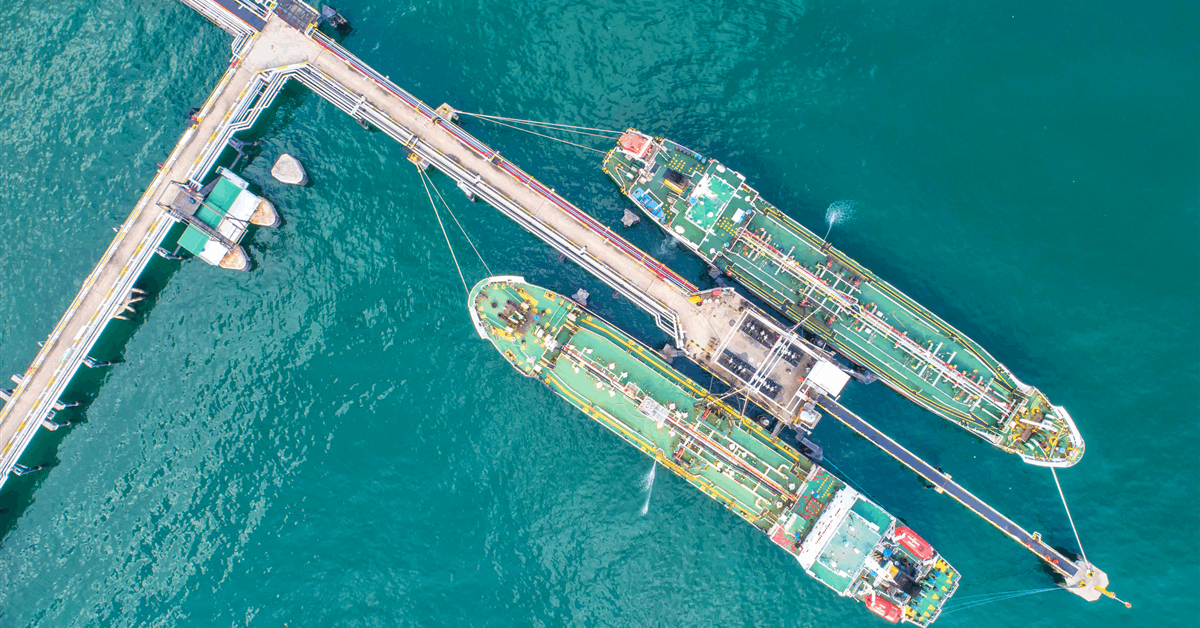
The United States Gulf Coast is poised for a significant upgrade in its clean energy infrastructure with the Galveston LNG Bunker Port (GLBP) project now fully permitted for construction. This approval from the United States Army Corps of Engineers (USACE) and the Coast Guard marks a pivotal de-risking event for Pilot LNG LLC and Seapath Group, paving the way for a crucial final investment decision (FID) targeted for mid-2025. Positioned strategically on Shoal Point in Galveston County, Texas, GLBP is set to become the premier dedicated LNG marine fuels supplier in the U.S. Gulf, serving the bustling Houston-Galveston port complex. This development is not merely about a new facility; it represents a tangible step forward in the decarbonization of maritime shipping and offers a compelling investment narrative amidst evolving global energy dynamics.
The Permitting Milestone: De-risking a Key LNG Bunkering Hub
Achieving full permitting status is a monumental hurdle cleared for any large-scale infrastructure project, and GLBP’s recent approvals underscore its readiness for execution. The USACE issued critical Section 408 and 404/10 authorizations under the Clean Water Act, while the Coast Guard provided a Captain of the Port Letter of Recommendation for the project’s Waterway Suitability Assessment. These federal clearances build upon earlier state-level successes, including a Texas Railroad Commission Water Quality Certification and an air permit from the Texas Commission on Environmental Quality secured earlier in January. For investors, this comprehensive regulatory achievement significantly reduces project risk, signaling a clear path towards the anticipated mid-2025 FID and a projected start-up in the second half of 2027.
Seapath president Josh Lubarsky emphasized the strategic advantage, noting the project is “comfortably ahead in the marketplace to be the first dedicated LNG marine fuels supplier in the U.S. Gulf.” With a total capacity of 720,000 gallons per day across two phases and two three-million-gallon storage tanks, GLBP is designed to efficiently supply LNG by fuel barge to the rapidly expanding fleet of LNG-fueled vessels. Its optimal location will serve major regional ports, including Port Houston, the Port of Galveston, and the Port of Texas City, cementing its role as a “foremost clean fuel supply hub” for the region.
Navigating Regulatory Headwinds and Investor Focus on LNG Futures
While GLBP celebrates its permitting success, the broader regulatory landscape for LNG bunkering has seen recent shifts that demand investor attention. Earlier this year, the Department of Energy (DOE) rescinded a blanket order that previously extended LNG export regulations to ship-to-ship transfers for marine fuel. This followed a December 2024 export permit issued to JAX LNG LLC, where the DOE determined that bunkering U.S.-produced LNG constitutes an export if the receiving vessel is foreign-registered, regardless of where the transfer occurs. This interpretation effectively treated a foreign-registered vessel as a “foreign country,” a stance JAX LNG has challenged, seeking a rehearing.
These regulatory nuances are crucial for investors trying to build a base-case Brent price forecast for the next quarter or understand what’s driving Asian LNG spot prices this week. The clarity – or ambiguity – around LNG’s classification impacts both supply chain logistics and the perceived cost-effectiveness of LNG as a marine fuel. While GLBP focuses on domestic bunkering, the precedent set by these DOE decisions could influence future projects and the overall attractiveness of U.S. LNG bunkering capabilities on a global scale. Investors are keenly watching how these interpretations evolve, understanding that regulatory certainty is a cornerstone for long-term capital deployment in the energy sector.
The Gulf Coast’s Strategic Advantage Amidst Evolving Energy Markets
The U.S. Gulf Coast, a powerhouse in global energy, is uniquely positioned to capitalize on the growing demand for cleaner marine fuels. GLBP’s location at Shoal Point is not merely convenient; it is a strategic nexus within one of the world’s busiest shipping lanes. This proximity to major ports and existing natural gas infrastructure provides a distinct advantage, minimizing logistical complexities and driving operational efficiencies that will be critical for competitive pricing.
As of today, Brent crude trades at $96.24 per barrel, reflecting a modest daily gain of 1.53%, while WTI sits at $92.59. This daily uptick, however, follows a notable 8.8% decline in Brent over the past two weeks, dropping from $102.22 on March 25th to $93.22 on April 14th. This volatility in traditional crude markets underscores the growing appeal of LNG as a more stable and environmentally compliant marine fuel option. Investors are constantly seeking insights into the consensus 2026 Brent forecast, but the long-term investment thesis for GLBP transcends short-term crude price swings. The drive for emissions reduction in shipping, coupled with the inherent price stability of natural gas relative to crude, provides a robust foundation for projects like GLBP, differentiating them from upstream oil plays that are more directly exposed to daily commodity price fluctuations.
Forward Outlook: Key Catalysts and Market Signals for LNG Investors
With the permitting phase largely complete, the market’s focus now shifts to GLBP’s final investment decision, expected in mid-2025. This 12-15 month window will be critical, as project developers solidify financing, secure off-take agreements, and prepare for construction which could commence “in the coming months.” Investors looking for signals will be evaluating several market factors that could influence this FID.
In the immediate term, the energy calendar is packed with events that, while primarily focused on crude, inevitably shape the broader energy investment landscape. Investors will be closely watching the upcoming OPEC+ Joint Ministerial Monitoring Committee (JMMC) and Full Ministerial meetings on April 18th and 20th respectively. Any shifts in production policy from OPEC+ can impact global crude prices, thereby influencing the competitive dynamics between traditional bunker fuels and LNG. Furthermore, the recurring Baker Hughes Rig Count reports (April 17th, April 24th) and the API and EIA Weekly Crude Inventory reports (starting April 21st and 22nd) will provide ongoing insights into North American supply and demand, indirectly affecting natural gas markets and, by extension, LNG pricing. The sustained investor interest in topics like “how Chinese tea-pot refineries are running this quarter” also highlights the interconnectedness of global energy demand and its influence on both crude and LNG markets. For GLBP, a favorable and stable long-term outlook for LNG demand, supported by continued regulatory push for cleaner shipping, will be paramount in securing that FID.


