Merz Backs Nord Stream Ban, Preventing Gas Restart
German Chancellor Friedrich Merz is actively endorsing a proposed European Union prohibition on the Nord Stream natural gas pipelines, a decisive move aimed at permanently precluding any attempts by American or Russian interests to revive these crucial energy conduits. This strategic backing signals a definitive shift in Germany’s energy policy and carries significant implications for investors in the global natural gas market and European energy security.
Earlier this week, the German government announced its support for the ban, which will form part of the EU’s forthcoming package of sanctions against Russia in response to its ongoing conflict in Ukraine. Sources close to the discussions reveal that Chancellor Merz seeks to definitively quell any lingering domestic debates regarding the potential merits or feasibility of reactivating the pipelines. This stance underscores a commitment to solidify Europe’s energy independence and sever historical energy ties with Russia, a development that will undoubtedly reshape investment strategies across the continent’s energy sector.
The Geopolitical Gambit to Seal Nord Stream’s Fate
Reports emerged in March highlighting efforts by individuals connected to the Kremlin and certain U.S. business circles to explore the reactivation of the privately-owned Nord Stream pipelines. These revelations prompted Chancellor Merz to initiate high-level discussions within Berlin and Brussels, focusing on preventative measures. Integrating Nord Stream into the EU’s comprehensive sanctions framework effectively removes a persistent political dilemma for the German leadership. By “Europeanizing” the pipeline’s fate, Berlin aims to deflect potential unilateral pressure from both the United States and Russia, distributing the political burden across the entire bloc.
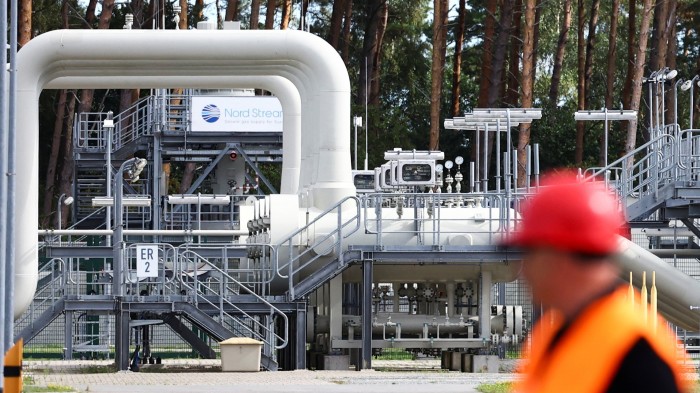
While the German state does not hold direct ownership or control over any of the four Nord Stream pipeline strands—three of which sustained damage from explosions in September 2022—any potential activation would still necessitate specific certification from Berlin. This regulatory gatekeeping power grants Germany a critical veto, even in the absence of direct equity. For investors, this highlights the enduring influence of national regulatory frameworks on critical cross-border energy infrastructure, even when ownership is private. The political will to deny such certification, now bolstered by EU-wide sanctions, casts a long shadow over any future operational prospects for these assets.
Unpacking the Proposed Sanctions Mechanism
The impending EU restrictions are designed to target Nord Stream 2 AG, the Switzerland-based corporate entity that holds ownership of the pipelines. Furthermore, the sanctions package will extend to encompass any other companies, irrespective of their nationality, deemed essential for the restart and ongoing operation of the gas link. This broad scope demonstrates a comprehensive approach to ensure that all avenues for reactivation are effectively closed off, sending a clear signal to market participants about the long-term viability of engaging with such projects.
European Commission President Ursula von der Leyen publicly mentioned Nord Stream as a key component of the “new package of sanctions” her team is currently developing. This announcement followed extensive consultations with Chancellor Merz, who provided his full backing for the initiative. Formal discussions among EU governments are expected to commence shortly, though the adoption of these measures will ultimately require the unanimous consent of all member states. This requirement introduces a layer of political risk, but given Germany’s firm stance and the broader geopolitical context, market analysts largely anticipate successful passage, further solidifying the pipeline’s indefinite dormancy and impacting long-term European gas supply dynamics.
A Pipeline’s Storied Past and Contentious Future
The Nord Stream project, originally conceived under former German Chancellor Gerhard Schröder—who maintained close ties with Vladimir Putin and later joined the board of Kremlin-backed Gazprom—once symbolized the deep economic interdependence between Germany and Russia. However, even prior to Moscow’s full-scale invasion of Ukraine in 2022, the pipeline had become a significant point of contention between Berlin and Washington. The first Trump administration, for instance, vociferously urged then-Chancellor Angela Merkel’s government to reduce Germany’s reliance on Russian energy supplies, highlighting the geopolitical fragility inherent in such large-scale energy partnerships.
Reports have previously indicated that Matthias Warnig, a former East German intelligence officer and close associate of Putin, engaged in discussions regarding a potential restart of the pipeline. These efforts were reportedly underpinned by support from certain U.S. investors, who aimed to leverage former U.S. President Donald Trump’s stated desire for an economic rapprochement with Moscow. This historical context illustrates the complex web of political, economic, and personal relationships that have long influenced major energy infrastructure projects, and underscores the high stakes for investors navigating such politically charged environments.
Investment Implications for European Energy Security
For investors monitoring the European energy landscape, Merz’s unwavering support for the Nord Stream ban sends an unambiguous message: the era of significant Russian pipeline gas flows to Germany via this route is definitively over. This decision reinforces the structural shift in European energy policy towards diversification and reduced dependence on a single supplier, particularly Russia. Consequently, investments in LNG import terminals, renewable energy sources, and alternative pipeline routes from more politically stable regions are likely to see continued prioritization and accelerated development.
The permanent inactivation of Nord Stream removes a potential source of market uncertainty, allowing gas traders and long-term energy planners to discount its future contribution to European supply. While this could exert upward pressure on spot gas prices in certain scenarios by limiting supply options, it also provides greater clarity for capital allocation in new energy infrastructure projects. Companies engaged in developing new gas import capabilities, energy storage solutions, and interconnectors within Europe stand to benefit from this solidified policy direction. Investors should closely monitor the specifics of the EU sanctions and their enforcement, as they will dictate the future valuation and operational prospects of any entities previously associated with the Nord Stream complex.
In essence, Chancellor Merz’s active push to enshrine the Nord Stream ban into EU law marks a pivotal moment in European energy geopolitics. It not only resolves a long-standing political dilemma for Germany but also provides a clearer, albeit more challenging, path forward for European energy security. For sophisticated investors, understanding these deep-seated policy shifts is paramount for navigating the evolving landscape of global energy markets and identifying resilient investment opportunities.