G7 Signals Heightened Volatility for Global Energy Markets
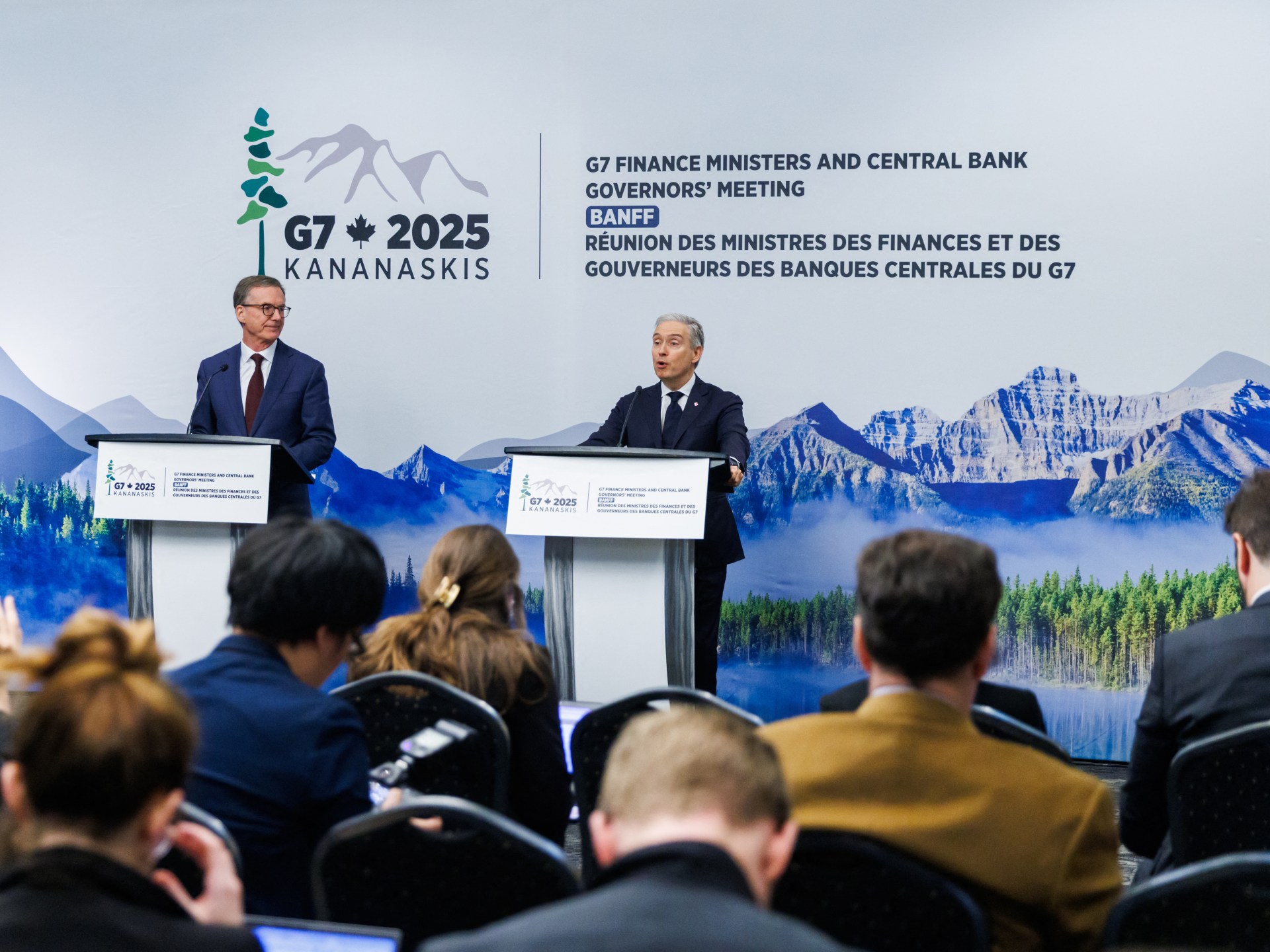
The recent gathering of Group of Seven (G7) finance ministers and central bank governors in the picturesque Canadian Rocky Mountains has sent clear signals of intensified geopolitical and economic pressures, with direct implications for the global oil and gas investment landscape. Officials emerged from their discussions pledging to confront “excessive imbalances” within the global economy and signaling a potential escalation of sanctions against Russia, factors poised to inject significant volatility into energy markets.
The communique, issued following the high-level talks, underscored a collective drive for greater international economic security. A key focus involved developing a shared understanding of how “non-market policies and practices” can disrupt global trade and economic stability. While not explicitly naming any nation, these references frequently point towards the state subsidies and export-driven economic models prevalent in certain major economies, indicating a broader push for a level playing field in international commerce. For energy investors, this focus on trade practices suggests potential shifts in industrial output and demand patterns across different regions, warranting close monitoring.
The Russian Oil Price Cap Under Scrutiny
A central theme dominating the G7’s discussions was the efficacy and future of sanctions targeting Russia, particularly the G7-led $60-per-barrel price cap on Russian crude oil. European Commission Executive Vice President Valdis Dombrovskis confirmed that ministers explored proposals for further sanctions, including the prospect of lowering this existing price ceiling. This discussion comes at a critical juncture, as Russian crude is reportedly already trading below the $60 threshold, raising questions about the cap’s current impact and its potential for greater enforcement.
The dynamic between the price cap and prevailing market rates creates a complex scenario for oil traders. While the cap aims to restrict Russia’s revenues, the fact that its oil trades below this level suggests market forces are already exerting pressure. Brent crude, the international benchmark, currently hovers around $64 per barrel, illustrating the significant discount Russian oil faces in the global market. However, any move to lower the cap could introduce further uncertainty, potentially disrupting existing supply chains and prompting a re-evaluation of shipping and insurance dynamics for Russian exports.
Interestingly, reports indicate a divergence in opinion among G7 members regarding the price cap. A European official noted that the United States remains “not convinced” about the immediate need to lower the cap. This internal debate highlights the complexities of coordinating international sanctions and the challenges of balancing economic pressure on Russia with concerns about potential disruptions to global supply and price stability. Investors must recognize that such disagreements can lead to unpredictable policy outcomes, directly influencing crude oil pricing and energy company valuations.
Addressing Global Economic Imbalances and “Unfair Practices”
Beyond the immediate focus on Russia, the G7’s broader agenda touched upon rebalancing the global economy to protect workers and companies from what the U.S. Treasury Secretary Scott Bessent (as per original source) described as “unfair practices.” This initiative emphasizes a commitment to analyzing market concentration and bolstering the resilience of international supply chains. The communique explicitly stated the importance of a transparent, level playing field, condemning those who operate outside established international rules.
For the oil and gas sector, a robust and resilient supply chain is paramount. Any efforts by the G7 to address vulnerabilities or concentrations in global manufacturing and trade could indirectly impact demand for energy. For instance, if certain industries are encouraged to diversify production geographically, it could lead to new regional energy demands or shifts in existing consumption patterns. Investors should consider how these macro-level policy shifts might influence long-term energy infrastructure development and commodity flows.
Geopolitical Resolve and Asset Immobilization
The G7 participants unequivocally condemned Russia’s “continued brutal war” against Ukraine. They reiterated that Russia’s sovereign assets held within G7 jurisdictions would remain immobilized until Moscow ceases hostilities and compensates Ukraine for the damage incurred. Furthermore, the G7 leaders affirmed that should efforts for a ceasefire fail, they would explore “all possible options,” including “further ramping up sanctions.”
This firm stance underscores the G7’s enduring commitment to isolating Russia economically. For energy investors, this means persistent geopolitical risk will remain a significant factor. The threat of additional sanctions, while not specifying energy-related measures, always looms over the market, creating a premium for crude oil and natural gas. Companies with exposure to Russian assets or operations, or those heavily reliant on specific trade routes that could be impacted by escalating tensions, face continued scrutiny.
Beyond Energy: Trade Integrity and Customs Challenges
In a related but distinct point, the communique also acknowledged the growing issue of low-value international “de minimis” package shipments. These shipments, often valued below the $800 duty-free exemption, have been shown to overwhelm customs and tax collection systems and can be exploited for illicit activities, including drug smuggling. Chinese e-commerce giants, such as Shein and Temu, were noted as companies that have leveraged this exemption.
While not directly related to crude oil prices, this aspect of the G7 discussions reflects a broader concern about global trade integrity and regulatory oversight. A crackdown on such practices could signify a wider move towards stricter international trade enforcement, which could indirectly affect global economic growth forecasts and, by extension, overall energy demand.
Investor Outlook: Navigating a Complex Landscape
In summary, the G7 meeting reinforces a complex and potentially volatile outlook for oil and gas investors. The explicit discussions around lowering the Russian oil price cap, combined with the U.S.’s apparent hesitation, highlight the intricate balancing act of geopolitical pressure and market stability. Simultaneously, the G7’s broader commitment to addressing global economic imbalances and “non-market policies” suggests a future of evolving trade dynamics and supply chain scrutiny.
Investors must remain agile, closely monitoring shifts in G7 policy, the trajectory of the Russia-Ukraine conflict, and any developments related to international trade enforcement. The ongoing geopolitical risks, coupled with the potential for sudden policy changes regarding energy sanctions, underscore the need for a nuanced and informed investment strategy in the global energy markets. Anticipating these shifts will be crucial for navigating the opportunities and challenges that lie ahead.