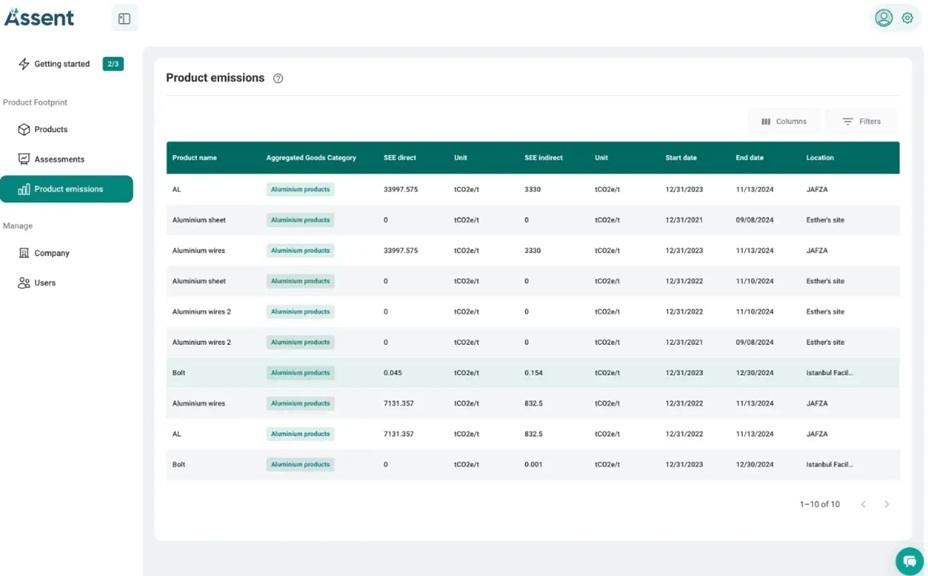
The global energy landscape is undergoing a profound transformation, driven by an accelerating focus on decarbonization and stringent environmental regulations. For investors in the oil and gas sector, navigating this evolving environment means paying close attention not only to direct operational emissions but also to the intricate web of supply chain sustainability. A significant development in this regard comes from Ottawa-based Assent, a leader in supply chain sustainability management, which has unveiled a critical new solution designed to help manufacturers comply with the European Union’s Carbon Border Adjustment Mechanism (CBAM).
This new tool represents more than just a compliance checkbox; it’s a strategic de-risking asset for companies operating within or supplying to the EU market, directly impacting their financial performance and market access. For energy investors, understanding such solutions is paramount, as the compliance burden on manufacturers translates into potential risks or competitive advantages across the entire value chain, from equipment suppliers to petrochemical producers.
De-Risking Supply Chains Amidst New Carbon Costs
Assent’s latest offering empowers manufacturers to efficiently calculate embedded carbon emissions throughout their supply chains, meet the stringent requirements of CBAM, and respond proactively to increasing customer demands for sustainability. In an era where ESG performance significantly influences capital allocation and market valuation, solutions that enhance transparency and compliance are invaluable.
CBAM, formally adopted in 2023 and slated to come into full force in 2026, is a cornerstone of the EU’s ambitious climate agenda. Its primary objective is to prevent “carbon leakage”—a scenario where companies relocate the production of carbon-intensive goods to countries with less rigorous environmental policies, undermining global climate efforts. By equalizing the carbon price paid for EU-produced goods under the EU Emissions Trading System (ETS)—Europe’s internal cap-and-trade mechanism—with that paid for imports, CBAM ensures a level playing field. Importers bringing specified goods into the EU will be required to purchase CBAM certificates to cover the carbon price differential, effectively extending the EU’s carbon pricing principles to its borders.
The regulatory framework mandates that importers meticulously report on the embedded emissions of their goods, encompassing both direct and indirect emissions. This includes granular data such as the electricity consumption involved in the production process, demanding unprecedented levels of supply chain visibility and data integrity.
Navigating Evolving Regulatory Landscapes
The European Commission is currently refining CBAM as part of its ongoing Omnibus package, aimed at streamlining sustainability reporting obligations and reducing the administrative burden on businesses. A key proposed amendment introduces a new 50-tonne threshold for imported goods. This significant change is projected to exempt approximately 90% of importers, primarily small and medium-sized enterprises (SMEs), from the direct scope of the regulation’s full reporting requirements. However, investors should note that despite this reduction in the number of affected entities, the Commission asserts that over 99% of emissions from imports will still remain covered by CBAM, underscoring the mechanism’s broad impact on industrial emissions.
This regulatory evolution highlights the dynamic nature of global climate policy and the need for robust, adaptable compliance strategies. For oil and gas companies and their extensive network of manufacturing partners, staying ahead of these changes is crucial for maintaining market access and avoiding unforeseen financial liabilities.
The Data Challenge and Assent’s Solution
The current state of readiness among manufacturers presents a significant challenge. According to Assent, fewer than 15% of manufacturers presently possess the unified data infrastructure necessary to meet these emergent and complex reporting requirements. This glaring data gap underscores a substantial operational and financial risk for thousands of businesses, many of which are critical suppliers to the energy sector.
Assent’s new solution directly addresses this critical deficiency. It features a built-in carbon emissions calculator, simplifying the process for suppliers to provide the precise data companies need to comply with CBAM’s strict methodology. Furthermore, the platform enables manufacturers to securely store and map their supplier emissions data directly to their products within Assent’s expansive network. This capability is not merely about compliance; it’s about minimizing financial risk, enhancing operational efficiency, and gaining a crucial competitive advantage in an increasingly carbon-conscious global marketplace. By establishing a robust foundation for product carbon footprint tracking, companies can proactively demonstrate their commitment to sustainability, a key differentiator for attracting investment and securing contracts in the energy transition era.
Catherine Cormier, Chief Product Officer at Assent, emphasized the urgency of this need, stating, “Manufacturers are under extraordinary pressure to quantify and report embedded carbon emissions across complex global supply chains, and spreadsheets and legacy tools simply can’t handle the work. By embedding in-product calculation within the enhanced platform, we are empowering companies to overcome these challenges, ensuring they meet regulatory demands while building long-term resilience and market competitiveness.” This sentiment resonates deeply with the demands of modern investors who prioritize transparent, efficient, and forward-looking operational strategies.
Implications for Oil & Gas Investors
For investors focused on the oil and gas industry, the launch of solutions like Assent’s CBAM tool carries significant implications. The energy sector relies heavily on a global supply chain for everything from drilling equipment and pipeline components to sophisticated refining machinery and petrochemical feedstock. Manufacturers within this supply chain that export to the EU, or supply components to companies that do, will inevitably face CBAM requirements. Non-compliance could lead to increased costs, penalties, or even restricted market access, directly impacting the financial health of these critical suppliers and, by extension, the stability of the broader energy value chain.
Investing in companies that proactively adopt such technologies to manage their carbon footprint and ensure regulatory compliance signals strong governance and a commitment to sustainable practices. This can improve ESG ratings, enhance investor confidence, and potentially unlock new capital opportunities in a world increasingly favoring green investments. As the energy transition accelerates, the ability to accurately track, report, and reduce embedded carbon across the supply chain will become a non-negotiable aspect of financial performance and long-term viability. Assent’s new CBAM solution offers a tangible pathway for manufacturers—and by extension, the energy sector they support—to navigate this complex but critical new era of carbon accountability.


