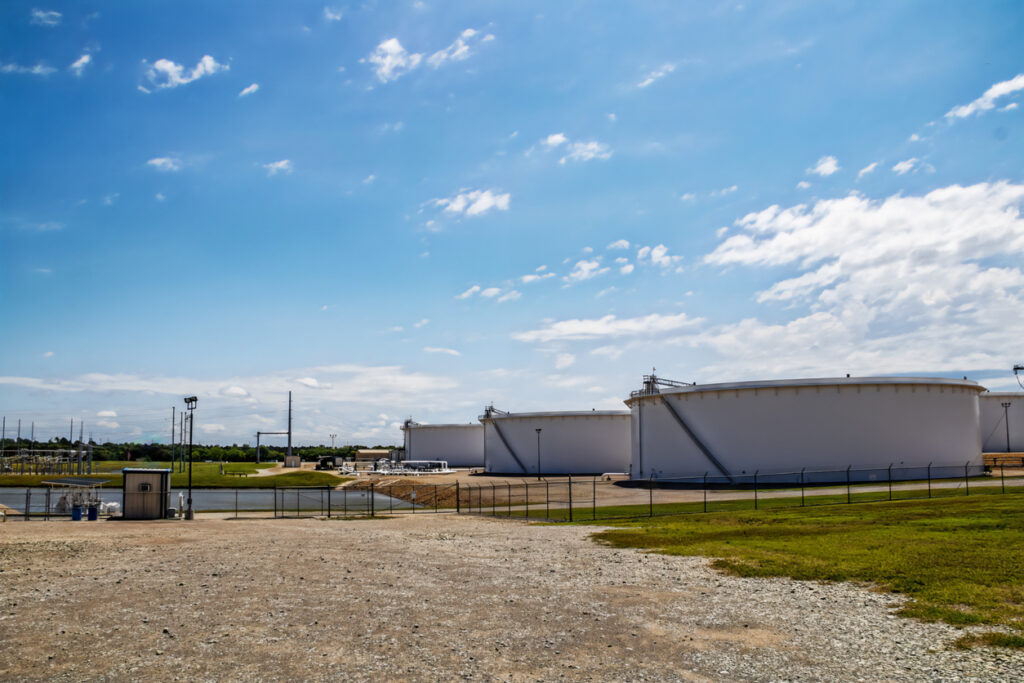
A Pivotal Shift in U.S. Energy Strategy Emerges
Washington D.C. is signaling a significant re-evaluation of the nation’s energy security posture, directly impacting crude oil markets and investment sentiment. A recent budget proposal from a key U.S. House committee outlines substantial financial commitments exceeding $1.5 billion towards the replenishment and ongoing maintenance of the Strategic Petroleum Reserve (SPR). This move comes after unprecedented drawdowns from the world’s largest emergency crude stockpile in 2022, prompting a legislative push to not only refill the reserve but also cancel a previously mandated sale of crude, signaling a clear shift in federal energy policy.
Bolstering the Strategic Petroleum Reserve: The Financial Blueprint
The House Energy and Commerce Committee’s comprehensive budget proposal, unveiled recently, earmarks a considerable $1.32 billion specifically for the acquisition of crude oil. This capital injection is intended to facilitate the critical process of replenishing the SPR, which serves as a vital safeguard against global supply disruptions. Additionally, the proposal allocates an extra $218 million to ensure the long-term operational integrity and maintenance of the SPR facilities. These financial commitments underscore a renewed focus on fortifying U.S. energy independence and resilience, a development keenly watched by investors in the oil and gas sector.
Refilling the Nation’s Emergency Stockpile: A Long-Term Vision
The current state of the SPR highlights the scale of the challenge. With a total storage capacity of approximately 727 million barrels, the reserve presently holds around 399 million barrels. This significant gap reflects the substantial sales undertaken in recent years. Back in March, U.S. Energy Secretary Chris Wright estimated that achieving the ambitious goal of fully replenishing the SPR, a target championed by former President Donald Trump to support domestic energy producers amidst periods of lower oil prices, could require an investment of roughly $20 billion and span several years. This long-term horizon for replenishment presents both potential price support for crude oil and sustained demand for domestic production, offering a clearer outlook for oil and gas investment portfolios.
Political Crosscurrents and Energy Policy
The legislative initiative from the House committee, which operates under the control of Republicans aligned with former President Trump, is not an isolated measure. It forms part of a broader budgetary strategy aimed at curtailing various grants and loan financing mechanisms established under former President Joe Biden’s signature climate legislation, the Inflation Reduction Act. This political backdrop is crucial for investors to understand, as shifts in administration often bring about significant changes in energy policy and regulatory frameworks. The Biden administration, a Democratic leadership, orchestrated a record sale of 180 million barrels from the SPR in 2022 following Russia’s invasion of Ukraine, a move that saw the reserve plummet to its lowest levels in four decades. The current House proposal, therefore, represents a direct counterpoint, prioritizing the rebuilding of strategic reserves over their use for short-term market stabilization.
Reversing Course: Canceling Future Mandated Sales
Further emphasizing the pivot towards strengthening the SPR, the House measure also includes a provision to repeal a congressionally mandated sale of 7 million barrels from the reserve. This specific sale was originally scheduled to occur through fiscal year 2027. The Biden administration had previously engaged with Congress to mitigate similar mandated sales in an effort to prevent SPR levels from falling even further. The proposed cancellation signals a concerted legislative effort to halt any further depletion of the national strategic reserve, aiming instead for a trajectory of steady recovery. For energy investors, this indicates a potential reduction in government-induced supply to the market over the coming years, which could have implications for crude oil price stability.
A New Approach to Crude Procurement: Indexed Pricing
In parallel with these legislative efforts, the Department of Energy (DOE) introduced a significant policy change regarding how it procures oil for the SPR. A proposal published in the Federal Register outlines a shift from a fixed-price contract model to an indexed-price system. Under this new framework, the actual purchase price of crude oil would fluctuate in tandem with prevailing market rates, rather than being locked in at a predetermined value. The Biden administration had previously favored fixed-price contracts, asserting that they streamlined and expedited the procurement process for the reserve. However, the DOE’s new proposed rule explicitly states that fixed-price contracts have “only served to unnecessarily create confusion in the industry,” suggesting a desire for greater market alignment and transparency in its buying operations. This new rule is slated to become effective within 60 days, unless it elicits “significant adverse comments” from stakeholders. This move towards market-responsive pricing could offer greater flexibility for suppliers and potentially influence bidding dynamics for future SPR replenishment contracts, an important consideration for companies involved in crude oil trading and supply.
Investment Implications for the Oil Sector
For investors navigating the complexities of the oil and gas markets, these policy shifts carry substantial weight. The commitment to invest over $1.5 billion in the SPR, coupled with the cancellation of future mandated sales and the adoption of indexed pricing, paints a picture of a federal government actively engaged in rebuilding national energy security. This sustained procurement effort could provide a consistent demand floor for crude oil in the domestic market, potentially offering support to oil prices, particularly during periods of market weakness. Domestic energy producers, especially those with access to infrastructure capable of supplying the SPR, may find new opportunities for long-term contracts. Moreover, the move to indexed pricing could foster a more dynamic and competitive procurement environment, benefiting agile market participants. As these policies unfold, their cumulative effect on U.S. energy policy, global crude oil balances, and the profitability of the oil and gas sector will be a critical area of focus for savvy investors looking to capitalize on evolving market conditions.