U.S. Reshoring Ambitions Falter as Energy Costs Undermine Tariff Strategy
The ambitious drive to reinvigorate American manufacturing, particularly within energy-intensive sectors, faces a significant setback as the intended benefits of aluminum tariffs fail to materialize. Despite a 25% levy on imported aluminum, the anticipated surge in domestic production remains elusive. Instead, market observers are witnessing a landscape where escalating operational expenses, chiefly for electricity, are compelling existing smelters to cease operations rather than stimulating the construction of new facilities or the reactivation of idle ones. This unfolding scenario carries profound implications for U.S. industrial policy, future energy demand, and the broader commodity markets, warranting close attention from astute investors.
Protectionism’s High Price: Elevated Costs, Stagnant Output
The financial ramifications of these protectionist measures on the physical aluminum market are unmistakable. While the London Metal Exchange (LME) serves as a global benchmark for aluminum pricing, the actual cost of acquiring the metal within the United States now incorporates a substantial regional delivery premium. This premium largely reflects the direct impact of the 25% tariff, creating a notable divergence from international pricing structures. For instance, analysts at JPMorgan have highlighted that European premiums year-to-date stand over 30% lower, underscoring the direct financial burden imposed by current U.S. trade policy on domestic consumers and industries.
Crucially, this amplified cost is not being absorbed by producers; rather, it functions as a “pass-through” expense that ultimately lands on American businesses and end-users. Trond Olaf Christophersen, CFO of Norway-based Hydro, a global aluminum giant, explicitly articulated this dynamic, noting the high probability of these costs translating into higher prices for U.S. consumers. Investors have already observed the market’s reaction, with Hydro’s stock experiencing an approximately 17% decline since the initial implementation of these tariffs. Further along the supply chain, companies like Thule Group, a customer of Hydro known for manufacturing cargo boxes, confirm this ripple effect. They have announced product price increases of roughly 10%, even for items largely produced domestically, attributing these hikes to soaring raw material costs for both steel and aluminum. This demonstrates a clear pattern of tariffs failing to achieve their domestic production goals while successfully inflating costs.
Energy Expenses: The Critical Hurdle for Domestic Smelting
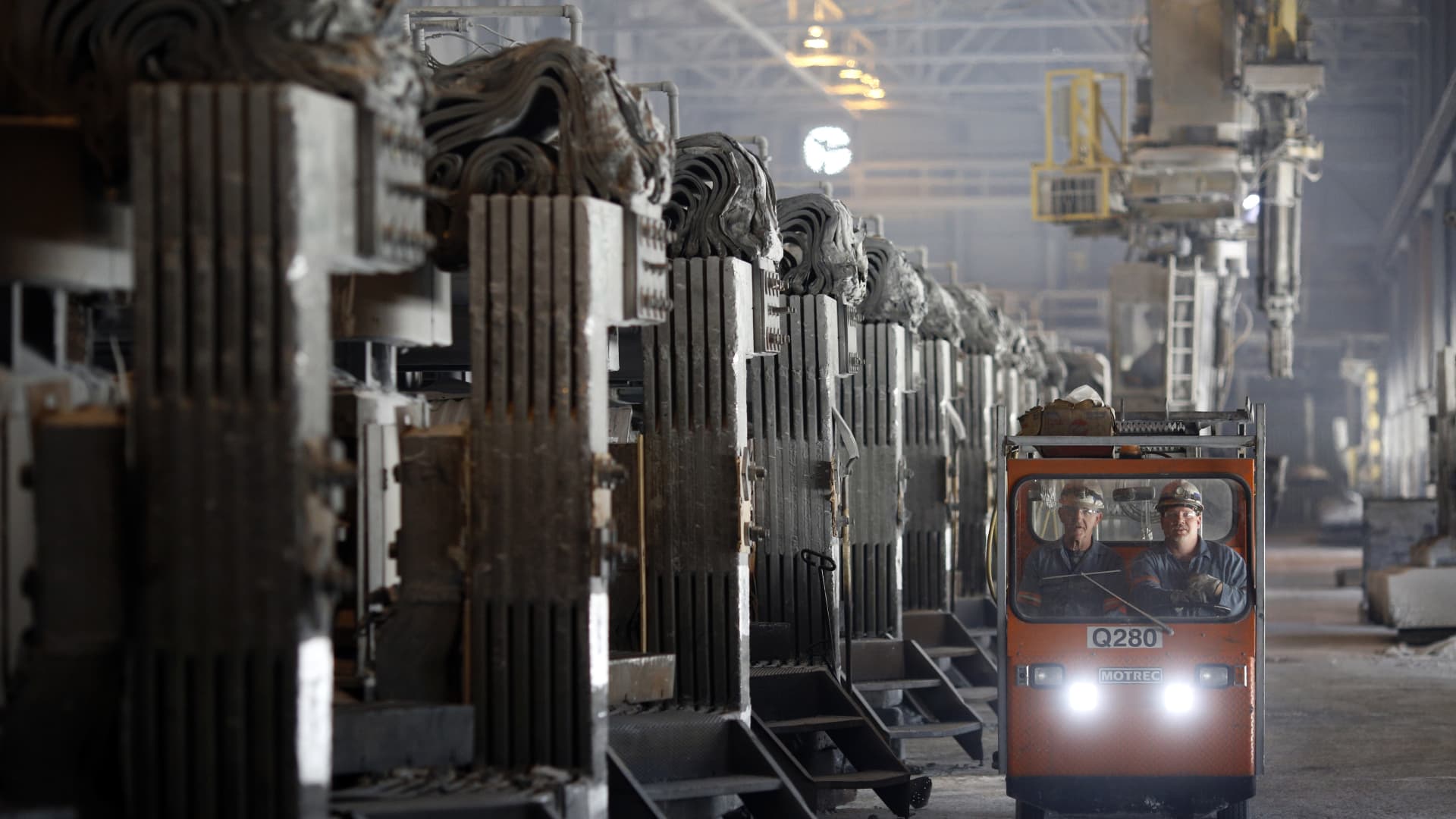
At the heart of the failure to revive domestic aluminum smelting—an inherently energy-intensive industrial process—lies the persistent challenge of accessing competitively priced, long-term power. Industry experts consistently pinpoint energy costs as the dominant variable in the overall economic viability of operating a smelter. Ami Shivkar, a principal analyst specializing in aluminum markets at Wood Mackenzie, succinctly emphasizes this point, stating, “High energy costs plague the US aluminium industry, forcing cutbacks and closures.” This structural disadvantage directly impacts investor confidence in U.S.-based aluminum production ventures.
A significant competitive disparity emerges when comparing the U.S.’s energy procurement strategies with those of its global rivals. Aluminum smelters in regions such as Canada, Norway, and the Middle East typically secure long-term energy contracts, often spanning decades, or operate their own integrated, captive power generation facilities. This allows them to lock in predictable, low-cost electricity, providing a stable foundation for their operational economics. In contrast, U.S. smelters frequently contend with fluctuating spot market prices or shorter-term agreements, exposing them to greater price volatility and often higher average costs. This fundamental difference in energy supply models creates an uphill battle for any U.S.-based aluminum producer attempting to compete on a global scale, rendering tariff protection largely ineffective against this core economic reality.
Investment Implications for U.S. Industrial Energy Demand
The persistent challenges in revitalizing U.S. aluminum production due to uncompetitive energy costs carry significant implications for the broader energy sector and investor outlooks. Stalled reshoring efforts mean that the anticipated surge in industrial electricity demand, often cited as a key growth driver for power generation and infrastructure, may not materialize as quickly or as substantially as proponents of manufacturing revival might hope. This directly affects investment decisions in new power plants, transmission grids, and even upstream natural gas production, which often fuels these facilities.
For investors focused on oil and gas, understanding these dynamics is crucial. While aluminum smelting is primarily electricity-driven, the generation of that electricity in many U.S. regions relies heavily on natural gas. A slowdown in industrial demand growth translates to potentially lower demand forecasts for natural gas in the power sector, impacting pricing, production targets, and the profitability of exploration and production companies. Furthermore, the broader narrative of U.S. industrial competitiveness is intrinsically linked to energy affordability, making this a critical factor in evaluating long-term investment opportunities across the industrial and energy landscapes.
The Path Forward: Policy Rethink and Energy Strategy
The current U.S. tariff policy on aluminum, while intended to bolster domestic industry, appears to be failing its primary objective. Instead of fostering growth, it has inadvertently increased costs for consumers and downstream manufacturers, all while failing to address the fundamental hurdle of high energy prices for primary metal production. For investors, this situation underscores the importance of a comprehensive energy strategy that complements trade policy. Without access to long-term, competitively priced power, attempts to reshore energy-intensive industries are likely to face insurmountable economic barriers.
Looking ahead, the effectiveness of U.S. industrial policy will depend heavily on its ability to integrate a robust, affordable energy component. This might entail investments in advanced nuclear, renewable energy sources with grid-scale storage, or even revisiting regulatory frameworks to facilitate long-term power purchase agreements for heavy industry. Until such fundamental energy cost disparities are addressed, the vision of a revitalized U.S. manufacturing base, particularly in sectors like aluminum, will likely remain an aspiration rather than a tangible reality, with direct consequences for commodity markets and the investment landscape.