

The European energy landscape is undergoing a profound transformation, with green and low-carbon hydrogen emerging as a cornerstone of future decarbonization efforts. Investors eyeing the burgeoning clean energy sector are closely watching recent developments out of Italy and France, where significant government aid packages, cleared by European Union regulators, are set to unlock billions in new production capacity. These strategic interventions signal robust market growth and compelling investment opportunities across the hydrogen value chain, from electrolysis technology to production facilities and infrastructure development.
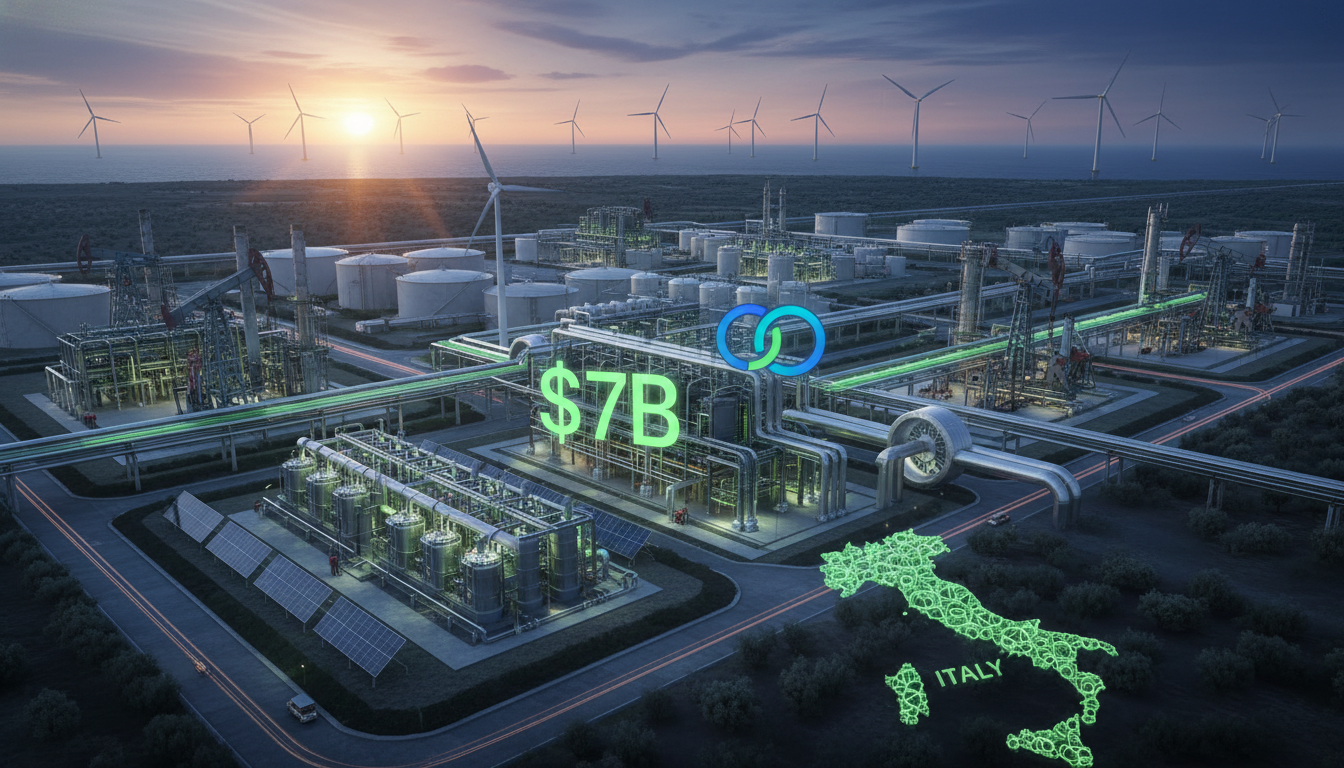
The European Commission recently greenlit a substantial EUR 6 billion (approximately $6.96 billion) support program from the Italian government, designed to catalyze the production of 200,000 metric tons of renewable hydrogen annually. This ambitious initiative, extending through 2029, is meticulously structured to attract private capital by mitigating investment risks. The aid mechanism, critically, takes the form of two-way contracts for difference (CfDs), a model that offers producers financial stability in a volatile energy market.
Under Italy’s CfD framework, a competitive bidding process will establish a specific “strike price” for hydrogen. This innovative structure safeguards producers by having the Italian state pay the difference if the market price for an alternative, conventional fuel falls below this agreed strike price. Conversely, if the alternative fuel’s price surpasses the strike price, beneficiaries will contribute the difference back to the state. This two-sided protection mechanism is particularly attractive to investors, as it hedges against both price downturns and excessive profits, ensuring a stable return profile and promoting long-term project viability. The European Commission underscored the necessity and appropriateness of this package, noting its crucial role in facilitating renewable hydrogen production vital for decarbonizing Italy’s transport and industrial sectors.
Eligibility for this Italian support extends broadly, encompassing hydrogen produced through electrolysis powered by renewable electricity, as well as hydrogen derived from biogenic sources via biological, bio-thermochemical, and thermochemical processes. This inclusive approach broadens the scope for technology innovation and diverse production pathways, creating a wider array of investment avenues within the Italian hydrogen economy. European Commission Executive Vice President Teresa Ribera highlighted the scheme’s potential to significantly contribute to a clean, just, and competitive energy transition, reinforcing the strategic importance of these investments for meeting broader climate objectives.
France Forges Ahead with Electrolytic Hydrogen Ambitions
Just prior to Italy’s clearance, France also received approval for its own substantial government aid program, targeting the development of one gigawatt (GW) of electrolytic hydrogen capacity. This French initiative is structured through three distinct bidding rounds, demonstrating a phased and strategic deployment approach designed to foster a robust domestic hydrogen industry. The initial tender alone commits an estimated budget of EUR 797 million to bring 200 megawatts (MW) of electrolysis capacity online, representing a significant upfront investment in hydrogen production infrastructure.
A key distinguishing feature of the French scheme is its deliberate focus: hydrogen produced under this program will be exclusively designated for direct industrial use. This strategic targeting aims to direct renewable and low-carbon hydrogen towards sectors where electrification alternatives are not yet economically viable, maximizing its impact on hard-to-abate emissions. This targeted approach provides clarity for industrial consumers and hydrogen producers alike, streamlining market development and ensuring efficient resource allocation. The aid mechanism in France deviates from Italy’s CfD model, opting instead for a fixed premium over a 15-year contract period. This ensures a predictable revenue stream for producers, offsetting the higher electricity costs associated with producing renewable and low-carbon hydrogen compared to its fossil fuel counterparts.
Companies participating in the French scheme must rigorously comply with stringent EU criteria for the production of Renewable Fuels of Non-Biological Origin (RFNBOs) and low-carbon fuels, as outlined in recently adopted delegated acts. This commitment to sustainability and regulatory adherence bolsters investor confidence by ensuring that projects align with the highest environmental standards. France’s long-term hydrogen strategy aims to achieve an impressive 4.5 GW of electrolyzer capacity by 2030, further scaling up to 8 GW by 2035. These targets underscore a profound national commitment to hydrogen, projecting an annual avoidance of up to 1,100 kilotons of CO2, a crucial contribution to France’s EU climate obligations.
EU’s Vision for a Hydrogen-Powered Future and Investment Implications
These national initiatives in Italy and France are not isolated efforts but integral components of the European Union’s ambitious Hydrogen Strategy, initially adopted in 2020. The overarching EU goal is to establish 10 million metric tons of renewables-fueled hydrogen production capacity by 2030, supported by the installation of at least 40 GW of electrolysis capacity across the bloc within the same timeframe. This broad strategic vision provides a powerful backdrop for investors, demonstrating a unified political will and a clear roadmap for hydrogen market expansion.
For investors in the oil and gas sector, this burgeoning European hydrogen market represents a critical pivot point and a compelling diversification opportunity. Companies with expertise in large-scale project development, energy infrastructure, and industrial gas production are particularly well-positioned to capitalize on these multi-billion-euro commitments. The guaranteed support mechanisms, whether through CfDs in Italy or fixed premiums in France, significantly de-risk early-stage investments in hydrogen production and related technologies. Furthermore, the focus on industrial and transport sector decarbonization opens doors for specialized solutions providers and technology innovators. As Europe aggressively pursues its climate targets and seeks greater energy independence, investments in hydrogen are not merely environmentally conscious but strategically sound, promising long-term growth and stable returns in a rapidly evolving global energy landscape.
