Geopolitical Tensions Drive Sharp Increase in Fuel Prices, California at Forefront
Investors are closely monitoring a significant escalation in U.S. fuel prices, with California experiencing particularly acute surges in both gasoline and diesel costs. These market movements are directly tied to heightened geopolitical instability in the Middle East, particularly the conflict involving the U.S., Israel, and Iran, which began in late February. The rapid ascent of energy commodity prices underscores the oil market’s inherent sensitivity to supply chain vulnerabilities and regional conflicts, prompting a re-evaluation of inflationary pressures and their potential impact on economic growth and corporate earnings.
California Drivers Face Unprecedented Pump Pain as Gasoline Soars
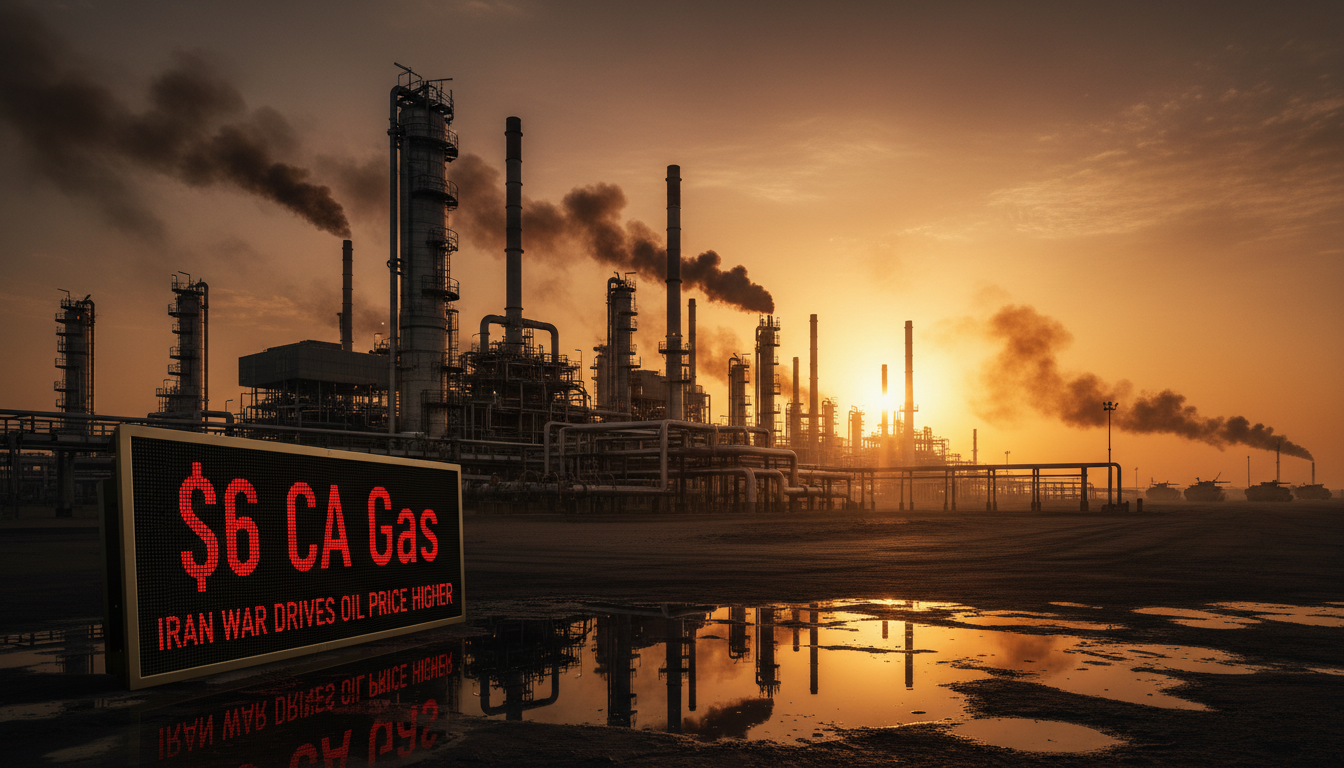
The Golden State has once again become the epicenter of fuel price increases, with average gasoline prices hitting a staggering $6.01 per gallon on Thursday. This represents a substantial 30% increase since the outbreak of hostilities in late February, reflecting a combination of global crude oil price spikes and California’s unique market dynamics. This current pricing level marks the highest point for California motorists since October 2023, signaling a return to the peak price volatility experienced just a few months prior. The state’s strict environmental regulations, requiring specialized fuel blends, coupled with higher taxes and often constrained refining capacity, typically contribute to its elevated fuel costs. However, the recent geopolitical premium has exacerbated these foundational factors, putting significant pressure on consumer discretionary spending and potentially impacting the state’s robust economic activity.
Diesel’s Critical Role Underlines Economic Risk as Prices Skyrocket
The surge in diesel prices presents an even more concerning economic indicator for investors. On Thursday, the average cost of diesel in California reached approximately $7.50 per gallon, a shocking 47% increase since the conflict commenced on February 28. Diesel fuel is the undisputed lifeblood of the global economy, powering the vast majority of commercial transportation, including freight trucks, trains, and maritime shipping. This dramatic rise in diesel expenses directly translates into higher operational costs for logistics companies, manufacturers, agricultural producers, and retailers. Consequently, the upward trajectory of diesel prices poses a direct threat of amplified inflationary pressures across virtually every sector of the economy, as businesses are forced to pass these increased transportation costs onto consumers. For investors, monitoring diesel price trends is crucial for assessing potential impacts on corporate profit margins, particularly within the industrial, retail, and transportation sectors, and for gauging broader economic health.
National Averages Reflect Widespread Market Upheaval
The price shock extends beyond California, with national gasoline averages also experiencing a rapid ascent. Across the United States, drivers paid an average of $4.30 per gallon on Thursday, marking a significant 27-cent increase from $4.03 just one week prior. This swift weekly climb underscores the broad-based impact of rising crude oil benchmarks and tightening refined product markets. While certain regions may experience less severe increases due to localized supply dynamics, the overall trend points to a robust pricing environment driven by global factors. This national upward trend in fuel costs can influence consumer sentiment, potentially leading to reduced discretionary spending and impacting sectors reliant on consumer activity.
Geopolitics and the Strait of Hormuz: A Volatile Catalyst for Oil Markets
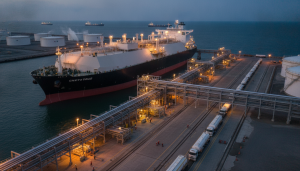
The primary catalyst for these dramatic price movements remains the intensified geopolitical confrontation involving the U.S., Israel, and Iran. Initially, there was a fleeting period of optimism in the markets, leading to a temporary easing of oil prices, as traders speculated on the possibility of a swift resolution or de-escalation of the conflict. However, this hopeful sentiment evaporated as it became clear that Iran was not moving to reopen the Strait of Hormuz, a critical maritime choke point that serves as one of the most vital oil export corridors in the world. Approximately one-fifth of the world’s total petroleum consumption, including crude oil and refined products, transits through this narrow waterway daily.
The threat or actual disruption to shipping in the Strait of Hormuz holds immense implications for global oil supply. Any perceived risk to this crucial channel immediately injects a substantial geopolitical risk premium into crude oil futures, pushing benchmark prices like Brent and WTI higher. The failure to secure the Strait’s unrestricted passage for oil shipments has consequently reignited fears of supply shortages and driven up crude oil prices, which in turn directly translates to higher costs for gasoline and diesel at the pump. Investors in energy markets must remain acutely aware of developments in this region, as they hold the power to swiftly recalibrate global supply-demand balances and exert significant influence on commodity pricing.
Investment Implications and Forward Outlook
For investors, the current landscape presents both challenges and opportunities. Exploration and production (E&P) companies may see boosted revenue prospects from higher crude oil prices, potentially translating into improved earnings. However, refining margins can be volatile, as the pace of crude price increases might outstrip the ability to pass on costs to consumers for refined products. The broader economy faces inflationary headwinds, which central banks may address through monetary policy adjustments, impacting equity markets and bond yields. Monitoring inventory levels, refinery utilization rates, and global demand indicators alongside geopolitical headlines will be critical for navigating this volatile environment.
Looking ahead, the trajectory of fuel prices remains highly dependent on the geopolitical situation. Any further escalation in the Middle East could send crude oil and refined product prices even higher, tightening global supply and increasing the risk of demand destruction due to unsustainable costs. Conversely, a genuine de-escalation could see prices retreat, though the market will likely retain a risk premium until long-term stability is assured. Investors should prepare for continued volatility in the oil and gas sector, with significant capital flows influenced by these rapidly evolving international dynamics and their direct impact on the global energy supply chain.