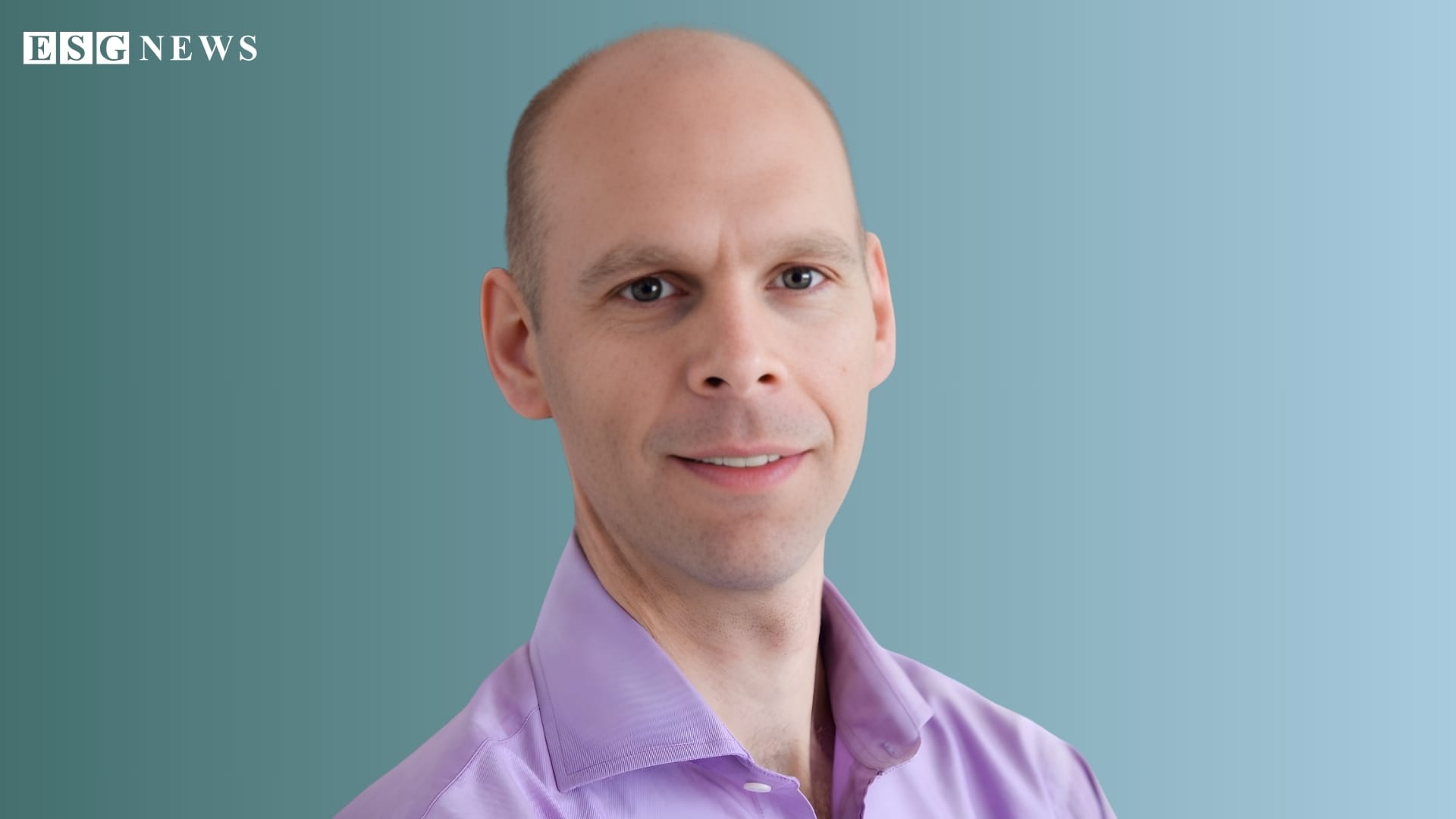
By Jonathan Orchard in cooperation and edited by ESG News Editorial Team
Why human health may be the most overlooked lever in ESG strategy
Environmental, Social and Governance frameworks have transformed how we evaluate long-term business resilience. Climate risk, supply chain transparency, and governance structures rightly dominate the conversation.
But there is a blind spot hiding in plain sight.
The most important asset on any company’s balance sheet is not infrastructure, intellectual property, or even capital – it is human capability. And yet, workforce health and longevity rarely receive the strategic attention they deserve within ESG discussions.
If sustainability is about durability, then human health is its foundation.
Here are five reasons longevity thinking may be the next frontier of sustainable business performance.
1. Human capital is the ultimate compounding asset
In knowledge-driven economies, productivity depends on cognitive clarity, emotional resilience and physical stamina.
When employees experience chronic stress, metabolic dysfunction, fatigue or burnout, performance quietly erodes. Absenteeism rises. Decision quality declines. Innovation slows.
Longevity is not simply about extending lifespan. It is about extending healt span – the number of years an individual remains energetic, capable and resilient.
From an ESG perspective, protecting human health is not a soft benefit. It is a long-term value strategy.
Companies that invest in sustainable workforce wellbeing are not engaging in corporate altruism -they are safeguarding their most critical asset.
2. Prevention is more sustainable than intervention
Modern corporate healthcare spending is largely reactive. Businesses bear the cost of chronic disease, stress-related illness, and burnout after performance has already declined.
This model is economically inefficient.
Preventative health – adequate nutrition, stress management, metabolic support, and lifestyle education – reduces long-term strain on both companies and public systems.
The sustainability parallel is clear. Just as preventative environmental action costs less than remediation, preventative human health strategies are more efficient than crisis management.
A workforce designed for resilience is more stable, adaptable and capable of navigating volatility.
3. Biological inputs determine organizational outputs
Seventeen years ago, I became deeply interested in how nutrient delivery systems affected real-world outcomes. It became evident that many traditional approaches to supplementation were limited not by the quality of ingredients, but by absorption. If the body cannot effectively utilize what it is given, performance will not improve.
The lesson extends beyond nutrition.
In business, sustainability initiatives often fail not because of intention, but because of ineffective delivery. Capital misallocation, poor communication and short-term incentives prevent resources from reaching the systems they are meant to strengthen.
Whether we are discussing nutrients in the body or capital within an enterprise, bioavailability matters. Effective delivery determines results.
Longevity thinking forces leaders to ask: Are we structuring systems so that our inputs truly reach where they are needed?
4. Short-Term incentives deplete long-term value
Many businesses unintentionally deplete human capital in pursuit of quarterly performance targets.
Long hours, high stress cultures, and inadequate recovery time may drive short-term output. But over time, they erode resilience.
This mirrors environmental depletion. Extractive models may generate immediate returns but undermine durability.
Longevity-oriented governance requires a shift in time horizon. Boards and executives must evaluate not only this quarter’s earnings, but the physiological and psychological sustainability of their workforce over the next decade.
When companies protect employee vitality, they reduce turnover, preserve institutional knowledge, and strengthen long-term innovation capacity.
Time horizon is a governance issue – and longevity is a governance metric.
5. The longevity dividend is macroeconomic
Ageing populations present one of the defining economic challenges of the coming decades. Healthcare systems are strained. Productivity growth is uneven. Chronic disease burdens continue to rise globally.
Extending healthspan changes the equation.
Healthier populations work longer, contribute more consistently, and require fewer intensive interventions. This reduces pressure on public finances and strengthens economic stability.
For investors, longevity is not a wellness trend. It is a macroeconomic variable.
Companies that integrate preventative health, intelligent nutrition, and sustainable performance models into their culture will likely be better positioned in an era defined by demographic transition.
A Broader view of ESG
The “E” in ESG addresses planetary health.
The “G” addresses structural integrity.
But the “S” – the social dimension – must increasingly account for biological sustainability.
We cannot speak credibly about sustainable systems while overlooking the sustainability of the people operating them.
Human beings are not interchangeable units of productivity. They are complex biological systems. When supported intelligently, they generate extraordinary value. When neglected, the costs compound quietly but significantly.
Longevity thinking invites a reframing:
From output to resilience
From extraction to regeneration
From short-term gain to multi-decade durability
In this light, workforce health is not a peripheral HR initiative. It is a strategic pillar of sustainable enterprise performance.
If ESG is about future-proofing business, then investing in human longevity may be one of the most pragmatic and economically sound decisions leaders can make.
The companies that endure will not only reduce emissions and strengthen governance. They will design environments in which people can thrive – physically, mentally, and cognitively – for the long term.
Sustainability, ultimately, begins with biology.
About the Author: Jonathan Orchard, Founder of Abundance and Health – 26 years of practicing in traditional Chinese Medicine and Nutrition in the UK. 17 yrs ago he was one of the very first people identify Liposomal delivery of Vitamins as a game changer for nutrient delivery and though his company brought the benefits of Liposomal supplements to the European and UK market, sparking a worldwide movement towards these new forms of Supplementation.