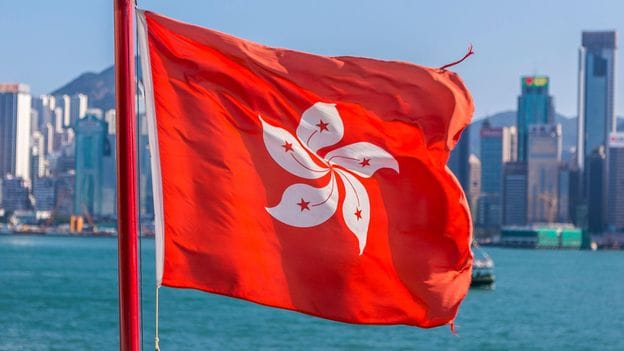
The recent HK$10 billion (USD1.28 billion) multi-currency digital green bond issuance by the Hong Kong SAR Government is far more than a technical financial innovation; it represents a powerful and escalating signal for oil and gas investors. This record-sized digital bond offering, which saw institutional demand outpace availability tenfold with subscriptions exceeding HK$130 billion, underscores a profound shift in global capital allocation. As traditional energy markets grapple with volatility and evolving regulatory landscapes, the rapid expansion of green finance, bolstered by advanced digital infrastructure, is increasingly siphoning investment away from fossil fuels, compelling a reassessment of long-term energy portfolios.
The Green Finance Onslaught: A Growing Headwind for Fossil Fuels
Hong Kong’s latest move into digital green bonds is a stark reminder of the accelerating momentum behind sustainable finance. This issuance, notable for its scale and the expansion of tenors to five years, demonstrates a growing institutional appetite for climate-aligned investments. Insurers, pension funds, and global asset managers, many entering the digital bond market for the first time, are actively seeking avenues that offer both competitive returns and alignment with environmental, social, and governance (ESG) mandates. The government’s dual priorities – solidifying its green finance hub status and embracing programmable, tokenized capital markets – directly challenge the conventional wisdom that has long underpinned fossil fuel investments.
For oil and gas investors, this trend translates into several critical pressures. Firstly, the sheer volume of capital flowing into green instruments means less available for traditional hydrocarbon exploration and production, potentially increasing the cost of capital for new projects. Secondly, the broadening participation of institutional investors signifies a systemic, not merely niche, move away from assets perceived as high-carbon or environmentally risky. This evolving investment landscape could lead to higher discount rates for fossil fuel assets, impacting valuations and making long-term planning significantly more complex. The robust demand for these green bonds confirms that the energy transition is not just a policy aspiration but a tangible, market-driven redirection of global wealth.
Digital Finance Innovations: Accelerating the Capital Shift
Beyond its green credentials, the Hong Kong digital bond issuance sets new benchmarks in financial technology that could further accelerate the energy transition. The integration of tokenized central bank money (e-HKD and e-CNY) directly into primary bond settlement for the HKD and RMB tranches marks a global first. This innovation dramatically shortens settlement times, reduces counterparty exposure, and lowers operational costs – efficiencies that make digital financial instruments inherently more attractive to a broad array of investors. The multi-currency structure, spanning HKD, RMB, USD, and EUR, further broadens accessibility and appeal.
While seemingly technical, these advancements have profound implications for capital markets and, by extension, the energy sector. A more efficient, transparent, and globally interoperable digital finance ecosystem can facilitate easier and faster deployment of capital into green initiatives. As regulatory bodies worldwide explore wholesale central bank digital currency (CBDC) pilots, Hong Kong’s success provides a compelling proof point. This could eventually lead to a more frictionless flow of capital towards sustainable projects, further reducing the comparative advantage of legacy financing structures often relied upon by the fossil fuel industry. Oil and gas companies looking to attract future investment will need to not only demonstrate strong ESG credentials but also understand and potentially integrate with these evolving digital capital market structures.
Navigating Crude Volatility Amidst Shifting Tides
The burgeoning green finance market unfolds against a backdrop of significant volatility in traditional energy commodities. As of today, Brent Crude trades at $90.38 per barrel, marking a notable 9.07% decline, while WTI Crude sits at $82.59, down 9.41%. This sharp daily contraction extends a broader bearish trend, with Brent having shed $22.4, or nearly 20%, from its $112.78 high just two weeks ago. Such dramatic price swings highlight the inherent risks and uncertainties that continue to plague the fossil fuel sector.
Our proprietary reader intent data at OilMarketCap.com reflects this acute investor concern, with questions like “is WTI going up or down” and “what do you predict the price of oil per barrel will be by end of 2026” dominating inquiries this week. Investors are clearly seeking clarity amidst the turbulence, looking for signals on short-term movements and long-term price anchors. This persistent volatility, coupled with the allure of stable, institutionally-backed green bonds, creates a stark contrast in investment appeal. Capital that prioritizes stability and predictable long-term growth is increasingly gravitating towards the green sector, leaving traditional oil and gas to contend with both market-driven price fluctuations and the mounting pressures of energy transition.
Upcoming Events: Short-Term Drivers in a Long-Term Transition
While the Hong Kong digital green bond issuance signals a long-term structural shift, the immediate future for crude prices will be heavily influenced by a packed calendar of industry events. Investors should closely monitor the OPEC+ Joint Ministerial Monitoring Committee (JMMC) Meeting on April 19th, followed by the full OPEC+ Ministerial Meeting on April 20th. These gatherings often dictate production quotas and market sentiment, and any unexpected decisions on supply could significantly impact crude prices, potentially offering a floor or further downside pressure following the recent declines.
Furthermore, the weekly API and EIA inventory reports on April 21st, 22nd, 28th, and 29th will be crucial. These snapshots of U.S. crude stocks provide vital insights into supply-demand balances, and any significant inventory builds could exacerbate bearish sentiment given the current price weakness. The Baker Hughes Rig Count reports on April 24th and May 1st will also be closely watched for signs of production responses to lower prices. While these events will shape near-term trading dynamics, they must be viewed within the broader context of the accelerating energy transition and the growing capital shift exemplified by Hong Kong’s green finance leadership. Savvy investors will understand that short-term gains or losses in crude need to be balanced against the undeniable, long-term trajectory of global capital towards sustainable assets.


