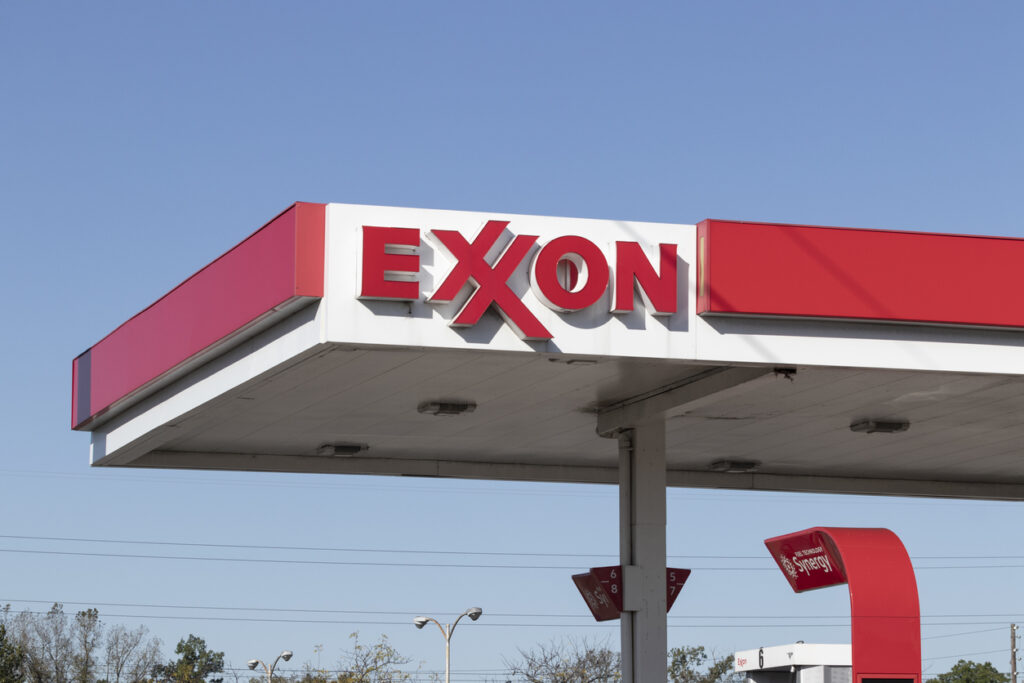
Exxon Mobil (XOM) is making a calculated play to recover a substantial $4.6 billion write-down incurred from its 2022 exit from Russia. Recent developments indicate the U.S. oil major has signed a non-binding initial agreement with Russian state-run energy giant Rosneft, marking a tentative yet significant step toward mending commercial ties amidst ongoing geopolitical tensions. This move, years in the making and reportedly sanctioned by both the Trump and Biden administrations, highlights Exxon’s long-term strategic vision for asset recovery, even as the path to a final resolution remains heavily dependent on a potential peace deal in Ukraine and the easing of international sanctions.
Exxon’s Strategic Gambit: Reclaiming Billions in the Balance
The core of Exxon’s initiative revolves around recouping the $4.6 billion impairment charge taken in April 2022. This loss stemmed from its 30% operator stake in the Sakhalin-1 oil and gas project off Russia’s Pacific coast, a critical asset that represented 150 million barrels of proven oil equivalent reserves. CEO Darren Woods confirmed last week that discussions aimed at recovering these losses have been ongoing since 2023, culminating in the recent non-binding agreement reportedly signed in late August or early September. While Rosneft has been cagey about confirming details, the very existence of these talks underscores Exxon’s unwavering commitment to shareholder value, even in the face of profound geopolitical challenges. This initial agreement merely sets the terms for future negotiations, emphasizing that any substantial progress hinges on a significant de-escalation of the conflict and the subsequent relaxation of sanctions imposed on Russia and entities like Rosneft and its CEO, Igor Sechin.
Market Volatility and the Long View on Oil Investments
Exxon’s pursuit of this agreement unfolds against a backdrop of considerable volatility in the global energy markets. As of today, Brent crude trades at $90.38 per barrel, marking a significant daily decline of 9.07%, while WTI crude sits at $82.59, down 9.41% within the same period. This recent downturn follows a broader trend, with Brent having fallen from $112.78 on March 30 to $91.87 just yesterday, April 17, representing an 18.5% drop in less than three weeks. Such price swings underscore the inherent risks and geopolitical sensitivities that define the oil and gas sector. For investors, this environment creates a complex calculus: does the current market softness make a long-term asset recovery play like Exxon’s more or less appealing? While immediate market conditions may pressure short-term earnings, Exxon’s move appears to be a bet on the long-term strategic value of these reserves and a eventual return to stability, highlighting the company’s preparedness to navigate the cyclical nature of energy prices and geopolitical shifts.
Upcoming Events and Geopolitical Crossroads
The potential for Exxon to ultimately recover its Russian assets is inextricably linked to broader geopolitical developments and the supply-demand dynamics shaping global energy markets. Investors are keenly watching the upcoming OPEC+ meetings, with the Joint Ministerial Monitoring Committee (JMMC) scheduled for April 18 and the full Ministerial Meeting on April 19. These gatherings are critical, as any decisions on production quotas could significantly impact global supply, influencing crude prices and the overall economic climate in which such complex international agreements might be finalized. Beyond OPEC+, weekly data from the API and EIA on crude inventories (April 21, 22, 28, 29) and the Baker Hughes Rig Count (April 24, May 1) will offer crucial insights into short-term supply and demand trends. While these reports won’t directly impact the Exxon-Rosneft talks, they will shape the market sentiment and economic environment, potentially influencing the political will required for a peace deal in Ukraine and the subsequent relaxation of sanctions necessary for Exxon’s agreement to move beyond its non-binding status.
Addressing Investor Concerns: Risk, Reserves, and Long-Term Value
Our proprietary reader intent data reveals that investors are deeply focused on future market trajectories and the stability of global energy supply. Questions such as “what do you predict the price of oil per barrel will be by end of 2026?” and “What are OPEC+ current production quotas?” highlight a pervasive interest in long-term oil price forecasts and the mechanisms controlling global supply. Exxon’s pursuit of this Rosneft agreement, despite its high-risk profile, directly addresses these concerns by signaling a commitment to securing future reserves and mitigating past losses. While the immediate geopolitical hurdles are significant, XOM’s strategy reflects a long-term outlook where 150 million barrels of proven reserves hold substantial value. For a company of Exxon’s scale, maintaining a robust resource base is paramount for sustained growth and shareholder returns. This strategic maneuver, therefore, can be viewed as a calculated gamble, acknowledging current market volatility and geopolitical risks, but ultimately betting on a future where these valuable assets can once again contribute to its portfolio, aligning with investor demands for long-term growth and supply security.