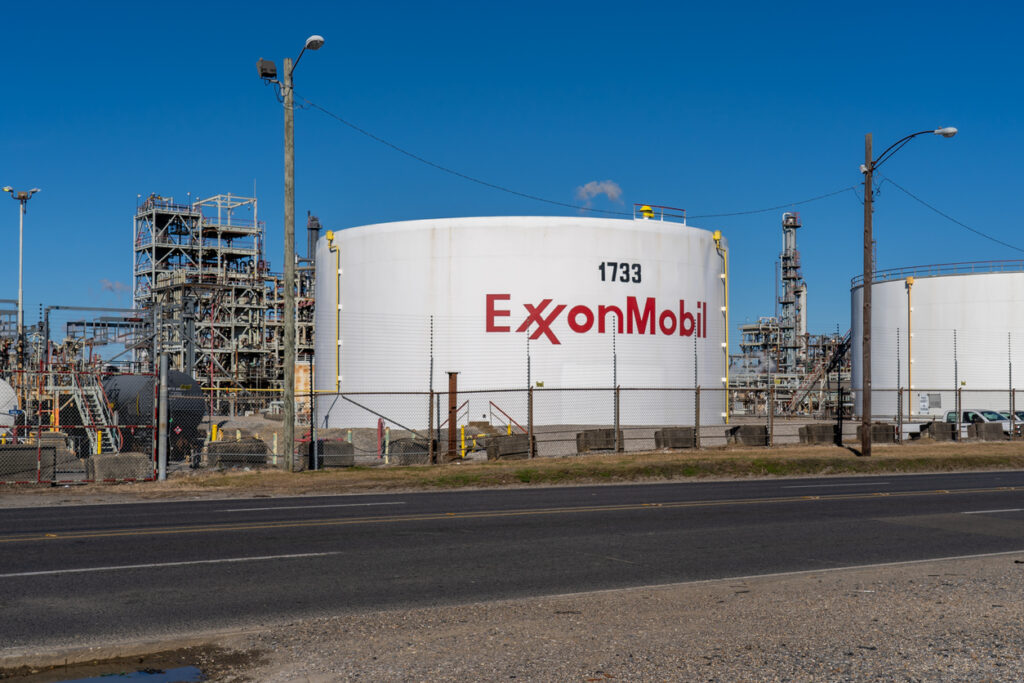
ExxonMobil’s recent earnings guidance has sent a clear signal across the energy sector: the volatility of commodity prices continues to shape profitability. The integrated supermajor anticipates a significant $1.5 billion reduction in its second-quarter earnings, a direct consequence of lower oil and gas prices compared to the preceding quarter. This projection, while aligned with analyst expectations, underscores the challenging environment facing even the most resilient players in the global energy market and highlights the critical importance of strategic positioning amidst fluctuating market dynamics.
The Price Headwind: Unpacking Oil and Gas Impacts
The core of ExxonMobil’s projected earnings hit stems from a substantial decline in both crude oil and natural gas prices. Our proprietary market intelligence indicates that roughly $1 billion of the anticipated reduction is attributable to crude price movements, with an additional $500 million impact from gas prices. This substantial headwind mirrors broader industry trends, as evidenced by European peer Shell Plc’s guidance toward “significantly lower” trading earnings, albeit from different operational exposures. The recent trajectory of crude markets provides critical context: our proprietary data reveals Brent crude has experienced a notable downturn, sliding from $102.22 on March 25th to $93.22 by April 14th, marking an almost 9% decline within two weeks. This sustained downward pressure during the quarter directly translates into reduced revenue realizations for major producers. As of today, Brent crude is trading at $94.77, reflecting a marginal daily dip of 0.02% within a range of $91 to $96.89, while WTI crude sits at $90.93, down 0.38% from its daily high, further illustrating the persistent softness in crude benchmarks that has characterized the period.
Refining Margins Offer a Partial Buffer Amidst Volatility
While upstream segments face commodity price pressures, ExxonMobil’s integrated model provides some insulation through its downstream operations. The company expects refining margins to contribute approximately $300 million to earnings, partially offsetting the much larger hit from crude and gas prices. This resilience in refining is a crucial aspect for investors to consider, especially given the sector’s historical ability to capitalize on specific market conditions. Our proprietary reader intent data reveals keen investor interest in global refinery utilization, particularly the operational status of Chinese “teapot” refineries, which are significant drivers of regional product demand and global refining economics. Strong refining margins suggest robust demand for refined products like gasoline, which currently trades at $2.99, up 0.67% today. This positive contribution from refining highlights the strategic advantage of diversified energy portfolios, acting as a natural hedge against pure commodity price exposure. It is important to note, as the company clarified, this guidance strictly pertains to market pricing signals and does not account for operational efficiencies or changes in production volumes.
Navigating Macro Crosscurrents: Supply, Geopolitics, and Investor Sentiment
The broader energy market has been a landscape of complex crosscurrents. Factors such as larger-than-expected supply increases from OPEC and its allies, coupled with geopolitical uncertainties and global trade dynamics, have significantly influenced price trajectories. While temporary geopolitical flare-ups, such as the US and Israeli attacks on Iran, offered fleeting price uplifts, the overarching trend has been one of market rebalancing, often leaning towards oversupply perceptions. This volatile environment directly challenges the industry’s ability to maintain the elevated free cash flow levels seen in 2022, which allowed companies to significantly boost shareholder returns through dividends and share buybacks. The current climate puts pressure on these capital return programs, forcing a re-evaluation of financial strategies. For investors focused on long-term value, understanding these macro forces is paramount, as they dictate not only quarterly earnings but also the sustainability of capital allocation decisions.
Forward Outlook: Key Events Shaping the Next Quarter’s Trajectory
The immediate future for oil and gas markets is replete with critical events that will undoubtedly influence price action and investor sentiment. Our proprietary calendar of upcoming energy events highlights several key dates that demand close attention. This Friday, April 17th, brings the latest Baker Hughes Rig Count, offering insights into North American drilling activity and potential future supply. More significantly, the OPEC+ Joint Ministerial Monitoring Committee (JMMC) meets on April 18th, followed by the full OPEC+ Ministerial Meeting on April 20th. These gatherings are pivotal; any signals regarding production quotas, compliance levels, or future supply strategies will send ripples through the market. Investors will be scrutinizing for any signs of deepened cuts or, conversely, a relaxation of current agreements, which could either tighten or loosen global supply balances. Furthermore, the weekly API and EIA crude inventory reports, starting April 21st and 22nd respectively, will provide continuous updates on U.S. supply and demand dynamics, offering immediate insights into market rebalancing efforts. These forthcoming data points and policy decisions are essential for building robust forward-looking models and will heavily influence the trajectory of crude prices in the coming weeks and months.
Addressing Investor Concerns: Price Forecasts and Strategic Positioning
A primary concern among our investor community, as evidenced by proprietary reader intent data, centers on building a robust Brent price forecast for the upcoming quarter and understanding the consensus 2026 outlook. ExxonMobil’s guidance provides a stark reminder that even supermajors are highly sensitive to commodity price fluctuations. For investors seeking to develop their own price forecasts, the confluence of OPEC+ decisions, global economic growth projections (especially from key demand centers like China), and ongoing geopolitical tensions will be critical. The market’s current trajectory, reflecting a significant drop in Brent crude over the past fortnight, suggests a challenging base for Q2, yet upcoming supply-side interventions or demand surges could quickly shift the landscape. While a definitive consensus 2026 Brent forecast remains fluid, the current environment emphasizes the need for a dynamic investment strategy, prioritizing companies with strong balance sheets, diversified revenue streams (like Exxon’s refining segment), and a clear path to managing capital returns amidst price volatility. Understanding the nuances of these market drivers, rather than relying on static predictions, will be key to navigating the opportunities and risks inherent in oil and gas investing.