China Prioritizes Energy Security Amidst Economic Rebalancing: A Strategic Imperative for Global O&G
Beijing’s recent high-level dialogue with influential global CEOs underscores a critical strategic pivot for the world’s second-largest economy: an unwavering commitment to fortifying its energy supply security and resilience. For oil and gas investors, the presence of Saudi Aramco’s top executive at this pivotal gathering sends an unambiguous signal. China now unequivocally positions crude oil and natural gas as indispensable pillars supporting its economic stability and broader supply chain resilience, especially as global uncertainties continue to escalate.
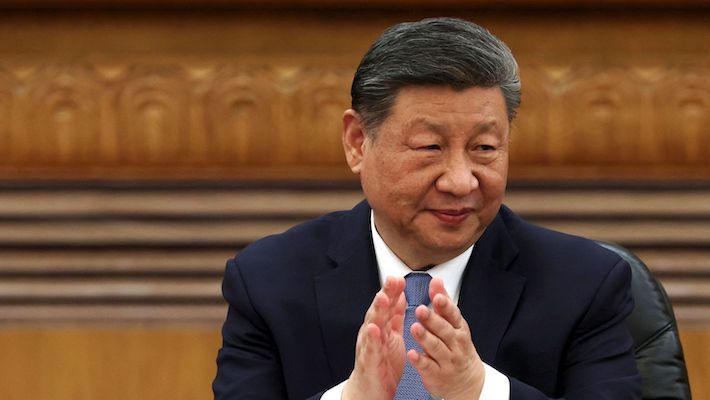
President Xi Jinping addressed an exclusive cohort of approximately 40 international business leaders, emphasizing a shared global responsibility to “maintain the stability of global industry and supply chains.” He framed this objective as an essential guarantee for the healthy progression of the world economy. This sentiment resonates profoundly within the energy sector, where geopolitical realignments, logistical bottlenecks, and demand fluctuations can dramatically influence pricing, supply dynamics, and critical investment decisions. Energy market participants must recognize this as a clear directive from a nation that remains a colossal consumer of global hydrocarbons.
Navigating Complex Economic Currents and Geopolitical Pressures
China’s economic trajectory has encountered considerable turbulence in recent years. The economy continues to grapple with the lingering aftershocks from extensive post-COVID lockdowns, which stifled domestic consumption and industrial output. Simultaneously, the multifaceted impact of US tariffs, initially imposed by the previous administration and still largely in place, has fueled anxieties regarding renewed trade tensions, contributing to a discernible deceleration in China’s economic momentum. Beyond these external pressures, Beijing’s internal policy decisions—including a tightening regulatory environment, abrupt crackdowns on specific foreign entities, and an often-uneven competitive landscape that frequently favors state-owned enterprises—have significantly eroded foreign business sentiment and, consequently, foreign direct investment.
These challenges carry direct and profound implications for global energy markets. A robust and expanding Chinese economy directly translates into sustained and increasing energy demand, particularly for crude oil and natural gas. Conversely, any economic slowdown or contraction introduces significant demand-side risks that astute energy investors must meticulously assess and factor into their portfolios. President Xi’s recent outreach to global business leaders, therefore, signifies a strategic and deliberate pivot, designed to reassure international capital and expertise, recognizing its vital role in underpinning China’s continued growth trajectory and, by extension, its energy consumption requirements.
Reassuring Global Business Leaders: A High-Stakes Strategic Dialogue
The meeting, which spanned just over 90 minutes, assembled an influential and diverse group of executives from across various sectors, including pharmaceuticals, logistics, and automotive. Notable attendees included the Chief Executive of AstraZeneca, leaders from FedEx and Standard Chartered, the CEO of Toyota, Mercedes-Benz CEO Ola Kallenius, and FedEx’s Raj Subramaniam, who held a prominent position directly across from President Xi. Also seated in the front row were HSBC CEO Georges Elhedery, SK Hynix boss Kwak Noh-jung, and Hitachi chair Toshiaki Higashihara. This broad representation underscores China’s interest in holistic supply chain stability, with energy at its core.
Crucially for the global oil and gas sector, Saudi Aramco President and CEO Amin Nasser was a prominent and strategically important participant. His presence at such a high-level forum unequivocally underscores the immense strategic importance China places on securing its vital energy lifelines and cultivating stable, long-term relationships with key global hydrocarbon suppliers. President Xi specifically urged the assembled executives to adopt a “broad perspective,” cautioning them against being swayed by “transient distractions” or “blindly following actions that” might undermine global stability. This message, delivered to a room containing the head of the world’s largest oil producer, carries significant weight for future energy partnerships and investment flows.
Implications for Oil & Gas Investors: Stability, Demand, and Geopolitics
For investors in crude oil, natural gas, and related energy infrastructure, President Xi’s strong stance on supply chain stability provides a critical lens through which to view China’s future energy policy. The nation’s leadership is clearly signaling a proactive approach to mitigate supply risks, which could translate into several key outcomes. Expect a continued emphasis on diversification of energy sources and suppliers, alongside potential long-term contractual agreements that provide predictability for both buyers and sellers. This focus on stability could also encourage Chinese investment in upstream projects globally, particularly in regions that can offer secure and reliable hydrocarbon flows.
The imperative to maintain global industry stability directly correlates with a stable demand profile for energy commodities. As China seeks to re-energize its economy and ensure robust industrial output, its demand for imported oil and gas will remain a dominant force in global markets. While domestic policies and geopolitical tensions have introduced volatility, Beijing’s explicit reassurance to foreign capital suggests a commitment to fostering a more predictable operating environment for international businesses—a factor that could partially offset previous concerns for energy companies considering long-term investments or supply partnerships with China.
Furthermore, President Xi’s admonition against “transient distractions” and “blindly following actions” implicitly refers to the ongoing geopolitical competition and potential for decoupling. For energy investors, this suggests China’s intent to maintain robust energy trade relationships, even with nations that may face pressure from other global powers. This could fortify existing supply corridors and potentially open new avenues for investment and collaboration, particularly for companies capable of navigating complex geopolitical landscapes while aligning with China’s long-term energy security objectives. The message is clear: China values steadfast energy partners and views them as integral to its national economic security.
In essence, China’s renewed emphasis on energy and supply chain security, articulated directly by its head of state, presents a foundational element for forecasting future demand and investment trends in the global oil and gas sector. Investors should closely monitor how these strategic intentions translate into concrete policies, long-term contracts, and international energy partnerships, as they will undoubtedly shape market dynamics for years to come.