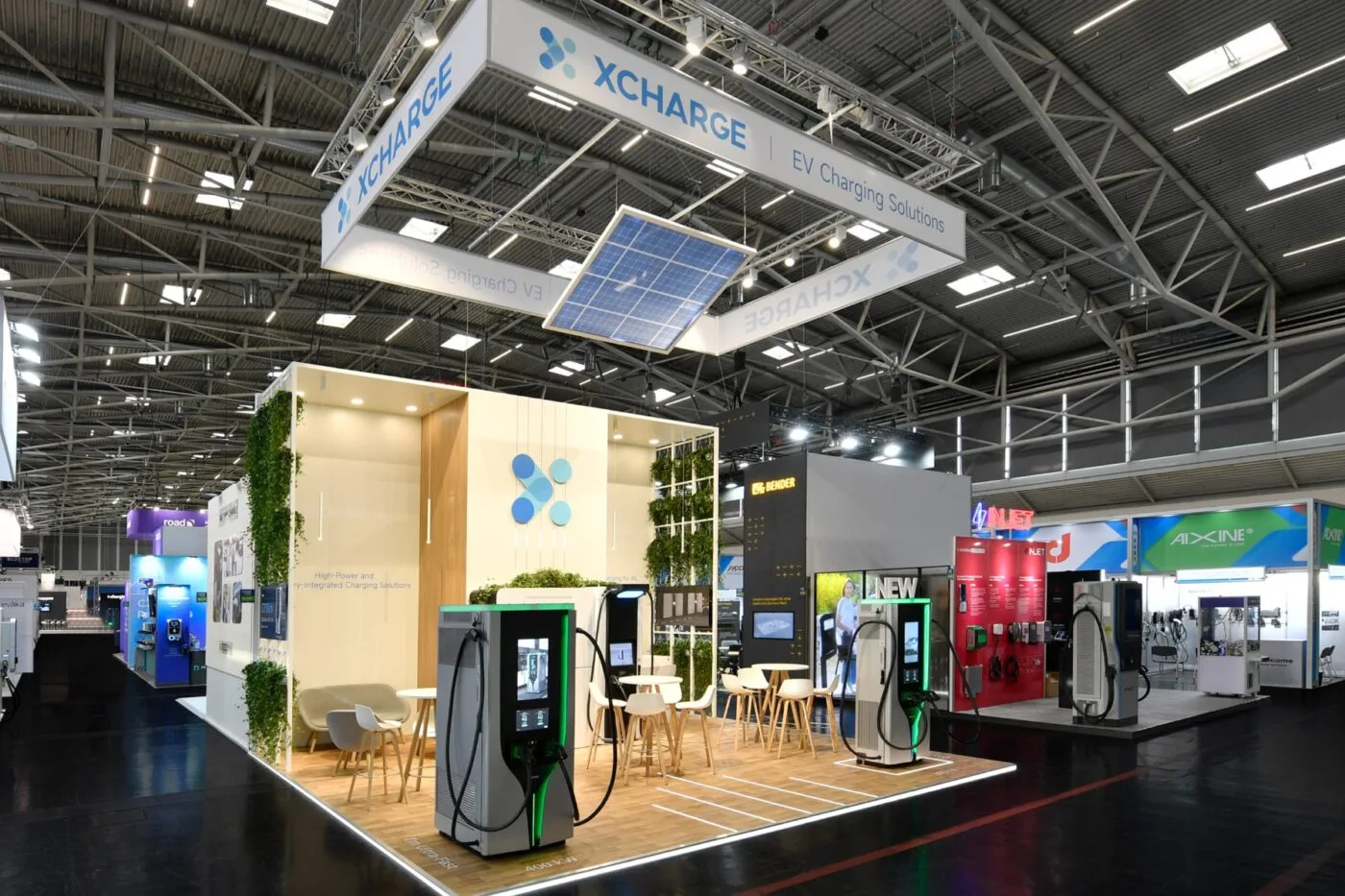
The global oil and gas industry finds itself at a pivotal juncture, navigating an accelerating transition toward a lower-carbon future while simultaneously optimizing operational efficiency. For investors keenly observing this shift, the emergence of advanced energy infrastructure solutions presents compelling opportunities. XCharge, a prominent innovator in sustainable energy technology, is poised to make a significant statement at the upcoming Power2Drive exhibition in Munich this May. The company plans to unveil its cutting-edge Net Zero Series (NZS GEN2) microgrid system and an enhanced C7 DC fast charging station, offerings that promise substantial long-term value and reduced operational expenditures for energy companies committed to electrifying their vast operations and diverse vehicle fleets.
Revolutionizing O&G Operations with Advanced Microgrids
The NZS GEN2 microgrid represents a sophisticated leap forward in integrated energy management, meticulously engineered to meet the stringent demands of heavy industrial applications, including the complex environments inherent to the oil and gas sector. This comprehensive, all-in-one system seamlessly integrates robust battery energy storage, capabilities for photovoltaic (PV) solar integration, and high-speed electric vehicle (EV) charging infrastructure. Such a holistic design offers an exceptionally attractive proposition for oil and gas enterprises striving to establish resilient, self-sufficient energy hubs across their operational footprint, from remote exploration and drilling sites to large-scale processing plants and extensive corporate campuses.
At the technological core of the NZS GEN2 lies an EV charger delivering an impressive power output of up to 194 kW. This robust charging capacity ensures rapid turnaround times for both light-duty electric vehicles and the increasingly electrified heavy-duty equipment critical to oil and gas operations. Complementing this charging prowess is a substantial integrated battery storage unit, boasting an energy content of 233 kWh. Crucially, this storage capacity is designed for modular expansion, allowing it to double to an impressive 466 kWh. This inherent scalability provides immense flexibility for investors and operators, enabling them to calibrate energy storage precisely to evolving operational requirements, thereby optimizing capital expenditure and safeguarding their infrastructure investments against future uncertainties.
A standout feature significantly enhancing the NZS GEN2’s value proposition is its advanced bidirectional charging capability. This intelligent power management system facilitates dynamic energy flow, enabling flexible distribution of electricity between the integrated battery, the utility grid, and all connected consumers. During periods of peak demand or during daylight hours when solar generation is optimal, the system can autonomously supply power to administrative offices, vital industrial machinery, and electric vehicles. Conversely, during off-peak hours or overnight, it can strategically draw energy from the grid to replenish its battery. This intelligent arbitrage minimizes reliance on higher-priced grid electricity during peak times, leading to substantial energy cost savings. Furthermore, the seamless integration with a company’s proprietary PV system offers a direct pathway to generating clean, onsite power, dramatically reducing dependence on external grid sources and significantly shrinking carbon footprints – a critical metric for ESG-focused investors and stakeholders.
Strategic Investment Implications for the Energy Sector
The enhancements embedded within the NZS GEN2 are a direct reflection of real-world operational feedback and a commitment to market-driven innovation. For investors in the oil and gas sector, these advancements translate into tangible, bottom-line benefits: significantly reduced energy expenses, fortified energy security, and markedly improved sustainability metrics. The robust design and intelligent functionality of these microgrids empower companies to achieve greater energy independence, mitigating risks associated with grid instability and volatile energy prices. This capability is particularly valuable for remote or mission-critical operations where reliable power is paramount.
Beyond the microgrid, XCharge’s upgraded C7 DC charging station further solidifies the comprehensive nature of its offerings for the oil and gas industry’s electrification journey. While the NZS GEN2 provides the foundational energy hub, the C7 DC charger serves as a critical standalone or complementary solution for accelerating the transition of O&G vehicle fleets. Designed for speed and durability, this advanced charging station ensures that electric fleet vehicles, ranging from light-duty trucks for field services to heavier equipment used in logistics and maintenance, can be rapidly recharged, minimizing downtime and maximizing operational continuity. The combination of resilient microgrids and dedicated fast-charging infrastructure creates a powerful synergy, enabling oil and gas companies to embrace electrification at scale without compromising productivity.
Investing in such technologies aligns perfectly with the burgeoning focus on Environmental, Social, and Governance (ESG) principles within the financial community. Companies deploying these solutions demonstrate a proactive commitment to reducing greenhouse gas emissions, enhancing resource efficiency, and investing in sustainable infrastructure. This commitment not only improves their ESG scores but also positions them favorably to attract capital from an expanding pool of sustainability-conscious investors, potentially lowering their cost of capital and boosting their corporate reputation. The ability to generate and store clean energy onsite directly contributes to achieving ambitious decarbonization targets, offering a clear competitive advantage in a sector increasingly scrutinized for its environmental impact.
The modularity and scalability of the NZS GEN2 are also key considerations for long-term investment. Oil and gas operations are dynamic, with energy needs fluctuating based on project phases, production levels, and technological advancements. The flexibility to expand battery storage from 233 kWh to 466 kWh ensures that initial investments remain relevant and effective over time, protecting against obsolescence and allowing for phased capital deployment. This adaptability minimizes future upgrade costs and ensures the infrastructure can evolve alongside the company’s energy transition strategy.
In conclusion, as the oil and gas sector continues its imperative march towards decarbonization and heightened operational efficiency, solutions like XCharge’s NZS GEN2 microgrid and C7 DC charging station emerge as critical enablers. They offer a tangible pathway to lower operating costs, greater energy resilience, and significant strides in sustainability. For discerning investors, these technologies represent not merely expenditures but strategic investments that yield substantial returns, enhance competitive positioning, and secure long-term value creation in the rapidly evolving energy landscape.