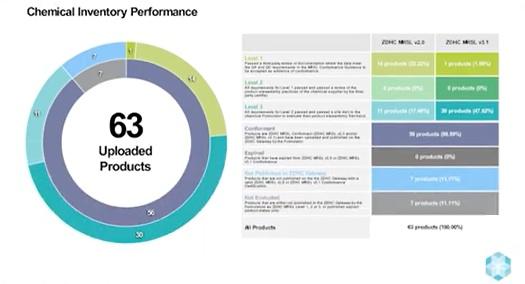
The investment landscape is rapidly evolving, driven by an increasing emphasis on sustainability and verifiable environmental, social, and governance (ESG) performance. A recent development in the consumer goods sector, the acquisition of GoBlu’s chemical management platform, The BHive, by sustainability data provider Worldly, underscores a powerful trend: the urgent need for unified, transparent, and actionable ESG data across global supply chains. While this specific transaction focuses on textiles and apparel, its implications resonate deeply within the oil and gas sector. For energy investors, this move signals a broader market imperative for standardized ESG reporting, intensified scrutiny, and the growing influence of non-financial metrics on valuation, particularly as market volatility continues to shape short-term performance.
The Imperative for Unified ESG Data in Energy Investment
Worldly’s strategic acquisition of GoBlu is not merely a corporate merger; it’s a consolidation play aimed at creating a more cohesive ecosystem for tracking social and environmental performance. By integrating GoBlu’s chemical management expertise with Worldly’s existing suite of tools like the Higg Index, the combined entity seeks to streamline data collection, reduce reporting burdens, and provide advanced analytics for consumer goods companies. This drive for unification and efficiency in ESG data is a critical bellwether for the energy sector. Oil and gas companies, facing some of the most intense ESG pressures, are under increasing obligation to provide robust, comparable, and transparent data to investors and regulators alike.
Our proprietary reader intent data reveals a keen interest among investors in the reliability and sources of market intelligence, with questions like “What data sources does EnerGPT use? What APIs or feeds power your market data?” These queries reflect a broader demand for verifiable information that extends beyond traditional financial metrics into the ESG realm. As platforms like Worldly and GoBlu set new benchmarks for data integration and transparency in other industries, the expectation for similar rigor in the energy sector will only intensify. Investors are no longer satisfied with broad ESG statements; they demand granular data on emissions, water usage, community engagement, and governance structures. This acquisition highlights a maturing ESG data market, where integration and accuracy are becoming paramount, pushing energy firms to elevate their own reporting standards or risk being left behind in the capital allocation race.
Navigating Market Volatility Amidst ESG Scrutiny
The backdrop to this intensifying ESG data push is a highly dynamic and often volatile energy market. As of today, Brent Crude trades at $90.38, reflecting a significant -9.07% decline in a single day, within a range of $86.08 to $98.97. Similarly, WTI Crude has fallen to $82.59, down -9.41% on the day, moving between $78.97 and $90.34. Gasoline prices have also seen a downturn, currently at $2.93, a -5.18% drop, with a day range of $2.82 to $3.1. This recent snapshot paints a picture of considerable market pressure. Looking at the 14-day trend, Brent has plummeted from $112.78 on March 30th to today’s $90.38, a stark $-22.4 or -19.9% reduction in value.
This market turbulence creates a dual challenge for oil and gas companies. While the immediate focus might shift to cost-cutting and operational efficiency in a lower price environment, the long-term imperative for strong ESG performance remains. In fact, periods of volatility often highlight the resilience of companies with robust sustainability frameworks and diversified strategies. Investors are increasingly evaluating how well energy firms can navigate these market swings while simultaneously progressing on their environmental and social commitments. Our readers’ inquiries, such as “what do you predict the price of oil per barrel will be by end of 2026?” underscore the uncertainty. In such an environment, compelling ESG narratives backed by unified, verifiable data can differentiate companies, attract patient capital, and potentially mitigate the impact of short-term price fluctuations on long-term valuation.
Upcoming Catalysts and Forward-Looking Analysis
The immediate future for oil markets is punctuated by several key events that will undoubtedly influence price discovery and investor sentiment. This Sunday, April 19th, marks the OPEC+ JMMC Meeting, followed swiftly by the full OPEC+ Ministerial Meeting on Monday, April 20th. These gatherings are critical, as they will determine production quotas and signal the cartel’s collective strategy in response to current market conditions. Our readers are keenly watching these developments, with direct questions concerning “OPEC+ current production quotas” signaling the high stakes involved. Any adjustments to supply, whether increases or decreases, will have immediate repercussions across global energy markets.
Beyond OPEC+, we also anticipate the regular cadence of crucial data releases. The API Weekly Crude Inventory report on April 21st, followed by the EIA Weekly Petroleum Status Report on April 22nd, will provide vital insights into U.S. supply and demand dynamics. These reports, alongside the Baker Hughes Rig Count on April 24th, offer a granular view of drilling activity and potential future production. As we move into the following week, similar reports on April 28th (API), April 29th (EIA), and May 1st (Baker Hughes) will continue to shape investor perceptions of market balance. For energy investors, closely monitoring these events is paramount to understanding short-term price movements and strategic positioning. Simultaneously, companies that can demonstrate consistent progress on ESG fronts, even amidst these operational demands, will build greater trust and long-term value in the eyes of the market.
The Future of ESG in Energy Investment: From Compliance to Competitive Advantage
The Worldly-GoBlu acquisition reinforces a foundational shift in how industries, including oil and gas, must approach sustainability. The move towards a unified, centralized ecosystem for ESG data is not a niche trend; it’s a mainstream expectation. For energy investors, this means that robust, auditable ESG data will soon become as critical as financial statements in evaluating a company’s health and future prospects. The ability to connect operational data, such as chemical usage and emissions, directly to environmental performance and compliance, as The BHive aims to do, will become a non-negotiable standard.
This push for standardization and transparency offers a significant opportunity for energy companies to move beyond mere compliance to leveraging ESG as a competitive advantage. Firms that proactively invest in comprehensive data infrastructure, integrate ESG metrics into their core strategy, and communicate their performance clearly will differentiate themselves. They will likely attract a broader base of capital, command higher valuations, and demonstrate greater resilience against regulatory changes and market shifts. Conversely, those that lag will face increasing pressure, potential divestment, and a higher cost of capital. The message from the broader investment landscape is clear: the future of energy investment is inextricably linked to verifiable, unified, and actionable ESG performance.


