Woodside Energy (WDS) finds itself at an increasingly critical juncture, navigating the twin pressures of global energy demand and heightened environmental scrutiny. As a major player in Australia’s gas sector, the company’s operational footprint in Western Australia has long been a subject of interest for stakeholders. However, recent developments surrounding a record-breaking marine heatwave off the WA coast and the subsequent public outcry over Woodside’s extended partnership with the Western Australian Museum are spotlighting a significant escalation in its environmental, social, and governance (ESG) risk profile. This analysis delves into the evolving nature of these risks, their potential financial implications, and how they intersect with broader market dynamics and investor concerns.
Mounting Environmental Contestation and Social License Risks
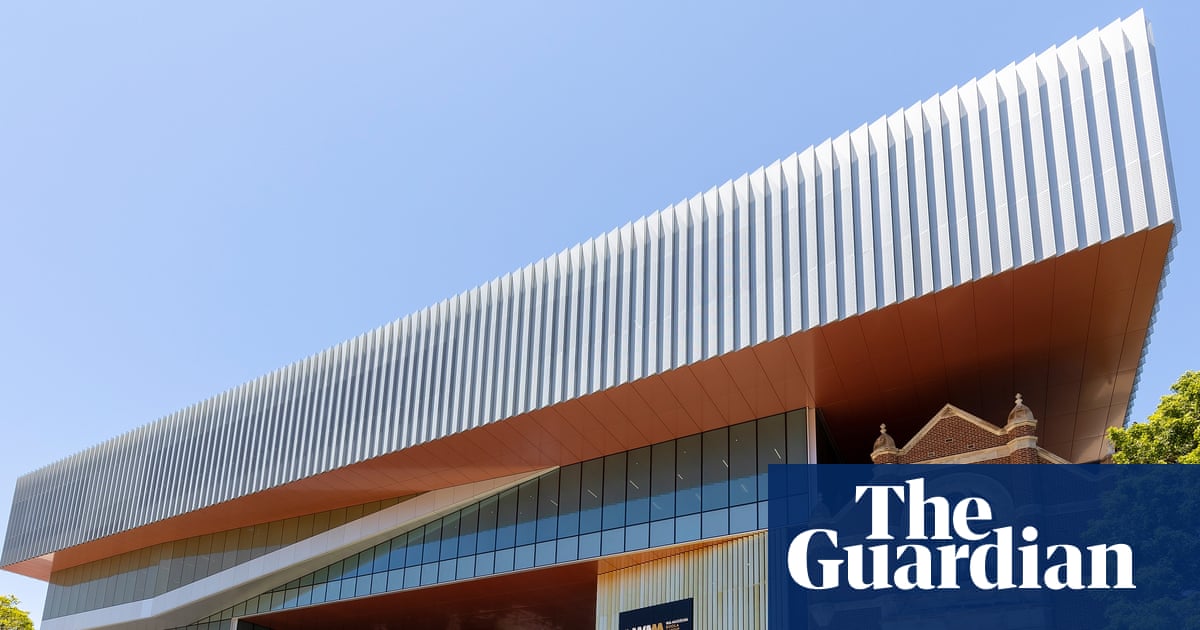
The severity of the marine heatwave impacting Western Australia cannot be overstated. Scientific reports confirm this event as the most significant coral bleaching on record for WA reefs, devastating a 1,500-kilometer stretch of ocean. This ecological catastrophe is creating a potent backdrop for public sentiment. Against this unfolding crisis, Woodside’s decision to renew its 28-year research collaboration with the WA Museum for another five years, alongside sponsoring a “Woodside Energy Open Day” promoting marine science, has ignited considerable controversy. Conservation groups and political figures, including the WA Greens, have vehemently condemned the partnership, arguing it provides an inappropriate platform for a major fossil fuel producer amidst such direct environmental devastation. The criticism centers on the perception that Woodside, as a significant contributor to greenhouse gas emissions, is actively branding itself as a supporter of marine science while the very ecosystems it purports to study are suffering from climate-change induced impacts. This dynamic poses a tangible threat to Woodside’s social license to operate, a critical, though often intangible, asset for any large energy company. Erosion of this license can lead to project delays, increased regulatory hurdles, and long-term reputational damage.
Financial Implications Amidst Investor Scrutiny
While the immediate focus of many investors remains on commodity price movements, the rising tide of ESG risks, particularly those with a strong environmental and social component, cannot be ignored. Our proprietary reader intent data reveals a consistent investor focus on macro trends, with top questions this week centering on building a base-case Brent price forecast for the next quarter and the consensus 2026 Brent forecast. Indeed, a robust price environment can sometimes obscure company-specific risks. As of today, Brent Crude trades at $99.24, showing a significant intra-day gain of 4.54% after recovering from a daily low of $94.42. This rebound follows a notable 12.4% decline over the past 14 days, from $108.01 on March 26th to $94.58 on April 15th, illustrating market volatility that often demands attention. WTI Crude also stands strong at $91.03, up 3.29%, with gasoline prices at $3.08, up 2.66%. However, for Woodside, overlooking the escalating ESG concerns would be a misstep. Reputational damage from ongoing environmental controversies can translate into tangible financial impacts: higher cost of capital as ESG-conscious funds divest or apply stricter screening, difficulty in securing permits for new projects, and potential litigation. Furthermore, a tarnished public image can affect talent acquisition, particularly among younger generations who prioritize corporate responsibility. Investors must weigh the current market strength against these growing idiosyncratic risks that could depress Woodside’s valuation relative to peers with stronger ESG credentials.
Interplay with Global Energy Transition and Forthcoming Events
The controversy surrounding Woodside’s environmental footprint in Western Australia unfolds within a broader context of accelerating global energy transition and intensifying climate action. As a major LNG exporter, Woodside is inherently exposed to the ongoing debate about the role of natural gas in a decarbonizing world. The current marine heatwave serves as a stark, visceral reminder of climate change impacts, directly linking the fossil fuel industry to environmental degradation in the public consciousness. This connection is likely to amplify calls for stricter environmental regulations and faster transition pathways, regardless of short-term commodity price strength. Looking ahead, the energy calendar is packed with events that could further shape investor sentiment and regulatory landscapes. The upcoming OPEC+ Joint Ministerial Monitoring Committee (JMMC) meeting on April 18th, followed by the full Ministerial meeting on April 20th, will provide crucial signals on global supply policy. While these are macro events, their outcomes – particularly any decisions that bolster or diminish oil prices – could indirectly influence the urgency of energy transition discussions. If OPEC+ maintains tight supply, driving prices higher, it could paradoxically intensify pressure on major producers like Woodside to accelerate their decarbonization efforts and address their environmental impacts more forcefully. Similarly, weekly data releases such as the API Crude Inventory on April 21st and 28th, and the EIA Weekly Petroleum Status Report on April 22nd and 29th, will offer insights into demand dynamics. Strong demand, especially in Asia, could support Woodside’s core business, but it will also likely be met with renewed scrutiny over the environmental costs of production and consumption. Investors should monitor how Woodside articulates its strategy for managing these escalating environmental challenges in upcoming earnings calls and investor presentations, particularly as the public debate around its WA operations continues to simmer.
Strategic Considerations for Woodside and Investors
For Woodside, navigating this increasingly complex landscape requires a delicate balance between fulfilling energy demand and demonstrating credible environmental stewardship. The partnership with the WA Museum, while perhaps intended to showcase commitment to science, has inadvertently become a flashpoint for criticism, highlighting a potential disconnect between corporate communications and public perception during a crisis. Going forward, Woodside will need to proactively address the deeply felt concerns regarding its climate impact and local environmental footprint. This could involve re-evaluating partnerships that draw criticism, enhancing transparency around emissions reduction targets, and investing more visibly in direct conservation efforts that are clearly decoupled from its core extractive activities. For investors, the takeaway is clear: Woodside’s ESG risks are no longer abstract. They are tangible, gaining momentum, and have the potential to impact the company’s long-term value. While the macro energy environment remains supportive, with robust crude and gasoline prices, the specific challenges facing Woodside in Western Australia demand closer attention. Investors should look beyond short-term price movements and evaluate Woodside’s strategic responses to these escalating environmental and social pressures, assessing its capacity to maintain its social license, navigate potential regulatory changes, and ultimately, secure its position in an increasingly ESG-conscious global market. The ability to effectively mitigate these risks will be a key determinant of Woodside’s investment appeal in the coming years.