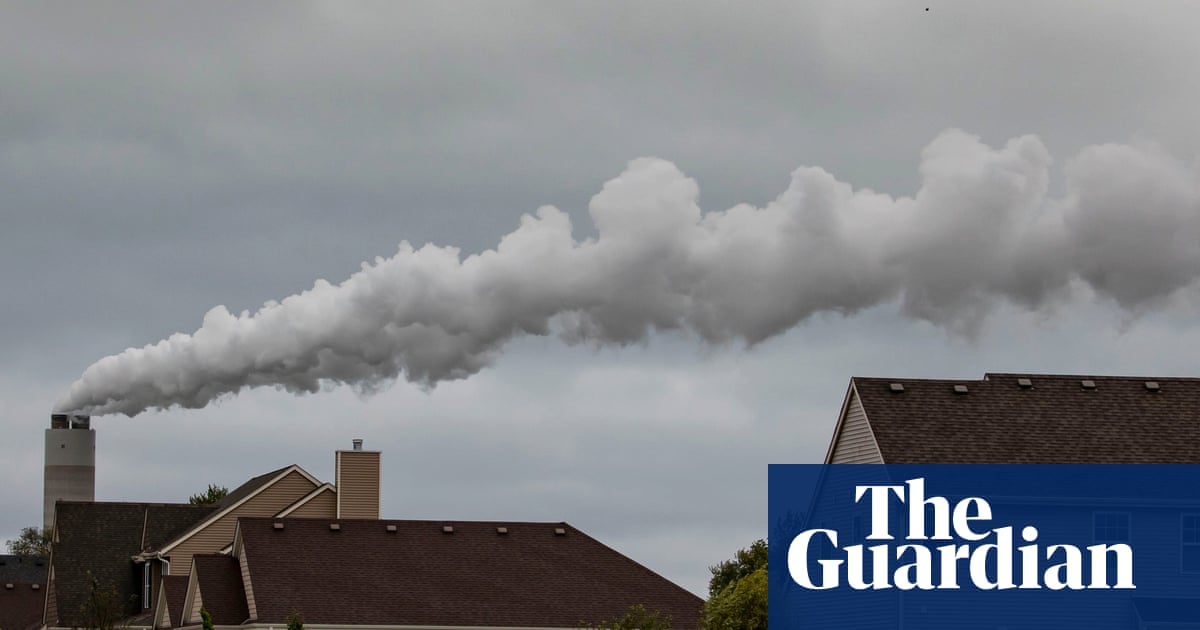
The energy sector is once again grappling with the intersection of climate advocacy and policy, as a significant legal challenge emerges in Wisconsin. Fifteen young climate advocates, aged eight to 17, have initiated a lawsuit against the state, contending that its current pro-fossil fuel policies infringe upon their rights. This case, targeting specific state laws that govern the Public Service Commission’s ability to consider climate impacts or mandate renewable energy uptake, represents a growing trend of climate litigation with potential ripple effects for investors in traditional energy assets and infrastructure nationwide. While state-level, such actions contribute to a complex and evolving regulatory landscape that demands close attention from capital allocators.
Mounting Legal Risks for Fossil Fuel Infrastructure
The lawsuit in Wisconsin is not an isolated incident; it follows a landmark 2023 victory for similar young challengers in Montana, where a judge ruled that the state’s pro-fossil fuel policies violated constitutional rights. This precedent, set by law firms like Our Children’s Trust, signals an increasing legal vulnerability for states and entities that maintain policies perceived as hindering decarbonization efforts. In Wisconsin, the plaintiffs specifically challenge two laws: one that prohibits the Public Service Commission from considering toxic and planet-warming air pollution when permitting new fossil fuel power plants, and another that bars it from requiring utilities to increase their reliance on carbon-free sources. These laws, according to the plaintiffs, directly obstruct the state’s stated goal of transitioning to 100% carbon-free electricity by 2050, especially given that three-quarters of Wisconsin’s electricity currently originates from fossil fuels. For investors, this creates a tangible risk of regulatory uncertainty and potential stranded assets, particularly for utilities and independent power producers with significant fossil fuel generation in states facing similar legal scrutiny. The prospect of these laws being declared unconstitutional could force an accelerated transition, impacting asset valuations and necessitating substantial capital expenditure towards renewable alternatives.
Navigating Volatility Amidst Decarbonization Pressures
The Wisconsin legal challenge unfolds against a backdrop of significant market volatility, adding another layer of complexity for energy investors. As of today, Brent crude trades at $90.38 per barrel, experiencing a sharp 9.07% decline within the day, with an intraday range spanning from $86.08 to $98.97. Similarly, WTI crude stands at $82.59, down 9.41% today. This daily price movement is part of a broader trend, with Brent having declined by $20.91, or 18.5%, from $112.78 on March 30 to $91.87 just yesterday. Gasoline prices have also seen a downturn, currently at $2.93, a 5.18% drop today. This notable market softness underscores how investor sentiment is acutely sensitive to a confluence of factors, including global demand outlook, geopolitical tensions, and increasingly, regulatory and legal headwinds. While a state-level lawsuit won’t immediately dictate global crude prices, it contributes to the overarching narrative of energy transition, which inevitably influences long-term demand projections for fossil fuels. Investors are keenly observing how such legal pressures, even locally, could collectively accelerate the shift away from hydrocarbons, potentially creating a ceiling on future demand growth and exacerbating price sensitivity in a market already prone to significant swings.
Investor Focus: Long-Term Outlook and Upcoming Catalysts
Our proprietary reader intent data reveals that investors are actively grappling with the long-term trajectory of oil prices, frequently asking questions such as, “What do you predict the price of oil per barrel will be by end of 2026?” This highlights a strategic concern for the future demand landscape, which is precisely where cases like Wisconsin’s become relevant. While immediate price movements are often driven by supply-side dynamics, the cumulative effect of legal and policy challenges to fossil fuel use shapes the demand side over the medium to long term. Investors are seeking clarity on how these pressures will impact the energy mix and, consequently, the demand for crude and natural gas. In the near term, market participants will be closely watching several pivotal events. The OPEC+ Joint Ministerial Monitoring Committee (JMMC) meeting is scheduled for tomorrow, April 18th, followed by the full OPEC+ Ministerial Meeting on April 19th. These gatherings are crucial for understanding potential adjustments to production quotas, which directly influence global supply. Decisions made here will undoubtedly impact short-to-medium term price stability. Beyond OPEC+, weekly data releases like the API Weekly Crude Inventory on April 21st and 28th, and the EIA Weekly Petroleum Status Report on April 22nd and 29th, provide critical insights into inventory levels and short-term supply-demand balances. The Baker Hughes Rig Count on April 24th and May 1st will further inform expectations for future production. While these events primarily address supply and immediate market conditions, the Wisconsin lawsuit serves as a reminder that the demand side is under persistent, growing pressure from climate-driven policy and legal frameworks. Investors must integrate both short-term supply signals and long-term demand erosion risks into their strategic planning.
Strategic Adaptation in a Shifting Energy Paradigm
The Wisconsin lawsuit underscores an undeniable trend: the operating environment for fossil fuel-dependent entities is becoming increasingly challenging. Utilities and energy companies with significant conventional generation assets face a dual imperative: maintaining reliable energy supply while simultaneously navigating escalating legal and regulatory demands for decarbonization. This requires proactive strategic adaptation. Companies that have not yet fully embraced robust Environmental, Social, and Governance (ESG) frameworks and accelerated their transition plans may find themselves at a disadvantage. This includes diversifying energy portfolios by investing heavily in renewable energy sources, exploring carbon capture technologies, and divesting from high-emission assets where feasible. The legal pressure in Wisconsin, if successful, could set a precedent that compels state regulators to prioritize climate considerations and mandates for clean energy, thereby accelerating the pace of the energy transition for affected utilities. For investors, identifying companies with clear, actionable decarbonization strategies and a proven track record of adapting to evolving policy landscapes will be crucial for long-term value preservation and growth in a rapidly transforming global energy market.


