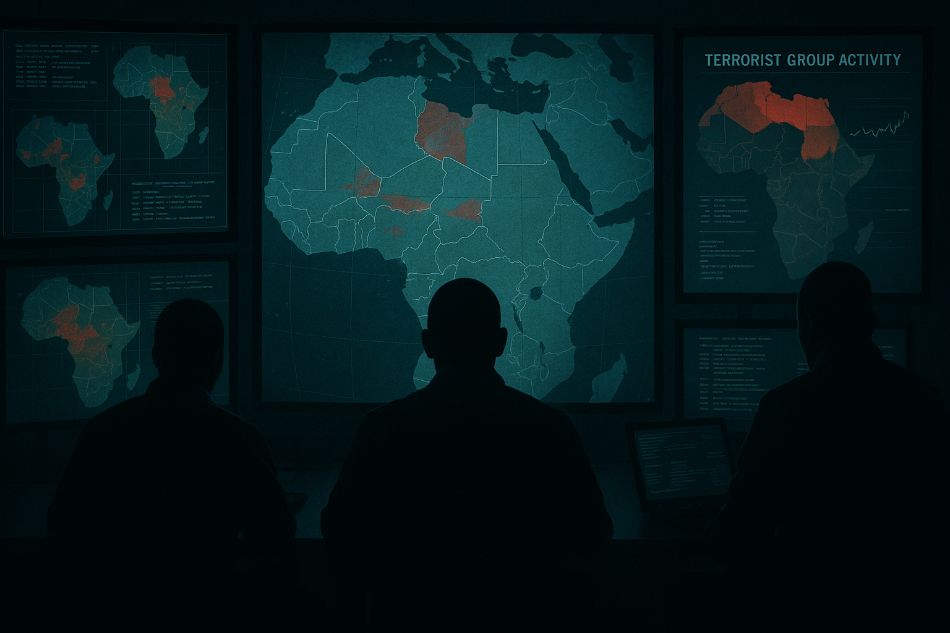
Africa stands as a pivotal frontier for global energy supply, holding immense, largely untapped oil and gas reserves that beckon international capital. However, the continent’s burgeoning energy sector navigates an increasingly perilous security landscape. Evolving and persistent terrorist threats, ranging from Al-Shabaab’s persistent menace in the Horn of Africa to ISIS-linked factions spreading across the Sahel, present formidable challenges to oil and gas investment. These groups demonstrate escalating operational strength and alarming cross-border mobility, executing devastating attacks that directly undermine energy security and disrupt the stability essential for long-term O&G exploration and resource development. A critical concern for investors arises from the unfortunate reality that local intelligence capabilities frequently struggle to effectively counter this dynamic and elusive threat.
Institutional Fragilities Jeopardize Asset Protection
A fundamental issue impeding robust counter-terrorism efforts, and by extension, asset protection for energy companies operating in Africa, stems from the very structure of many national intelligence agencies. These organizations often suffer from excessive centralization and deep political alignment, frequently prioritizing domestic political monitoring over a dedicated national security mandate focused on external threats. This internal dynamic compromises their professional efficacy and erodes public trust, particularly within communities most directly impacted by violence. For discerning investors, this translates into significantly elevated geopolitical risk. A scarcity of reliable, community-sourced intelligence can lead to critical missed early warnings, directly imperiling operational safety and threatening the crucial continuity of supply chain resilience for energy projects.
Fragmented Regional Responses Amplifies Investor Exposure
Terrorist organizations operate with complete disregard for national boundaries, yet intelligence services across the continent frequently act in isolation. While regional bodies such as the African Union’s Committee of Intelligence and Security Services of Africa (CISSA) endeavor to foster collaboration, tangible progress remains frustratingly slow. A pervasive reluctance to share sensitive intelligence, combined with a noticeable absence of robust systems for joint threat analysis and coordinated response, creates dangerous operational vacuums. This disjointed approach directly undermines efforts to cultivate a secure operating environment for African energy projects. The concerning surge in Al-Shabaab’s violent activities throughout 2024, with August marking the most intense period of their operations, starkly illustrates this inherent vulnerability. Kenyan intelligence officials have openly acknowledged that crucial early warning signs were overlooked, primarily due to the absence of real-time data exchange between security agencies in neighboring countries. Such systemic failures represent a tangible and immediate threat to energy infrastructure, capable of severely dampening investor confidence and potentially stalling significant capital deployment.
Reliance on External Aid: A Band-Aid for Systemic Security Deficiencies
Confronted by these intricate and persistent security challenges, numerous African governments increasingly seek assistance from foreign powers. While external military and intelligence support can offer immediate tactical advantages and bolster security in critical zones, it largely represents a temporary solution rather than a sustainable, long-term strategy for comprehensive security. This dependency can inadvertently mask deeper, systemic weaknesses within domestic security apparatuses, deterring the necessary reforms and investments required for indigenous capacity building. For investors, this reliance introduces an additional layer of complexity: geopolitical shifts among global powers can impact the continuity and effectiveness of such foreign aid, thereby introducing volatility into the security outlook for energy assets. Furthermore, the presence of foreign forces can, in some instances, be perceived negatively by local populations, potentially exacerbating existing grievances that terrorist groups exploit for recruitment and operational support. This creates a delicate balance, where short-term gains in security may come at the cost of long-term stability and local ownership of counter-terrorism efforts.
True, enduring security for African energy investments necessitates a fundamental shift towards self-sufficient, professional, and regionally integrated intelligence and security frameworks. This involves not only enhancing technical capabilities but also fostering greater public trust, promoting accountability, and crucially, improving cross-border intelligence sharing and joint operational planning. Without these foundational changes, the continent’s vast energy potential will remain perpetually shadowed by an elevated risk profile, challenging the viability of substantial foreign direct investment. Investors must critically evaluate not just the immediate security presence, but the underlying health and strategic direction of host nations’ security architecture when assessing operational risk in these vital frontier markets. The ability to effectively mitigate these complex security threats will ultimately determine the long-term success and profitability of Africa’s role in the global energy landscape.
In conclusion, while Africa offers unparalleled opportunities for energy development, the prevailing security environment demands meticulous due diligence from investors. The interplay of institutional vulnerabilities, fragmented regional responses, and an over-reliance on external assistance creates a volatile operational context. A robust, sustainable investment strategy in African oil and gas must therefore account for these multifaceted security risks, prioritizing partnerships with nations demonstrating a genuine commitment to building resilient, independent, and collaborative counter-terrorism capabilities. Only through such comprehensive approaches can the continent unlock its full energy potential and provide the stable environment that global capital demands.