WH Cuts Red Tape, Boosts US Energy Investment
A seismic shift is underway in Washington, directly impacting the strategic energy and defense sectors, creating compelling new investment avenues. The Trump Administration has aggressively moved to fortify America’s critical mineral supply chains, signaling an era of unprecedented domestic production and strategic independence. For savvy investors, this policy redirection offers a robust opportunity to capitalize on the nation’s renewed focus on self-reliance and geopolitical resilience.
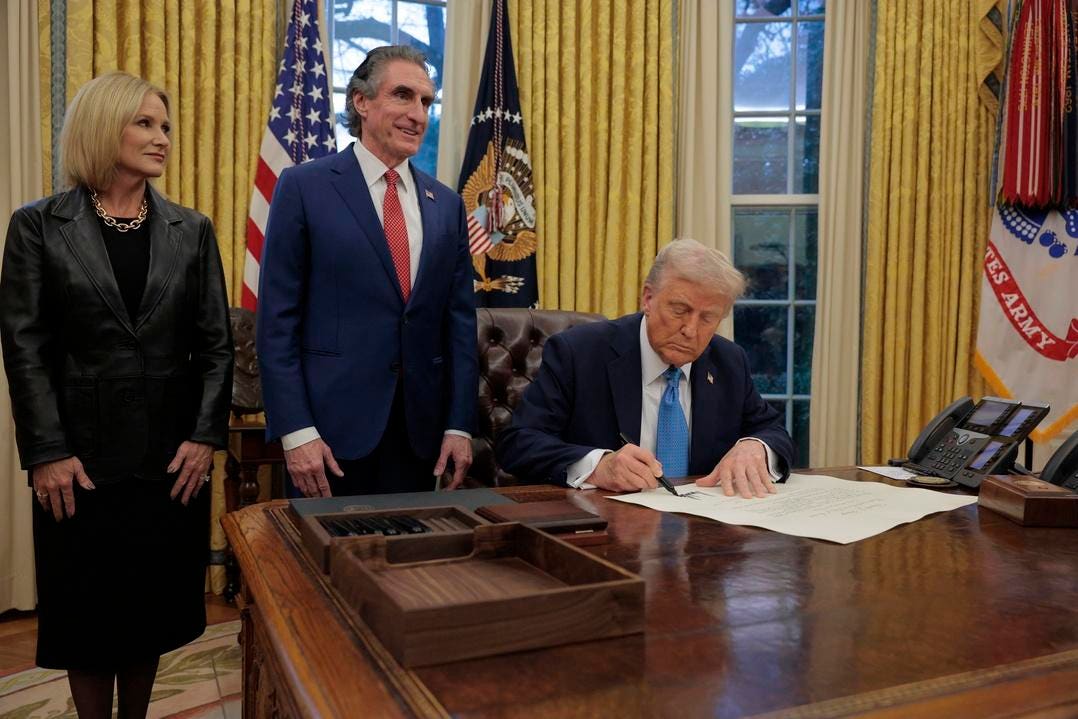
On March 20, 2025, a landmark executive order was unveiled, utilizing the powerful Defense Production Act (DPA). This directive isn’t just rhetoric; it’s a clear operational blueprint designed to dramatically accelerate the nation’s critical mineral output. For investors, this translates into a powerful tailwind for companies engaged in exploration, mining, and refining within U.S. borders. The order specifically tasks federal agencies with a new mandate: prioritize and fast-track critical mineral projects. This means rigorous screening of mining and refining applications to identify projects ready for swift authorization and expedited processing. Bureaucratic hurdles, long a deterrent for domestic projects, are now being systematically dismantled. Furthermore, the administration plans to actively engage with industry stakeholders to identify operational chokepoints, then strategically develop solutions to accelerate these vital initiatives. A key aspect involves reassessing federal land allocation, with a clear directive to prioritize leasing parcels possessing viable critical mineral potential. To underpin this expansive agenda, the government will extend loans to qualified businesses, providing substantial financial backing for approved domestic ventures. This represents a tangible commitment to de-risking domestic investment in a sector crucial for national security.
Geopolitical Imperatives Driving Domestic Mineral Production
This swift policy reorientation stems directly from heightened global political friction and a stark recognition of America’s vulnerabilities. The establishment of the National Energy Dominance Council in mid-February, under the stewardship of Secretary of the Interior Doug Bergum, underscored the administration’s resolve. The urgency is palpable, driven primarily by an increasingly assertive China, which has historically commanded a near-monopoly over the global critical minerals market. These strategic materials are not merely industrial inputs; they are foundational to sectors as diverse and vital as semiconductors, advanced telecommunications, national defense systems, and the burgeoning field of artificial intelligence.
Beijing’s actions in late 2024 and early 2025 served as a potent wake-up call, exposing the fragility of global supply chains. In December 2024, China imposed stringent export controls, specifically banning the shipment of gallium, germanium, and antimony to the United States. This move directly impacted U.S. semiconductor manufacturing and defense capabilities, sending ripple effects across high-tech industries. This scenario intensified significantly on April 4, 2025, when China placed seven distinct Rare Earth Elements (REEs) under new, stringent export restrictions. This measure essentially blocked their transit to the U.S. unless specific, government-approved protocols were met. This was a direct retaliatory response to U.S. tariffs, unequivocally demonstrating China’s willingness to weaponize its dominance in processing these indispensable materials.
Impact on Key US Industries and Investment Outlook
Beyond these critical mineral embargoes, Beijing further complicated the landscape by placing 16 U.S. companies on its export control list. A significant 15 of these entities operate within the crucial defense and aerospace sectors. This designation prohibits them from receiving “dual-use goods,” including the newly restricted REEs. The cascading effect has been profound, creating significant disruptions across U.S. defense, energy, and advanced manufacturing supply chains. This vulnerability has now become a core focus for strategic investors and policymakers alike, highlighting the urgent need for domestic alternatives.
For investors, this presents a compelling thesis: the U.S. government is actively de-risking and incentivizing domestic critical mineral production. Companies positioned to mine, process, and refine these essential materials within the United States are now operating in an environment of unprecedented federal support. The Defense Production Act’s activation signals a national priority, offering a long-term commitment to self-sufficiency. This isn’t just about resource extraction; it’s about building a resilient industrial base, from upstream mining to midstream processing and downstream manufacturing, all powered by secure, domestic supply. The intersection of energy security, national defense, and advanced technology creates a powerful, sustained demand for these materials, making investments in U.S. critical mineral companies a strategic play for the foreseeable future. Those who position themselves early in this revitalized domestic energy and mineral landscape stand to benefit significantly from Washington’s steadfast commitment to independence.