The landscape for oil and gas investors is undergoing a profound transformation, driven by an accelerating focus on environmental, social, and governance (ESG) factors. This isn’t merely a compliance exercise; it’s a strategic imperative shaping capital flows, technological innovation, and long-term value creation. This week’s developments underscore the dynamic interplay between market fundamentals, ambitious climate initiatives, and significant financial commitments, all against a backdrop of fluctuating crude prices. Understanding these converging forces is crucial for investors seeking to navigate the inherent complexities and identify opportunities in the evolving energy sector.
Navigating Volatility: ESG in a Shifting Crude Market
The current volatility in crude markets presents a complex backdrop for ESG investments. As of today, Brent Crude trades at $94.25, reflecting a 1.29% decline, with its daily range spanning $93.98 to $95.69. Similarly, WTI Crude stands at $85.9, down 1.74% within a daily range of $85.5 to $86.78. This softness follows a significant downturn, with Brent having shed $23.49, or nearly 20%, over the past 14 days, falling from $118.35 on March 31st to $94.86 yesterday. Gasoline prices have also seen a modest dip to $3.01, down 0.66%. Such pronounced shifts naturally raise investor questions, particularly regarding the directional trajectory for WTI and the broader oil price outlook for the remainder of 2026. While the immediate focus might be on short-term gains, this price environment can paradoxically accelerate the energy transition. Lower traditional commodity prices can make alternative energy projects relatively more attractive, encouraging diversification away from fossil fuel dependence. Integrated energy companies, like Repsol, which has been actively investing in renewable energy and low-carbon solutions, face a dual challenge: optimizing their legacy assets while strategically allocating capital to new, sustainable ventures. Their performance in this environment will be a key indicator of how well the sector can adapt to both market pressures and ESG demands.
The Carbon Economy Takes Shape: New Pathways for Investment
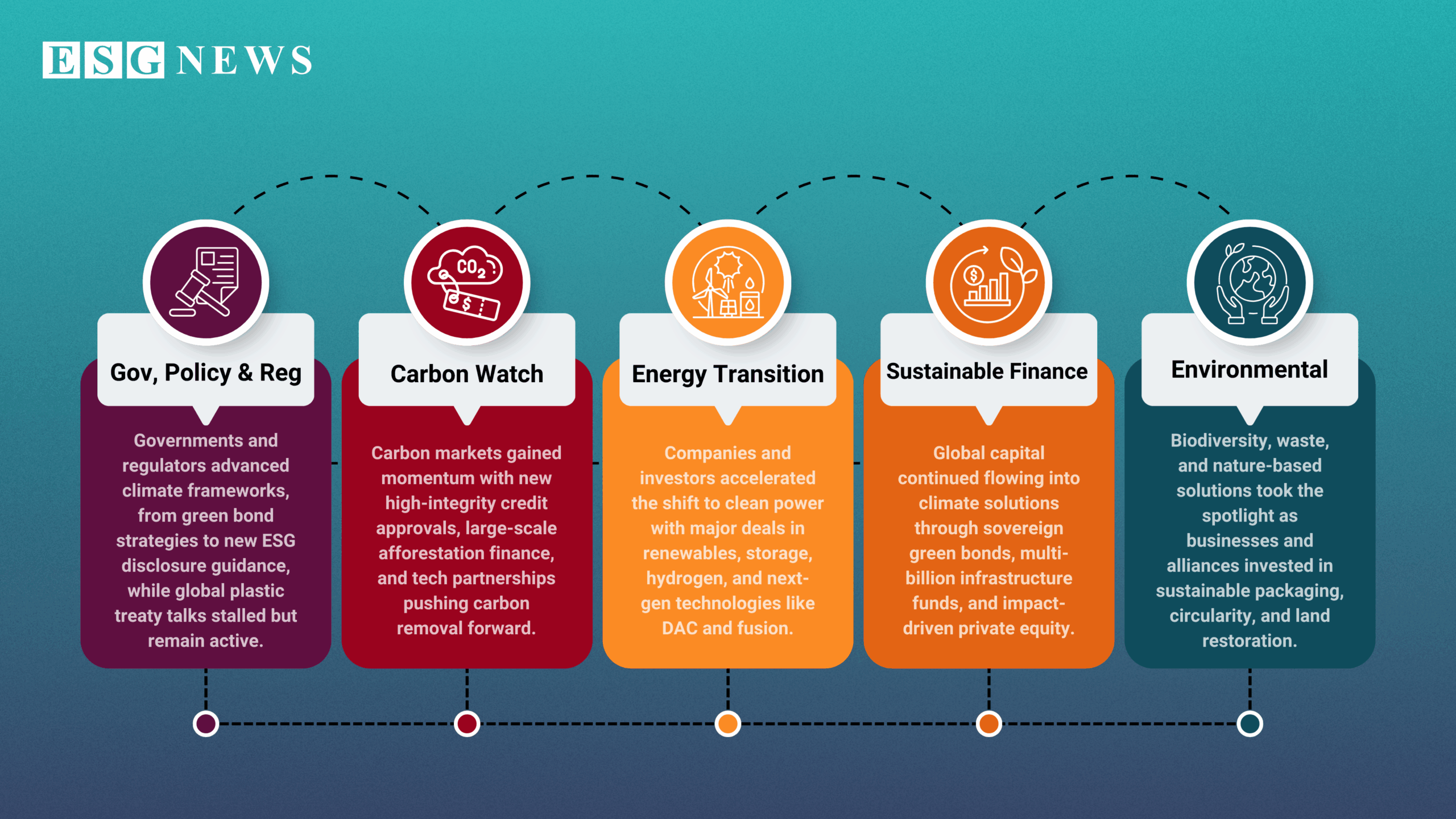
The carbon market continues to evolve rapidly, offering increasingly sophisticated pathways for investment and emissions management. This week brought significant advancements, signaling a maturing landscape for carbon credits and direct decarbonization technologies. The Independent Carbon Credit Voluntary Market Council (ICVCM) made a pivotal move by approving new methodologies designed to scale high-integrity carbon credits. This development is critical for building trust and attracting institutional capital to the voluntary carbon market, addressing long-standing concerns about transparency and impact. Simultaneously, technological innovation is pushing the boundaries of carbon removal, exemplified by Occidental’s progress on its first large-scale Direct Air Capture (DAC) hub. These projects, while capital-intensive, represent a long-term solution for hard-to-abate emissions and are becoming increasingly attractive to investors with a forward-looking perspective on climate solutions. Complementing these efforts are nature-based solutions, with J.P. Morgan backing a substantial $210 million afforestation initiative in the U.S. This blend of technological and natural carbon sequestration highlights the diverse opportunities within the burgeoning carbon economy. However, progress isn’t uniform; the stalling of plastic treaty talks in Geneva serves as a reminder that some environmental challenges face steeper diplomatic hurdles, emphasizing the need for investors to identify areas with clear policy and technological momentum.
Sustainable Finance: Capital Flowing Towards Green Energy
The commitment of significant capital towards sustainable initiatives underscores the growing mainstream acceptance and strategic importance of ESG in global finance. This week provided compelling evidence of this trend, with both sovereign entities and major asset managers directing substantial funds into green projects. Qatar made its inaugural entry into the green bond market, a landmark move that signals a broadening embrace of sustainable finance instruments by traditionally hydrocarbon-rich nations. This participation not only diversifies their financial instruments but also provides a crucial source of capital for national decarbonization and diversification efforts. In parallel, Nuveen successfully raised an impressive $1.3 billion for sustainable infrastructure, demonstrating strong investor appetite for tangible assets that contribute to the energy transition and resilience. These investments span a range of sectors, from renewable energy generation to sustainable transportation and water management, offering long-term, stable returns often underpinned by robust ESG frameworks. The influx of such large-scale capital is not merely philanthropic; it reflects a clear recognition by institutional investors that sustainable assets offer compelling risk-adjusted returns and align with evolving regulatory landscapes and stakeholder expectations. This trend highlights a fundamental shift in capital allocation, where ESG considerations are increasingly integrated into core investment strategies, driving the build-out of a greener global infrastructure.
Forward-Looking Outlook: Key Events Shaping the Energy Transition
For discerning oil and gas investors, understanding the interplay between traditional market drivers and the accelerating energy transition is paramount. The coming weeks are packed with events that will shape both the immediate and long-term outlook. Tomorrow, April 21st, the OPEC+ Joint Ministerial Monitoring Committee (JMMC) meeting will be closely watched for any signals regarding production policy. Decisions here could significantly influence crude prices and, by extension, the capital available for companies to invest in or divest from ESG initiatives. Following this, the EIA Weekly Petroleum Status Reports on April 22nd and April 29th, alongside the API Weekly Crude Inventory reports on April 28th and May 5th, will provide critical insights into supply and demand dynamics. These inventory figures can cause short-term price swings and inform strategies for managing existing hydrocarbon assets. Furthermore, the Baker Hughes Rig Counts on April 24th and May 1st offer a pulse on U.S. drilling activity, indicating future production trends. However, the most significant forward-looking event for strategic investors arrives on May 2nd with the EIA Short-Term Energy Outlook. This report will offer crucial forecasts for energy prices and consumption patterns, extending into 2027. It will be instrumental in helping investors, who are actively asking about the price of oil per barrel by the end of 2026, to refine their models and assess the viability of both conventional and renewable energy projects. These upcoming events collectively provide essential data points for evaluating market direction and positioning portfolios effectively within a rapidly evolving energy landscape.


