The global automotive industry’s relentless march towards electrification continues to reshape energy market dynamics, with Volkswagen’s latest strategic maneuvers offering a telling glimpse into the financial complexities and technological hurdles involved. As a leading voice for oil and gas investors, OilMarketCap.com closely tracks these developments, understanding that every pivot in the automotive sector carries implications for future demand projections and the long-term outlook for traditional energy commodities.
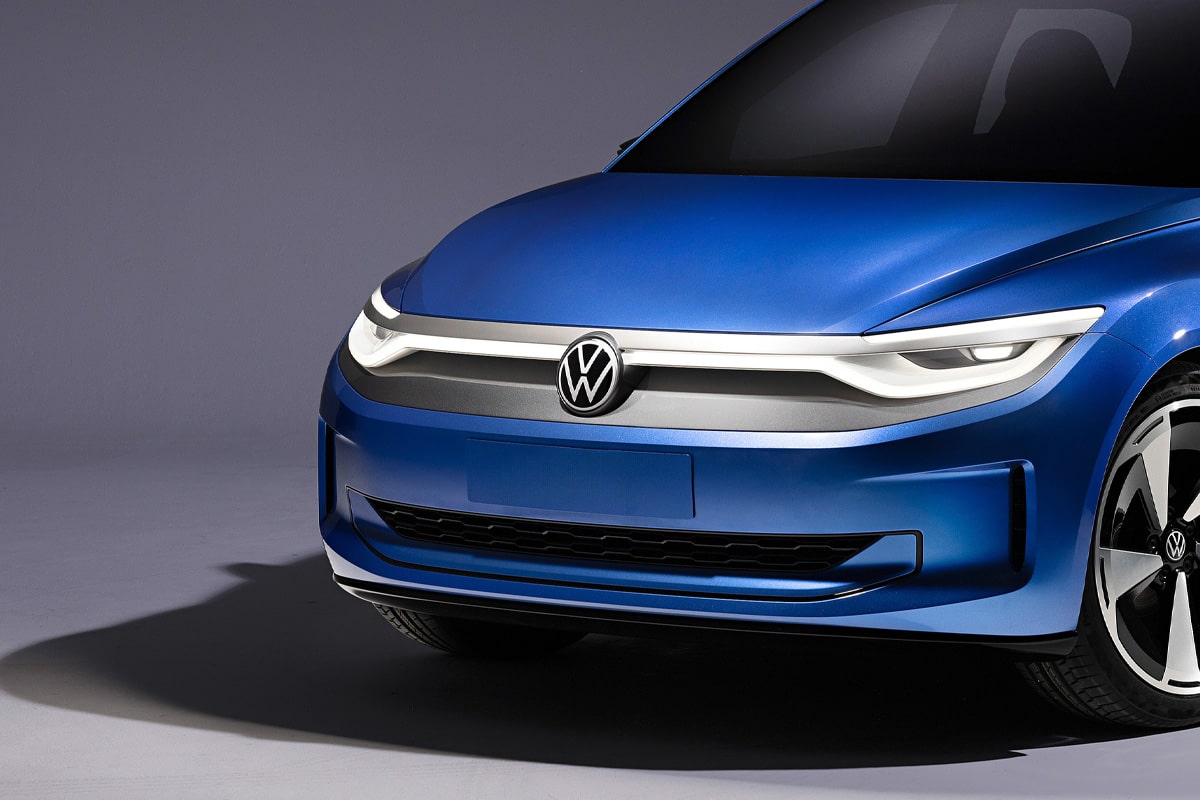
Recent confirmations from Volkswagen CEO Thomas Schäfer reveal a crucial interim step in the automaker’s electric vehicle (EV) offensive: the evolution of its existing MEB platform into the MEB+. This platform enhancement, long rumored within industry circles, is slated to commence with the introduction of the new ID.2 supermini model in the coming year, signaling a more pragmatic, cost-conscious approach to EV rollout.
Volkswagen’s Strategic Platform Evolution: A Bridge to the Future
Following its debut in the ID.2, the MEB+ architecture is set to become the bedrock for Volkswagen’s entire electric lineup, encompassing popular models such as the ID.3, ID.4, and ID.7. This widespread adoption will coincide with a refreshed design language across the ID series, aiming to maintain market relevance and consumer appeal. Schäfer’s remarks underscore the immediate strategic importance of this upgrade, highlighting its role in integrating cell-to-pack battery systems utilizing Lithium Iron Phosphate (LFP) technology. This move, he emphasized, represents a significant leap forward in terms of both cost efficiency and performance for the German automotive giant.
The MEB+ platform is not intended as a permanent solution but rather a strategic stopgap, designed to keep Volkswagen’s electric offerings competitive and current until the much-anticipated, but delayed, SSP platform materializes. The SSP, a multi-billion euro extension of the current modular electric drive matrix, has faced considerable development challenges. Industry reports from September 2024, notably by Manager Magazin, indicated that Volkswagen was actively scrutinizing its medium-term investment outlays, potentially reducing them by approximately €20 billion. Among the projects reportedly under close examination for this course correction was the very refresh of the MEB electric platform itself. At that time, sources suggested that Volkswagen CFO Arno Arlitz favored a more direct transition, with the first SSP vehicles following MEB-based models sometime from 2028, bypassing an interim platform update.
LFP Batteries: A Pragmatic Shift for Cost Reduction
However, the recent confirmation of the MEB+ for 2026, coupled with its reliance on LFP cells for the ID.2 debut, signals a departure from this earlier thinking. The shift from Nickel Manganese Cobalt (NMC) batteries, prevalent in current-generation EVs, to LFP technology marks a significant strategic pivot for Volkswagen. This move is widely regarded as essential for lowering the prohibitive entry costs associated with mass-market electric vehicles, a critical factor for broader consumer adoption and, by extension, the pace of the energy transition.
Schäfer articulated this strategic imperative, noting the industry-wide trend towards LFP for volume applications, reserving higher-performance NMC chemistries for premium segments. He stated that LFP is undeniably “the technology” for the mass market. Crucially, Volkswagen Group’s Salzgitter battery factory will be instrumental in this transition, slated to produce these LFP batteries. While the facility will initially continue to manufacture NMC batteries on a smaller scale, their eventual phasing out underscores the long-term commitment to LFP for mainstream EV production.
The rising prominence of LFP batteries is not an isolated phenomenon. Advances in the technology have significantly enhanced their range capabilities, while crucially preserving their inherent cost advantage over NMC cells. Tesla pioneered the mass-production integration of LFP in its China-made Model 3, with other major automakers like Ford subsequently following suit. Volkswagen’s decision to embrace LFP firmly positions it within this growing cohort, recognizing the technology’s potential to democratize EV ownership.
Investment Scrutiny and Implications for Energy Markets
For investors focused on the oil and gas sector, Volkswagen’s strategic adjustments offer valuable insights. The substantial financial scrutiny, including potential multi-billion euro investment cuts and the delayed SSP platform, highlights the immense capital intensity and inherent risks associated with the wholesale transition to electric powertrains. Such delays and cost-cutting measures in the automotive sector can indirectly influence the timeline for peak oil demand, suggesting a more protracted evolution rather than an abrupt decline.
The emphasis on LFP batteries underscores the automotive industry’s battle against high manufacturing costs—a battle that, if prolonged, can temper the pace of EV adoption and thus maintain a robust demand floor for traditional fossil fuels for longer than some ardent electrification proponents predict. Furthermore, the massive investment into battery production facilities, such as the Salzgitter plant, signifies a significant re-allocation of capital within the broader energy ecosystem. While these investments are critical for the EV future, they also divert resources that could otherwise flow into other areas of energy innovation or infrastructure.
The transition away from internal combustion engines is undeniable, but the path is fraught with financial challenges, technological compromises, and strategic recalculations. Volkswagen’s measured, cost-focused approach with MEB+ and LFP batteries serves as a stark reminder that the journey to a fully electrified fleet is a marathon, not a sprint. For oil and gas investors, this signifies that while long-term energy paradigms are shifting, the immediate to medium-term demand for hydrocarbons remains resilient, supported by the very real-world complexities of scaling up alternative energy infrastructure and technologies across diverse global markets.