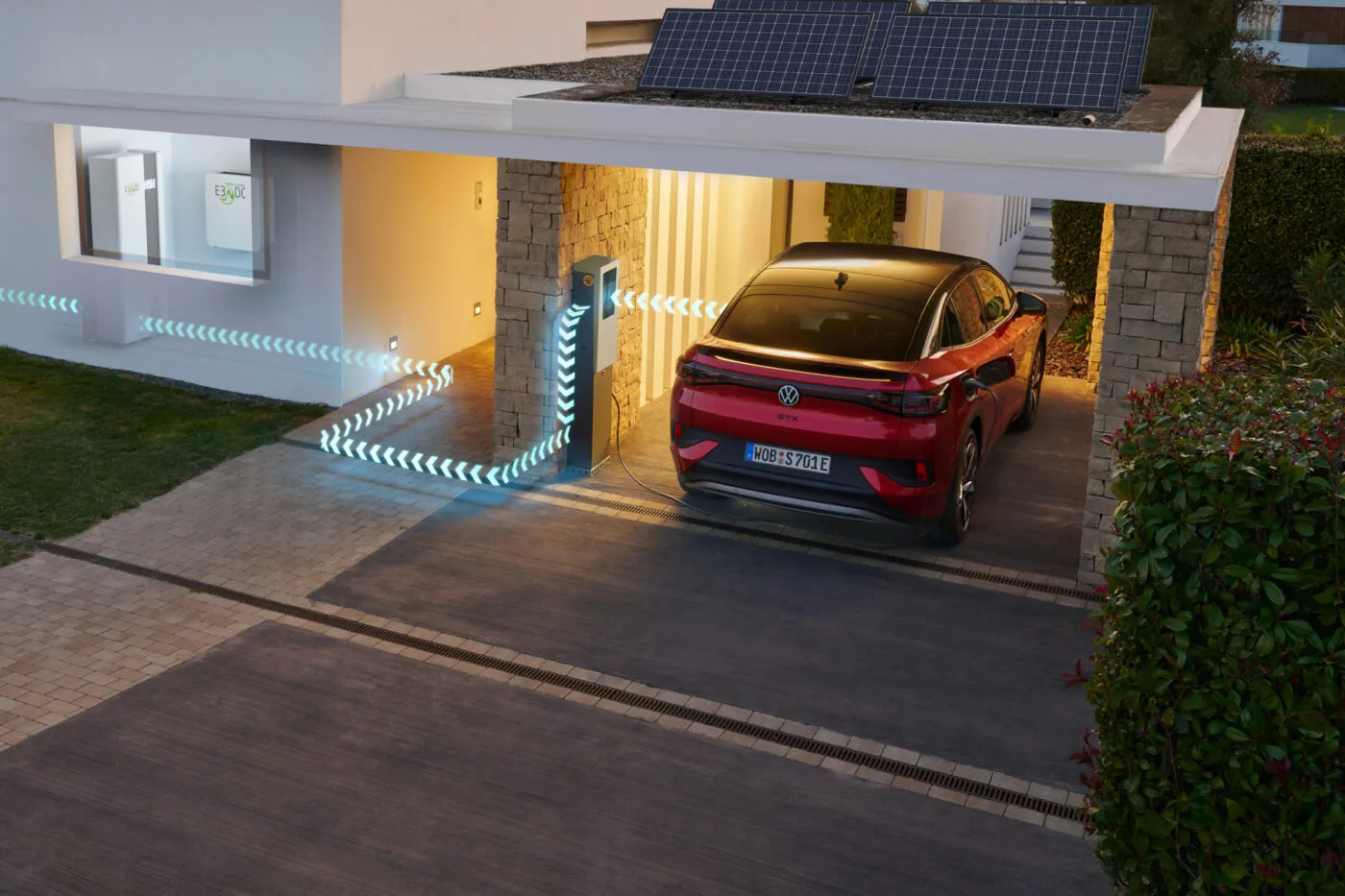
VW’s V2G Push: A New Dimension for Energy Grid Stability and Oil Demand Dynamics
Volkswagen’s recent partnership with the International Energy Agency’s (IEA) Task 53 initiative marks a significant milestone in the evolution of Vehicle-to-Grid (V2G) technology. This collaboration, aimed at achieving full interoperability in bidirectional charging between electric vehicles (EVs), charging infrastructure, and power grids, signals a strategic pivot by a major automotive player towards integrating EVs not just as transportation assets, but as critical components of future energy grids. For oil and gas investors, this development is more than just an EV story; it represents a foundational shift in how electricity grids will be managed, potentially altering demand profiles for traditional energy sources, bolstering grid resilience, and creating new investment opportunities and risks across the entire energy spectrum.
The Interoperability Imperative: Unlocking V2G’s Full Potential
Task 53, a critical initiative under the IEA’s Electric Vehicle Technology Collaboration Programme, is dedicated to solving the complex challenge of interoperability within the V2G ecosystem. The issue isn’t merely about getting an EV to charge bidirectionally; it’s about seamless, standardized communication and energy flow between diverse vehicle models, a myriad of charging stations, and the intricate demands of national power grids. Volkswagen, already enabling bidirectional DC charging in many of its MEB models, recognizes that the theoretical capability is only half the battle. By joining Task 53 as the first automotive partner, VW is directly addressing the “bugs & gaps” identified through intensive testing – technical hurdles that currently limit the economic viability and scalability of V2G solutions. This strategic commitment by a global automotive giant underscores the industry’s intent to move V2G from niche projects to widespread adoption. For investors tracking the energy transition, VW’s move signals a crucial step towards standardizing a technology that could profoundly impact electricity demand and grid infrastructure, indirectly influencing the long-term outlook for natural gas in power generation and the overall pace of decarbonization.
Market Volatility and the Underlying Energy Transition
The energy market today presents a picture of stark volatility, a reminder that immediate geopolitical and supply-side factors continue to exert immense influence. As of today, Brent Crude trades at $90.38 per barrel, a significant 9.07% drop within the day, having seen a range between $86.08 and $98.97. Similarly, WTI Crude stands at $82.59, down 9.41%, trading within a day range of $78.97 to $90.34. Gasoline prices have also seen a notable decline, currently at $2.93 per gallon, down 5.18%. This intraday turbulence comes on the heels of a broader downturn, with Brent having shed $20.91, or 18.5%, from $112.78 on March 30th to $91.87 just yesterday. While these sharp price corrections are often attributed to immediate supply-demand imbalances or macroeconomic concerns, they also occur against a backdrop of fundamental, long-term shifts. Volkswagen’s commitment to V2G, though seemingly distant from today’s oil price swings, is a powerful undercurrent in this energy transition narrative. It highlights how technological advancements in electrification and grid management are slowly, yet inexorably, reshaping future energy demand, influencing the investment horizons for fossil fuels even as markets react to short-term news.
V2G’s Grid Impact and Addressing Investor Concerns
The widespread adoption of V2G, facilitated by interoperability efforts like Task 53, holds transformative potential for grid stability and energy management. Instead of merely consuming power, millions of EVs could act as a vast, distributed energy storage network, injecting power back into the grid during peak demand or absorbing surplus renewable energy. This capability could significantly reduce the strain on centralized power generation, particularly the need for traditional natural gas “peaker plants” that are fired up to meet sudden surges in electricity demand. For investors closely monitoring the future of oil and gas, questions like “what do you predict the price of oil per barrel will be by end of 2026?” or “What are OPEC+ current production quotas?” often dominate their immediate focus. While V2G won’t directly impact OPEC+ production decisions or next quarter’s oil prices, it introduces a powerful long-term demand-side variable. By making grids more resilient and accommodating a higher penetration of intermittent renewables, V2G indirectly reduces the long-term reliance on fossil fuels for electricity generation, contributing to the broader narrative of peak oil demand and the strategic re-evaluation of upstream investments. This technological shift encourages investors to look beyond immediate commodity prices and assess how energy companies are positioning themselves for a future where electrification and smart grid solutions play a central role.
Navigating the Future: Events, Opportunities, and Strategic Adaptations
The energy calendar is always dynamic, presenting both immediate catalysts and long-term directional signals. With the OPEC+ Joint Ministerial Monitoring Committee (JMMC) meeting scheduled for tomorrow, April 18th, followed by the full Ministerial meeting on April 19th, the market will be keenly watching for any adjustments to current production quotas, a key driver of short-to-medium-term crude prices. These high-stakes, supply-side decisions stand in stark contrast to the slower, yet profoundly impactful, demand-side shifts championed by initiatives like V2G. Alongside these OPEC+ gatherings, upcoming data releases such as the API Weekly Crude Inventory (April 21st and 28th), the EIA Weekly Petroleum Status Report (April 22nd and 29th), and the Baker Hughes Rig Count (April 24th and May 1st) will provide critical snapshots of present-day supply and demand fundamentals. For oil and gas investors, particularly those asking about the trajectory of companies like Repsol or the broader oil price outlook for 2026, the challenge lies in synthesizing these immediate market signals with the accelerating pace of the energy transition. Traditional energy companies are increasingly exploring opportunities in grid services, energy storage, and sustainable fuels. The rise of V2G could incentivize further investment in flexible power generation, advanced battery technologies, and smart grid infrastructure, potentially creating new revenue streams for diversified energy players. Investors must now assess not just a company’s upstream exposure, but its strategic adaptability and readiness to participate in a multi-faceted energy future where the car battery becomes a virtual power plant.


