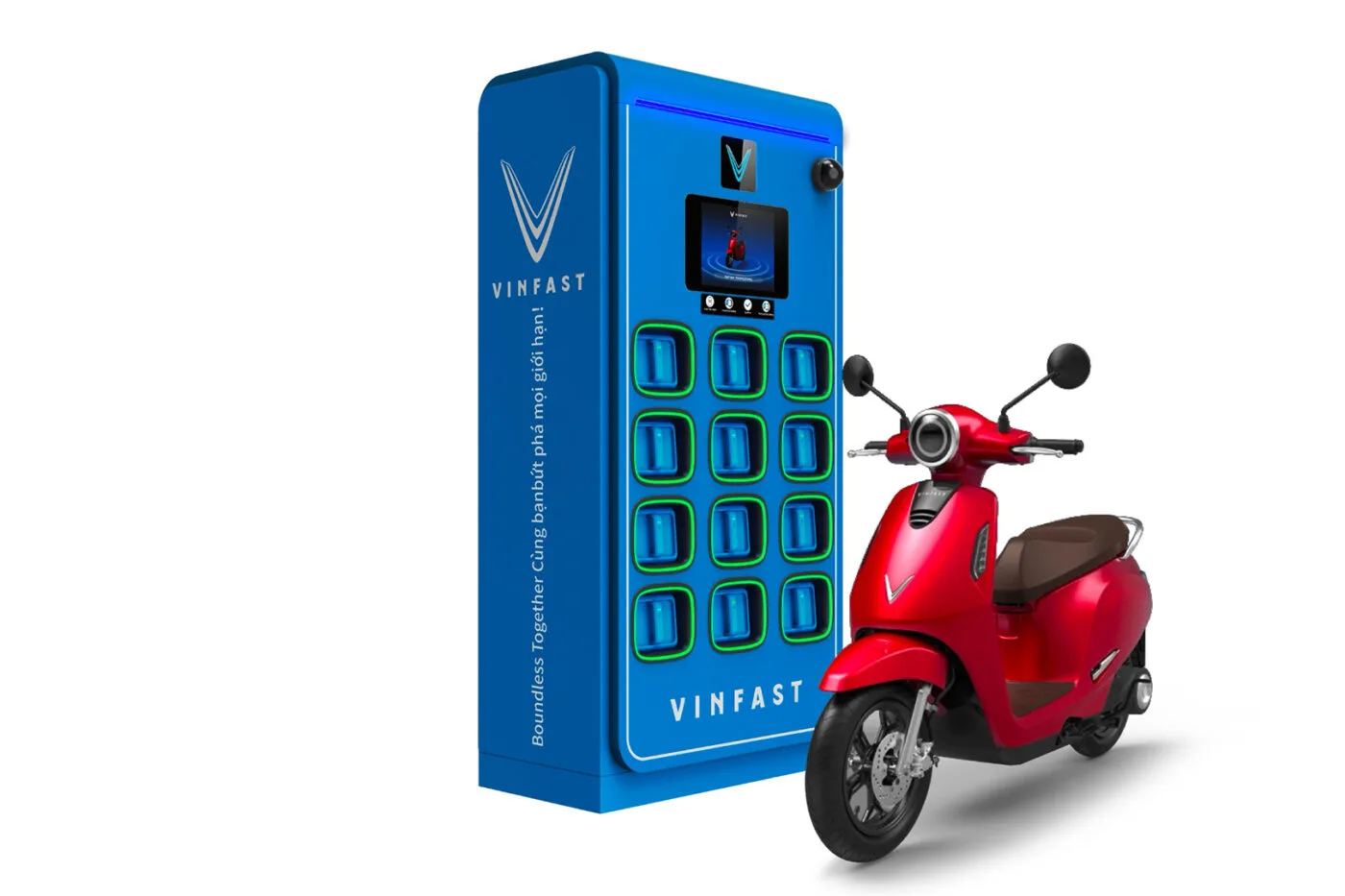
The energy transition is often viewed through the lens of passenger vehicles and grid-scale renewable projects, yet a quieter, equally potent revolution is unfolding in the two-wheeler segment of emerging markets. VinFast’s recent announcement regarding its expansive battery-swapping infrastructure for electric two-wheelers in Vietnam represents a significant, structural long-term challenge to gasoline demand, particularly in a region heavily reliant on internal combustion engine (ICE) scooters. For oil and gas investors, this initiative demands close attention as it illustrates a tangible and accelerating shift in consumer energy consumption patterns.
Vietnam’s Two-Wheeler Electrification: A Blueprint for Demand Erosion
VinFast’s audacious plan to establish 150,000 battery-swapping stations across Vietnam by 2028 is not merely an incremental step; it is a declaration of intent to fundamentally reshape urban mobility. The company aims to install its initial 1,000 stations as early as October, rapidly scaling to 50,000 outlets by the close of the year. This aggressive rollout is designed to create a network many times larger than the existing fossil-fuel station infrastructure, directly addressing a primary barrier to electric vehicle (EV) adoption: range anxiety and charging wait times. By making battery swaps as convenient, or even more convenient, than refueling a petrol scooter, VinFast is removing a critical psychological hurdle for millions of potential EV converts.
The economics for consumers are compelling. VinFast’s swappable electric two-wheelers, such as the ‘Evo Max’ launching in October at 20 million dong (€655), offer a highly accessible entry point. With models like the Feliz Max, Verox Max, and Drift Max following this year, priced up to 39.9 million dong (€1,306), the company covers various market segments. Each 1.5 kWh battery provides a range of up to 85 km, with scooters designed to accommodate two batteries for extended travel. The monthly rental fee of 200,000 dong (€6.55) per battery and a modest swapping fee of 9,000 dong (€0.29) introduce a predictable, lower operational cost compared to fluctuating gasoline prices. This strategic pricing, combined with widespread availability, creates a powerful incentive for petrol scooter owners to transition, directly impacting gasoline consumption volumes in a market where two-wheelers dominate personal transport.
Navigating Oil Market Volatility Amidst Structural EV Growth
The backdrop for this EV expansion is a global oil market characterized by persistent volatility. As of today, April 16th, Brent crude trades at $98.01 per barrel, marking a +3.24% gain for the session, while WTI sits at $89.65, up +1.72%. This rebound follows a notable downward trend over the past fortnight, with Brent having shed over 12% from $108.01 on March 26th to $94.58 just yesterday, April 15th. Gasoline prices reflect this dynamism, currently standing at $3.08 per gallon, a +2.33% increase today.
This daily and weekly price fluctuation, while significant for short-term trading, masks the deeper, structural shifts occurring in global energy demand. Our proprietary reader intent data reveals a keen investor focus on current Brent pricing, OPEC+ production quotas, and developing a robust base-case Brent price forecast for the coming quarter. These questions underscore the market’s ongoing search for clarity amidst supply-side uncertainties and evolving demand narratives. While higher oil prices typically accelerate EV adoption by making ICE vehicles more expensive to run, VinFast’s infrastructure play is designed to insulate the transition from short-term price swings. By making the switch inherently more convenient and cost-effective through a robust swapping network, the economic calculus shifts from reactive to proactive, ensuring that even periods of lower oil prices do not derail the momentum towards electrification in Vietnam’s critical two-wheeler segment.
Upcoming Events and the Long-Term Oil Demand Horizon
The coming weeks are particularly critical for understanding the near-term trajectory of global oil prices, with several key events on the energy calendar that will shape investor sentiment and supply dynamics. The Baker Hughes Rig Count, scheduled for April 17th and again on April 24th, will offer insights into North American production activity. More importantly for global supply, the OPEC+ Joint Ministerial Monitoring Committee (JMMC) meets on April 18th, followed swiftly by the Full Ministerial Meeting on April 20th. Decisions made during these OPEC+ gatherings regarding production quotas will have immediate and significant implications for the global supply-demand balance and crude benchmarks.
Further short-term indicators will come from the API Weekly Crude Inventory report on April 21st and April 28th, alongside the EIA Weekly Petroleum Status Report on April 22nd and April 29th, providing crucial snapshots of inventory levels and refining activity. While these events will drive price volatility and provide trading opportunities, investors must maintain a strategic long-term perspective. Projects like VinFast’s, though localized, represent a steady, incremental erosion of oil demand, specifically gasoline, that will accumulate over time. Each electric scooter put on the road, supported by a ubiquitous swapping network, reduces the pool of potential gasoline consumers. OPEC+’s ability to manage global supply will increasingly be challenged by these structural demand-side pressures, making their future decisions even more complex as the energy transition gains traction in key consumption hubs.
Investment Implications for a Decarbonizing World
For oil and gas investors, VinFast’s strategy in Vietnam serves as a powerful case study in localized demand destruction. The sheer scale and aggressive timeline of the battery-swapping network indicate a commitment that transcends typical market fluctuations. This model, if successful, could become a blueprint for other emerging markets with high two-wheeler penetration, such as India, Indonesia, and Thailand, amplifying the global impact on gasoline demand. Investors assessing portfolios with significant exposure to refined products, particularly gasoline, must factor in these accelerating trends.
The continued build-out of EV charging and battery-swapping infrastructure represents a persistent headwind for the demand growth of liquid fuels. While the global demand for oil is vast and diverse, the electrification of personal transport in high-density urban environments, especially in rapidly developing economies, directly targets a significant segment of gasoline consumption. Diversification within energy portfolios, alongside a sharp focus on companies adapting to a decarbonizing world, becomes paramount. Monitoring regional EV adoption rates and infrastructure development, rather than solely relying on global aggregated data, will be crucial for discerning the true pace of energy transition and its specific impacts on oil and gas assets. VinFast’s move is a clear signal: the energy landscape is shifting, and these local innovations are collectively building towards a future with materially altered demand profiles for traditional fuels.


