Venezuela’s Oil Crossroads: The Texas Model vs. OPEC’s Influence
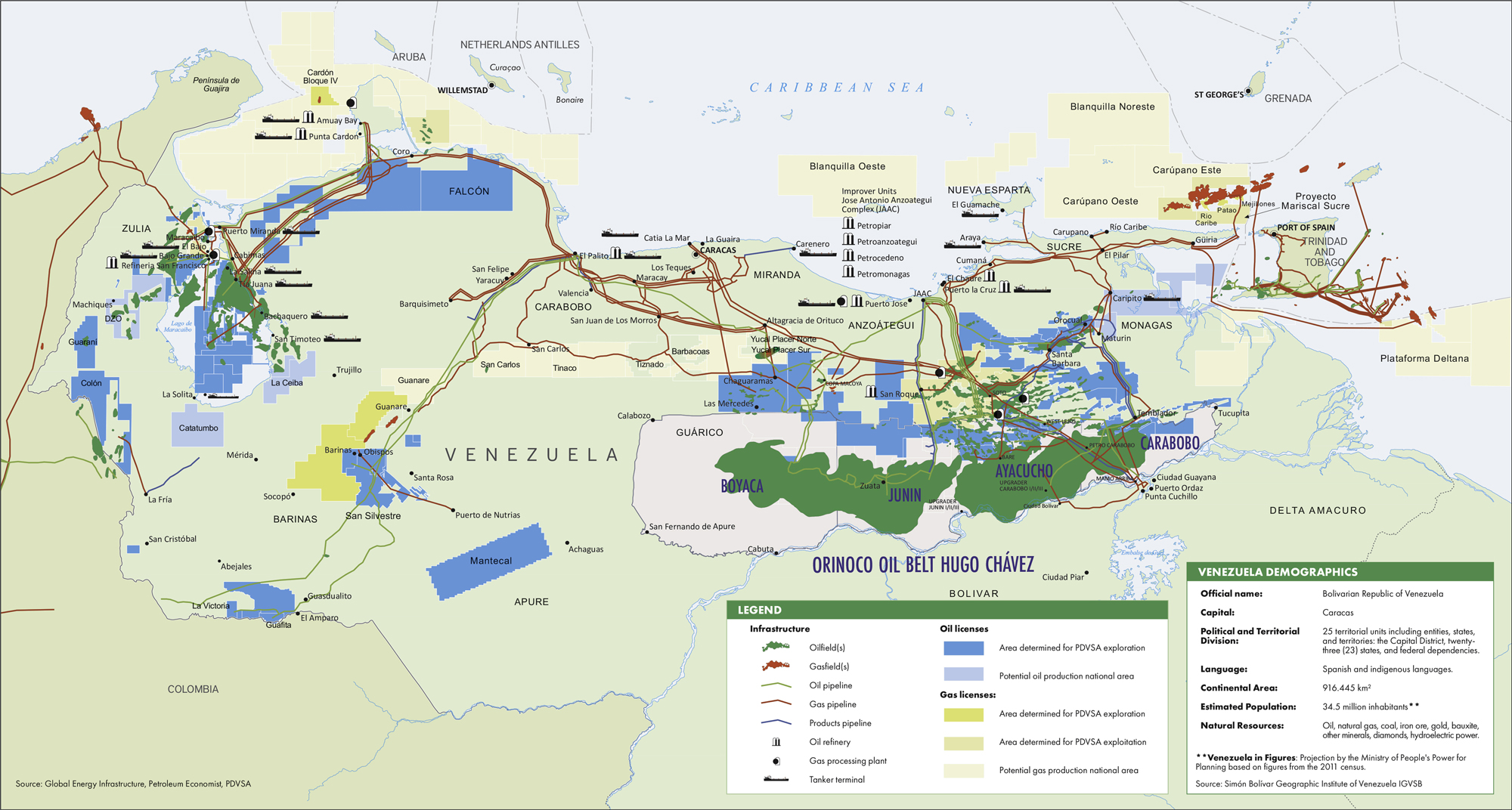
Venezuela, a nation endowed with some of the world’s largest proven oil reserves, stands at a critical juncture. After decades of operational decline, mismanagement, and geopolitical isolation, the prospect of its re-entry into global energy markets sparks considerable debate among investors. The fundamental question isn’t merely if Venezuelan crude will flow again, but under what regulatory and market framework it will operate. This analysis delves into the contrasting philosophies of the “Texas model” of energy regulation versus the long-standing influence of OPEC, examining which path offers greater long-term stability, transparency, and attractive investment conditions for a resurgent Venezuelan oil sector.
The Allure of the Texas Model for Oil Market Stability
The Texas model, epitomized by the Railroad Commission of Texas (RRC), presents a compelling alternative to cartel-driven market management. Despite its anachronistic name, the RRC has, for over a century, overseen the drilling, production, pipeline infrastructure, and environmental safety of Texas’s vast oil and gas industry. This regulatory body, the oldest and arguably most experienced of its kind globally, has fostered an environment where Texas has become the backbone of American energy security, producing nearly half of all U.S. crude oil and leading in natural gas output. Critically, the RRC operates on principles of engineering, geology, data-driven decisions, and market fundamentals, balancing production with resource conservation to prevent boom-and-bust cycles. This approach, which remarkably served as an inspiration for OPEC’s initial formation, differs fundamentally in its unwavering commitment to market-based mechanisms rather than geopolitical maneuvering. For investors eyeing Venezuela, a regulatory framework rooted in transparent, science-based principles akin to the Texas model could unlock significant, sustained value by fostering predictable production and attracting necessary capital and technology.
OPEC’s Enduring Influence Amidst Market Volatility
While the Texas model emphasizes market-driven stability, OPEC has historically sought to achieve equilibrium through managed supply. Today’s global oil market, however, continues to demonstrate significant volatility, challenging the cartel’s ability to maintain consistent price levels. As of today, Brent Crude trades at $93.86, showing a notable daily increase of 3.79% within a day range of $89.11 to $95.53. Similarly, WTI Crude is at $90.22, up 3.2% from a daily low of $85.5. This upward movement follows a challenging period where Brent saw a sharp 19.8% decline from $118.35 on March 31 to $94.86 on April 20, highlighting the inherent unpredictability even with cartel interventions. OPEC’s challenge lies in reconciling its members’ individual economic needs with the collective goal of market stability, a balance often swayed by political considerations rather than purely economic ones. For Venezuela, aligning with a system that has, at times, prioritized political objectives over transparent market principles could perpetuate the very issues of underinvestment and operational inefficiencies that have plagued its oil sector for decades.
Investor Outlook: Navigating Uncertainty and Upcoming Catalysts
Our proprietary reader intent data reveals a clear focus among investors on future oil price movements and the stability of the global energy landscape. Questions like “is WTI going up or down?” and “what do you predict the price of oil per barrel will be by end of 2026?” underscore a pervasive desire for clarity in an inherently complex market. For investors considering Venezuelan opportunities, the key lies in understanding the potential regulatory shift and its implications for long-term production. While a full transition to a Texas-style model might be aspirational, any move towards greater transparency, predictable policy, and investment security would be a significant catalyst. Looking ahead, several upcoming events will shape market sentiment and provide crucial data points. The OPEC+ Joint Ministerial Monitoring Committee (JMMC) meeting on April 21 will be closely watched for any signals regarding production targets and compliance, directly impacting supply expectations. Furthermore, the EIA Weekly Petroleum Status Reports on April 22 and April 29, alongside the Baker Hughes Rig Count releases on April 24 and May 1, will offer real-time insights into U.S. inventory levels and drilling activity. These data points, combined with the EIA’s Short-Term Energy Outlook on May 2, will be critical for investors to gauge market fundamentals and refine their forward price predictions, especially as the prospect of Venezuelan crude re-entering the market gains traction.
Strategic Implications for Energy Investment
The debate over Venezuela’s path forward is not merely academic; it carries profound implications for global energy investment. A pivot towards a market-oriented, transparent regulatory framework, mirroring the principles that propelled Texas to energy dominance, could fundamentally alter Venezuela’s attractiveness. Such a shift would de-risk investment by providing greater certainty for capital allocation, fostering technological adoption, and ultimately maximizing recoverable reserves sustainably. Conversely, a continued reliance on opaque, politically driven cartel mechanisms risks perpetuating the cycles of underperformance and limited foreign investment that have long characterized the Venezuelan oil industry. For savvy investors, monitoring the political and regulatory signals emanating from Caracas, particularly in light of global energy demand dynamics and the ongoing market volatility, will be paramount. The long-term success of Venezuela’s oil sector and its ability to contribute meaningfully to global supply will hinge on its choice of model: the proven stability and market integration offered by the Texas approach, or the continued, often unpredictable, influence of the OPEC framework.