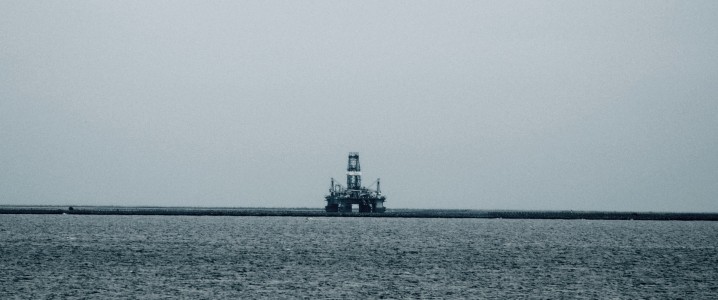
Vår Energi’s ambitious $15 billion investment strategy in Norway’s offshore sector is more than just a capital expenditure announcement; it’s a profound statement on the viability and strategic importance of high-value, low-cost barrel production in a volatile global energy market. This significant commitment, targeting the sustenance of over 350,000 barrels of oil equivalent per day (boepd) beyond 2030, positions Vår Energi as a key player in Norway’s long-term energy outlook. For investors, this move signals a clear pathway to sustained cash flow and operational resilience, particularly as the company leverages existing infrastructure to mitigate development risks and optimize capital efficiency.
Strategic Tie-Backs Underpin Long-Term Production Growth
Vår Energi, an independent powerhouse in Norwegian offshore production, is methodically executing a growth strategy centered on tie-back projects. The company has already sanctioned 10 development projects this year, with an additional 20 in its early-phase portfolio slated for delivery by the decade’s end. This strategy is designed to add high-value barrels, sustaining production between 350,000 and 400,000 boepd well into the next decade. The core advantage of these tie-back developments lies in their capital efficiency; by connecting new discoveries to existing infrastructure, Vår Energi significantly reduces the substantial outlays typically associated with standalone field developments. This approach has already shown tangible results, with oil and gas output surging from an average of 280,000 boepd in 2024 to approximately 430,000 boepd today. Critically, this growth has coincided with a reduction in unit operating costs, now standing at an impressive $10 per barrel of oil equivalent (boe) – a level the company expects to maintain going forward. Such cost discipline is paramount for insulating future earnings against market fluctuations.
Navigating Volatility: Vår Energi’s Resilience in a Shifting Market
The timing of Vår Energi’s robust investment plan comes against a backdrop of considerable volatility in global crude markets. As of today, Brent Crude trades at $91.87, reflecting a notable 7.57% daily downturn and an even more significant 18.5% decline over the past two weeks from its high of $112.78 on March 30th. Similarly, WTI Crude stands at $84, down 7.86% in the current session. This recent downward pressure underscores the unpredictable nature of energy prices, influenced by geopolitical factors, demand signals, and supply adjustments. In this environment, Vår Energi’s commitment to projects with low operating costs becomes a critical differentiator. An average operating cost of $10 per boe provides a substantial buffer against price declines, ensuring that a significant portion of their production remains profitable even during periods of market softness. This cost advantage allows the company to maintain healthy margins, fund ongoing investments, and potentially return value to shareholders, even as other producers with higher breakevens face tighter constraints.
Addressing Investor Concerns: Sustainability and Long-Term Value
A recurring theme in investor inquiries this week revolves around the long-term trajectory of crude prices, with many readers asking what to predict for oil per barrel by the end of 2026. This forward-looking sentiment highlights the importance of sustainable production strategies that can weather medium-term price uncertainty. Vår Energi’s focus on sustaining high production levels beyond 2030 directly addresses these concerns. By building a pipeline of 30 projects and achieving a low unit operating cost, the company is positioning itself to be profitable across a wide range of price scenarios. The recent oil discovery near its Goliat field in the Barents Sea further exemplifies this strategy. This discovery, situated close to existing infrastructure, not only boosts overall discovered resources at the Goliat Ridge but also presents another prime candidate for a cost-effective tie-back. This strategic approach to resource development ensures that Vår Energi is not solely reliant on peak oil prices for profitability, but rather on efficient, sustained production that can deliver consistent returns over the long haul, instilling confidence in its ability to perform well in the coming years.
Upcoming Catalysts: Shaping the Outlook for Norwegian Offshore Investments
The immediate future holds several key events that could influence the broader market sentiment and, by extension, the strategic context for Vår Energi’s investments. Tomorrow, April 18th, the OPEC+ Full Ministerial Meeting is scheduled, a pivotal gathering that could lead to shifts in production quotas. Any decision to adjust output levels could significantly impact global crude supply and pricing, directly affecting the revenue potential for Norwegian producers like Vår Energi. Beyond this, the market will closely monitor weekly data releases, including the API Weekly Crude Inventory (April 21st, April 28th) and the EIA Weekly Petroleum Status Report (April 22nd, April 29th). These reports offer crucial insights into demand trends and inventory levels, which are fundamental drivers of oil prices. Furthermore, the Baker Hughes Rig Count (April 24th, May 1st) will provide a snapshot of drilling activity, indicating future supply dynamics. While Vår Energi’s strategy is designed for long-term resilience, these near-term market signals will continually inform the investment landscape, influencing sentiment and capital allocation decisions within the energy sector. Investors should watch these events closely for clues on how the broader market will support, or challenge, the impressive growth trajectory Vår Energi is charting.


