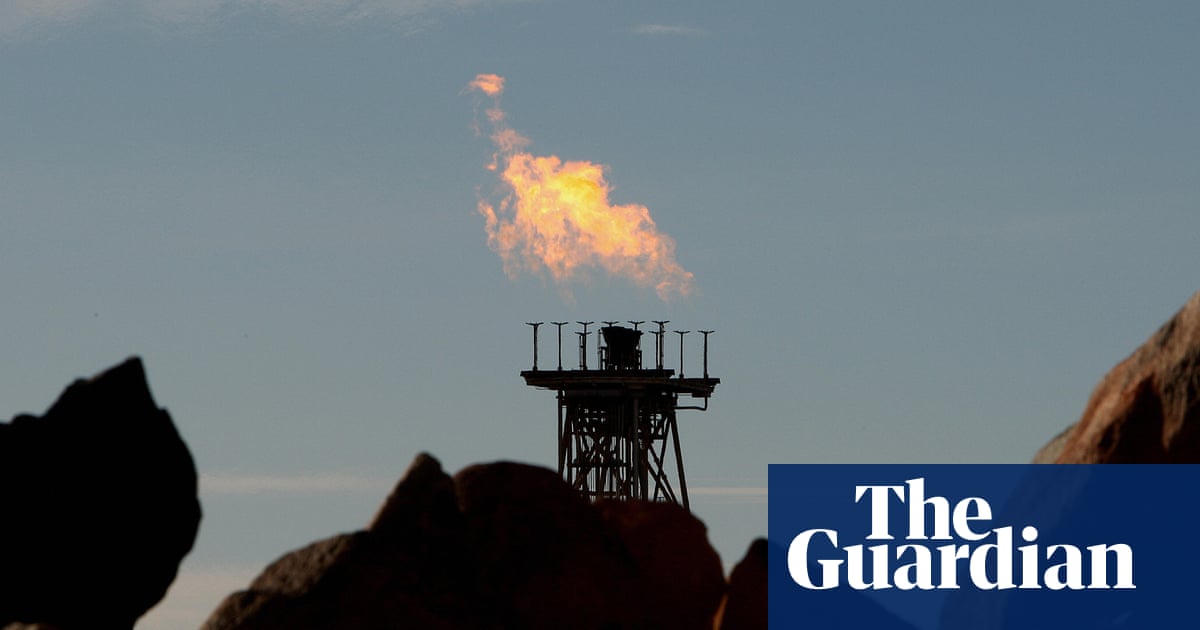
Australia’s recent approval of the Woodside North West Shelf (NWS) liquefied natural gas (LNG) project extension, potentially operating until 2070, has ignited a significant diplomatic firestorm, particularly with its Pacific neighbors. This decision, extending the operational life of one of the world’s largest gas projects, introduces a new and complex layer of policy risk for long-term energy investments in the region. It directly challenges Australia’s international climate commitments and its bid to co-host the COP31 summit, creating a palpable tension between economic interests and environmental leadership that investors must closely monitor.
The Geopolitical Fault Line in Australian Gas Policy
The Australian government’s decision to greenlight the NWS extension has drawn sharp criticism from Pacific island nations, most notably Vanuatu. Ralph Regenvanu, Vanuatu’s climate minister, expressed profound disappointment, characterizing Australia’s actions as “double-speak.” His concerns stem from the perceived contradiction between Australia’s stated commitment to climate action and its approval of a project estimated to contribute up to 6 billion tonnes of greenhouse gases over its extended lifetime. This creates a challenging environment for Australia’s diplomatic initiatives, particularly its push to co-host COP31 with Pacific nations in Adelaide, positioning it as a “Pacific COP.”
For energy investors, this isn’t merely a political spat; it signals an escalating level of social license and regulatory risk. The explicit questioning of Australia’s credibility as a climate partner by regional leaders like Palau’s President Surangel Whipps Jr., who tied the merit of the COP31 bid to a shift away from new gas and coal, highlights a growing global trend. Jurisdictions seen as inconsistent in their climate policies may face increased scrutiny, potential legal challenges, and higher capital costs, ultimately impacting the long-term viability and valuation of multi-decade fossil fuel projects.
Market Dynamics and the Long-Term LNG Horizon
Current market conditions might seem to justify long-term gas project approvals, but the political backlash introduces critical non-market risks. As of today, Brent crude trades at $96.62, marking a 1.93% increase for the day and demonstrating a recovery from its recent 14-day trend, where prices dipped from $102.22 to $93.22. WTI crude similarly stands at $92.94, up 1.82%, with gasoline prices holding at $3. This robust pricing environment provides a strong backdrop for energy producers and potentially encourages investment in new or extended fossil fuel infrastructure.
However, the NWS extension, planned to run for nearly 50 more years, hinges on far more than just today’s commodity prices. The longevity of such an asset means its profitability and social acceptance will be increasingly exposed to evolving global climate policies, carbon pricing mechanisms, and international pressure. While short-term rallies provide tailwinds, the inherent contradiction between approving a massive, long-term gas project and simultaneously vying for climate leadership suggests a potential disconnect that could translate into significant future policy shifts, regulatory hurdles, or even stranded asset risk.
Investor Scrutiny: Forecasting Amidst Policy Uncertainty
The evolving policy landscape, particularly in major energy-exporting nations like Australia, significantly complicates investor modeling and forecasting. Our proprietary intent data reveals that investors are keenly focused on building base-case Brent price forecasts for the next quarter, seeking insights into the consensus 2026 Brent forecast, and analyzing drivers for Asian LNG spot prices. The NWS extension, however, injects substantial uncertainty into these projections for Australian gas assets.
For instance, while high Asian LNG spot prices might appear attractive in the short term, the political and diplomatic fallout from decisions like the NWS extension could lead to unforeseen consequences. Future policy shifts, potentially driven by a stronger global climate agenda, might introduce carbon border adjustments, stricter environmental regulations, or even a re-evaluation of export licenses. These factors, alongside the perceived “double-speak” from a major G20 economy, add a premium to political risk assessments and make long-term cash flow projections for Australian gas assets increasingly complex and prone to volatility beyond mere supply-demand fundamentals.
Upcoming Events and the COP31 Crossroads
The immediate spotlight will be on the UN’s impending announcement regarding the host for COP31, expected in the coming weeks. Australia’s co-hosting bid, once strongly supported by Pacific nations, now faces significant internal and external challenges following the NWS decision. This political event looms large for the future of energy policy in the region, even as the broader energy calendar features events like the upcoming OPEC+ Joint Ministerial Monitoring Committee (JMMC) meeting on April 18 and the Full Ministerial meeting on April 20, alongside weekly API and EIA crude inventory reports. While these events dictate short-term supply and demand dynamics, the COP31 decision will be a critical bellwether for long-term policy direction.
A failure to secure the COP31 co-host role, or a successful bid followed by continued policy dissonance, could significantly damage Australia’s international standing. This, in turn, may lead to increased scrutiny from international financial institutions, potential divestment campaigns, and an elevated cost of capital for future Australian fossil fuel projects. Investors should view the outcome of the COP31 host announcement not just as a diplomatic formality, but as a crucial indicator of the future regulatory and investment climate for resource development in a world increasingly balancing economic imperatives with urgent climate action.


