Political Rift Threatens Stable Energy Policy Outlook for Investors
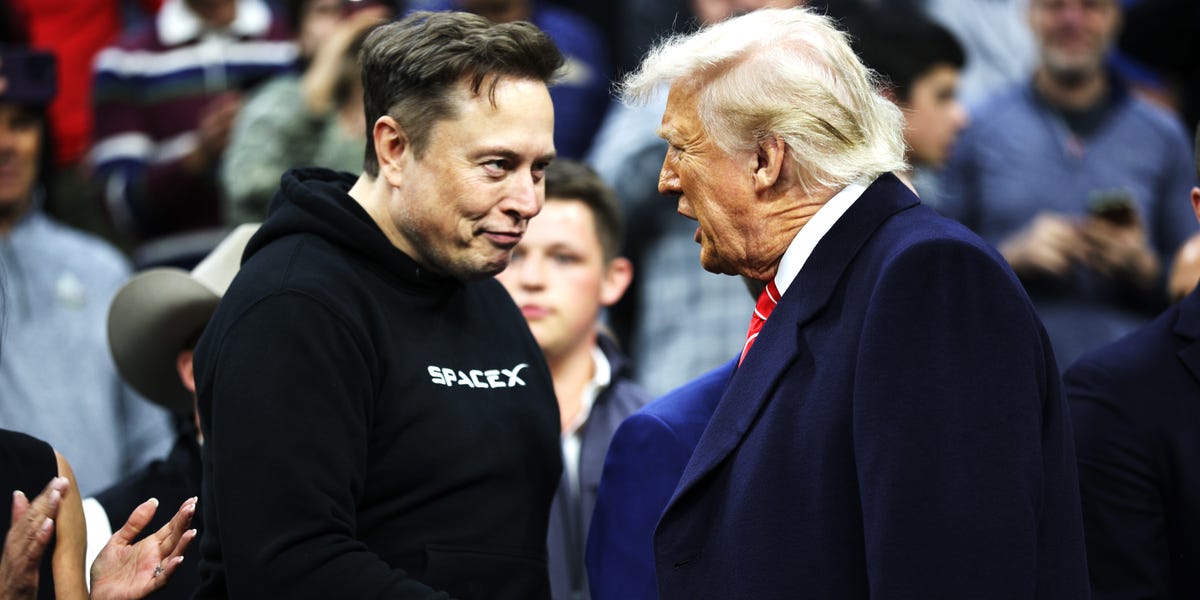
The recent public exchange between entrepreneur Elon Musk and former President Donald Trump has drawn significant attention, not least from Vice President J.D. Vance, whose comments suggest potential implications for the future direction of energy policy. For investors in the oil and gas sector, understanding these high-profile political dynamics is crucial, as they can signal shifts in regulatory environments and market sentiment.
The dispute ignited over Trump’s “big, beautiful” spending bill, which Musk publicly denounced as a “disgusting abomination.” This sharp criticism from the CEO of Tesla and SpaceX immediately created a chasm between two figures who had previously forged a close alliance, with Musk endorsing Trump’s reelection bid last year. The swift escalation of this feud, played out across public statements and social media, has naturally raised questions among energy market participants about the stability of future policy frameworks, particularly those favoring traditional hydrocarbon development.
Vance Warns Against High-Profile Discord
Vice President J.D. Vance, appearing on the “This Past Weekend w/ Theo Von” podcast, weighed in on the growing rift, cautioning against the long-term consequences of such a high-profile disagreement. Recorded on Thursday and released on Saturday, Vance’s interview highlighted his belief that Musk’s direct challenge to the former President was a “huge mistake.” While acknowledging Musk’s right to his own views, Vance emphasized the inherent danger when “the world’s wealthiest man” and “one of the most transformational entrepreneurs ever” finds himself “at war with the world’s most powerful man.”
Vance articulated concerns that the ongoing friction could be “bad for the country,” expressing hope that Musk would ultimately “figure it out” and “come back into the fold.” This intervention from a key political figure underscores the perception of a valuable, albeit now strained, alignment between figures who could significantly influence future economic and energy strategies. For oil and gas investors, a unified pro-business, pro-domestic energy stance from a potential future administration is a highly desirable, stabilizing factor. Any disruption to this perceived unity introduces an element of policy uncertainty.
Trump’s Disappointment and Musk’s Rebuttal
The former President did not remain silent in the face of Musk’s criticism. Initially appearing to hold his tongue, Trump later voiced his “very disappointed” sentiments regarding Musk during a White House event welcoming German Chancellor Friedrich Merz. Trump highlighted his past assistance to Musk, stating he had “helped Elon a lot” and that Musk was intimately familiar with “every aspect of this bill – better than almost anybody – and he never had a problem until right after he left” his role within the administration. This pointed remark referenced Musk’s recent departure from his advisory position, suggesting a calculated shift in his public posture.
Musk swiftly retaliated on X, launching a series of posts accusing Trump of “ingratitude” and asserting that Trump’s election victory would not have occurred without his direct support. The exchange quickly spiraled, with Trump escalating the stakes by threatening to sever Musk’s government contracts. This level of acrimony between influential figures, particularly those who have previously collaborated, sends ripples through the market, prompting investors to assess potential regulatory shifts and the stability of industrial partnerships that rely on government backing.
Implications for Energy Policy and Investment
The core concern for oil and gas investors stemming from this political drama lies in its potential to destabilize a previously anticipated pro-fossil fuel policy environment. A Trump administration, historically, has championed deregulation and expanded domestic oil and gas production. Musk, while a proponent of innovation, represents a powerful voice for electric vehicles and renewable energy. While his direct influence on oil and gas policy might seem tangential, a fractured relationship with a potential future administration leader could indirectly impact the broader energy discourse.
A united front between influential business leaders and political figures often translates into predictable policy, which is invaluable for long-term capital-intensive industries like oil and gas. Conversely, public rifts introduce an unpredictable element. If Musk, a prominent advocate for clean energy technologies, were to remain at odds with a future administration, it could create an environment where the push-pull between traditional and renewable energy agendas becomes more pronounced and potentially less balanced.
A Truce, But Underlying Tensions Remain
By Friday evening, the tone between Musk and Trump appeared to soften. The White House rapid response account posted a video clip on X showing Trump wishing Musk well, to which Musk responded simply, “Likewise.” This apparent de-escalation suggests a mutual desire to avoid an protracted, damaging public battle. However, for astute investors, such brief ceasefires do not erase underlying tensions. The mere occurrence of such a public spat between powerful figures who were once staunch allies highlights the fragility of political alliances and the potential for shifts in policy priorities.
The oil and gas sector thrives on clarity and stability in government policy. Any perceived wavering in support for domestic production, or an increased focus on punitive measures against traditional energy, could influence investment decisions, capital allocation, and long-term project planning. While the immediate crisis appears to have passed, the episode serves as a potent reminder that political dynamics, even those seemingly unrelated to energy directly, can have profound implications for market sentiment and the investment landscape in the oil and gas industry. Investors must remain vigilant, monitoring not only legislative actions but also the shifting alliances and public statements of influential figures that can shape the future trajectory of energy policy.