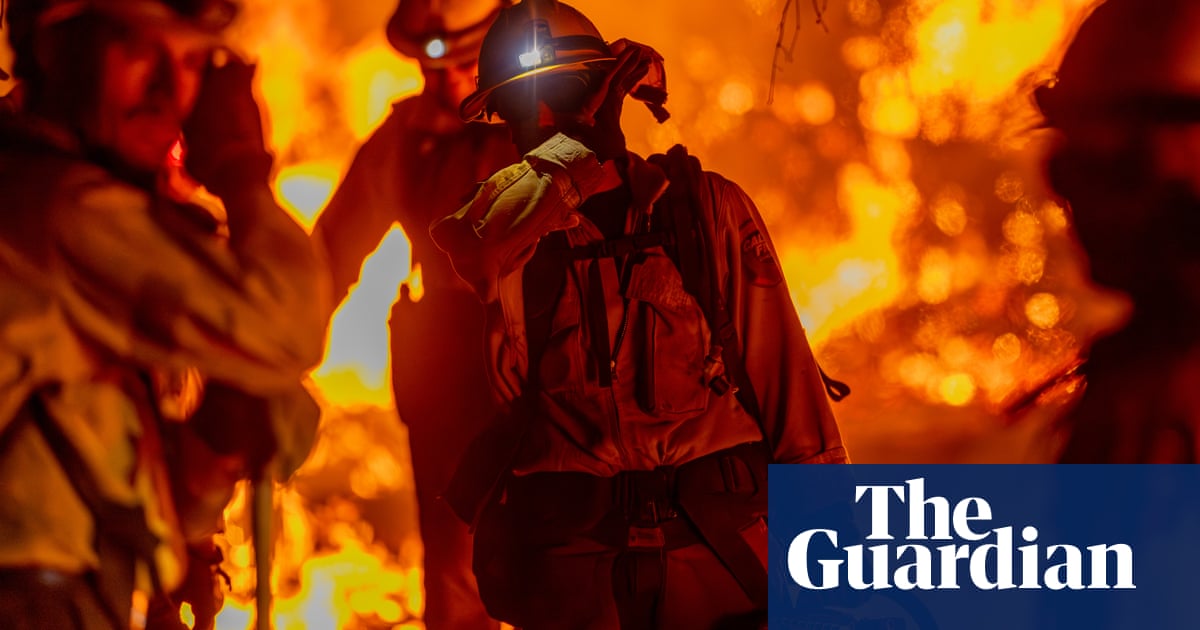
US Wildfires: A Burning Risk for Energy Sector Investors
The intensifying scourge of wildfires across the United States is no longer merely an environmental concern; it has emerged as a formidable and escalating financial hazard for investors deeply entrenched in the oil and gas sector. Fresh analytical insights illuminate the profound human and economic devastation wrought by these climate-fueled infernos, presenting a critical re-evaluation point for long-term asset valuation, operational resilience, and regulatory exposure within the energy industry.
A comprehensive study, meticulously examining the period from 2006 through 2020, paints a stark picture: an estimated 15,000 fatalities are directly attributable to exposure to fine particulate matter (PM2.5) from these blazes. Concurrently, the economic burden is staggering, topping an estimated $160 billion. These figures are not abstract; they represent a rapidly evolving risk landscape demanding immediate and heightened attention from institutional and individual investors alike as they assess the future trajectory and stability of their energy portfolios.
The Hidden Costs: Health, Operations, and Liability
Delving deeper, the research highlights a significant variability in annual fatalities, fluctuating wildly from 130 to a devastating 5,100 in different years. States like California and Oregon consistently bear the brunt of these health impacts. For the oil and gas industry, which frequently operates expansive infrastructure and maintains a substantial workforce in or adjacent to fire-prone territories, these escalating statistics translate directly into tangible increases in external operational risks. The growing frequency and sheer intensity of these events pose direct threats to critical infrastructure, disrupt intricate supply chains, and impact workforce availability, inevitably leading to potential operational stoppages and elevated costs.
At the epicenter of this escalating public health crisis is fine particulate matter, or PM2.5, recognized as the primary hazardous component of wildfire smoke. These microscopic particles, once inhaled, penetrate deep into the human respiratory system, triggering immediate irritations and more critically, exacerbating pre-existing health conditions. Prolonged exposure contributes significantly to a spectrum of chronic and potentially fatal illnesses. Vulnerable demographics, including young children, pregnant individuals, the elderly, and outdoor workers—a category encompassing a substantial segment of the energy sector’s field personnel—face disproportionately higher risks.
Globally, the Health Effects Institute estimates that PM2.5 from all sources accounts for approximately 4 million deaths annually, underscoring the pervasive danger of this pollutant. However, the recent analysis suggests that PM2.5 originating from wildfires may possess a unique toxicity profile compared to other pollution sources. This enhanced toxicity becomes particularly pronounced when fires encroach upon urbanized areas, incinerating vehicles, structures, and various synthetic materials that release additional hazardous substances into the atmosphere. For oil and gas companies, this evolving understanding of wildfire smoke toxicity could precipitate increased health and safety compliance requirements, drive up insurance premiums, and introduce significant litigation risks stemming from air quality impacts and worker exposure claims.
Climate Nexus: Reshaping O&G Strategy
The scientific community’s consensus continues to strengthen, directly linking the human-caused climate crisis—primarily fueled by the combustion of fossil fuels—to the increasing proliferation and intensity of wildfires across North America. Global warming elevates temperatures, dries out vegetation, and extends fire seasons, creating a perfect storm for mega-fires. This direct linkage places the oil and gas industry in a precarious position, facing not only direct operational threats but also heightened scrutiny regarding its role in contributing to the very conditions that exacerbate these disasters. Investors are increasingly demanding that energy companies demonstrate robust strategies for mitigating climate risks, including their own emissions, and adapting to the physical impacts of a warming planet.
The imperative for the oil and gas sector to integrate comprehensive wildfire risk assessment into its long-term strategic planning has never been more urgent. This extends beyond merely updating emergency response protocols; it necessitates a fundamental re-evaluation of asset location, operational procedures, and capital expenditure planning in areas identified as high-risk. Companies that proactively develop and implement resilient strategies will be better positioned to safeguard assets, maintain operational continuity, and secure investor confidence in an increasingly volatile environmental landscape.
Investment Implications: Beyond the Blaze
For investors, the implications of escalating wildfire risks are multifaceted. They touch upon asset valuation, potentially leading to write-downs or increased depreciation for infrastructure located in vulnerable regions. Capital expenditure requirements will likely climb as companies invest in hardening assets, improving early detection systems, and enhancing fire suppression capabilities. Furthermore, the regulatory environment is almost certain to tighten, imposing stricter environmental standards, increased reporting requirements, and potentially carbon pricing mechanisms that could further impact profitability.
The reputational risk associated with being perceived as either unprepared for climate impacts or a significant contributor to them also cannot be overstated. A robust Environmental, Social, and Governance (ESG) framework is no longer a niche consideration but a mainstream expectation, with institutional investors increasingly factoring climate resilience into their investment decisions. Companies with weak ESG performance, particularly concerning climate risk management, may face higher capital costs, diminished access to financing, and increased shareholder activism.
In conclusion, the mounting toll of US wildfires represents a critical and expanding risk vector for oil and gas investors. The direct human cost, the substantial economic burden, and the clear scientific linkage to climate change demand a proactive and strategic response from the energy sector. Companies that recognize these evolving risks and embed comprehensive resilience strategies into their core business models will not only safeguard their assets and personnel but also enhance their long-term value proposition in the eyes of discerning investors navigating a world irrevocably altered by a warming climate.


