US Intensifies Sanctions Enforcement, Targets Hong Kong Banks Over Iranian Oil Flows to China
The intricate web of global energy finance is witnessing a significant tightening of the screws as the United States escalates its campaign to disrupt Iran’s illicit oil exports. Recent actions by the U.S. Department of the Treasury have cast a critical spotlight on Hong Kong-based financial institutions, signaling a renewed and aggressive push to close all remaining avenues for Iranian crude to reach international markets, particularly China.
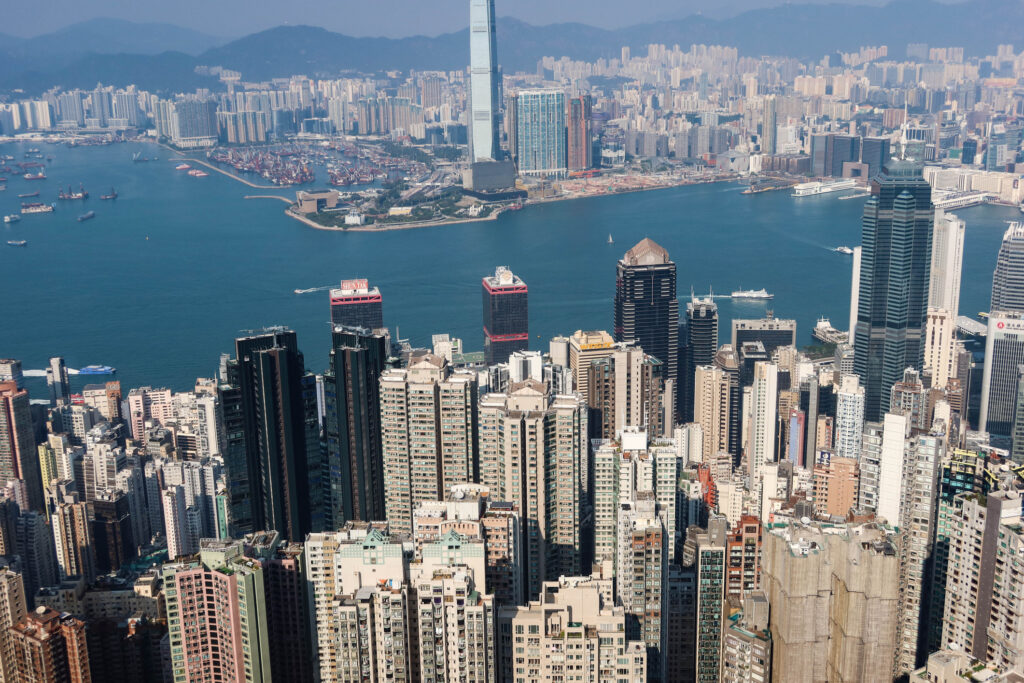
In a move that has sent ripples through the Asian financial sector, a high-level delegation from the U.S. Treasury descended upon Hong Kong in early April. During a series of crucial meetings with key bankers in the city, officials delivered a stark warning: facilitating payments for Iranian oil sales to Chinese buyers carries severe consequences. This direct engagement underscores Washington’s unwavering commitment to enforcing its “maximum pressure” campaign against Tehran, a strategy initially re-instated under the Trump administration and consistently pursued to curtail Iran’s revenue streams from crude oil.
Heightened Scrutiny and Due Diligence Demands
The U.S. Treasury’s message to Hong Kong banks was unequivocal. Financial institutions are now expected to undertake exceptionally rigorous due diligence to identify the ultimate beneficial owners behind seemingly innocuous front companies. This directive aims to unmask the complex corporate structures often employed to obscure the true origin and destination of funds in the illicit oil trade. Furthermore, bankers were explicitly instructed to flag any suspicious transactions conducted in currencies other than the U.S. dollar, a common tactic used to bypass the dollar-denominated global financial system and evade sanctions.
This intensified scrutiny extends beyond mere compliance checks; it represents a proactive measure to prevent Hong Kong’s robust financial infrastructure from inadvertently, or intentionally, becoming a conduit for sanctioned activities. For investors monitoring global energy markets, this development highlights increased operational risks for financial institutions with exposure to Asian trade flows and underscores the potential for broader disruptions in the shadow oil market.
A Broader Campaign Against Iran’s Oil Smuggling Network
The warnings issued to Hong Kong banks were not isolated incidents but rather a prelude to further enforcement actions. Shortly after the Treasury delegation’s visit, the U.S. government announced sanctions against several Hong Kong-based shipping operators and energy trading firms. This week, the Treasury took an even more significant step, sanctioning an extensive Iranian oil smuggling network. This network, according to U.S. officials, has been instrumental in funneling billions of dollars in crude oil sales to China, providing critical financial lifelines to the Iranian regime.
These actions are part of a long-standing and evolving strategy to choke off Iran’s oil revenue. The U.S. campaign has consistently targeted Chinese independent refiners, often referred to as “teapots,” which have historically been significant importers of Iranian crude. This ongoing pressure extends to entities in various jurisdictions found to be facilitating Iranian oil exports, demonstrating a global reach in sanctions enforcement.
Specific Entities and Their Roles in the Illicit Trade
Early in 2024, the U.S. Treasury identified and sanctioned several companies for their involvement in facilitating Iranian oil shipments. These included Hong Kong-based entities like Metaone Trading Limited, South Sea Energy Limited, Continental Sinoil Group Limited, and Winso Trading Limited. Additionally, Singapore-based Oriental Apple Company PTE Ltd was also implicated. These firms collectively received millions of barrels of Iranian oil, purportedly sourced from Sepehr Energy’s front company, Xin Rui Ji.
Analysts suggest these companies likely acted as intermediaries or representatives for the numerous small, independent teapot refineries concentrated near China’s Qingdao Port area in Shandong province. The direct targeting of these specific entities illustrates the U.S. Treasury’s granular understanding of the illicit supply chains and its capacity to pinpoint key players. For investors, this level of detail offers insights into the specific vulnerabilities within the shadow oil market and the potential for targeted disruptions affecting certain segments of China’s refining capacity.
Implications for Global Oil Markets and Energy Investment
The heightened U.S. enforcement actions against Iran’s oil trade carry significant implications for global energy markets. While Iran’s official exports remain under severe sanctions, its shadow trade, primarily with China, has provided a consistent supply of discounted crude, influencing global oil prices. Further curtailment of these illicit flows could lead to tighter market conditions, potentially pushing benchmark crude prices higher, especially if alternative supplies are not readily available or if geopolitical tensions escalate.
For energy investors, these developments underscore the persistent geopolitical risks in the oil and gas sector. The U.S. commitment to its “maximum pressure” campaign suggests that the flow of Iranian oil will remain a contentious and closely monitored issue. Companies involved in international shipping, trade finance, and refining, particularly those with operations in Asia, must meticulously evaluate their compliance frameworks to avoid exposure to sanctions. The ongoing efforts to dismantle Iran’s oil smuggling networks highlight the complexities and risks inherent in navigating the global crude oil trade, emphasizing the need for robust risk management and a keen understanding of evolving geopolitical landscapes.
As Washington continues to refine its tactics and expand its reach, market participants should anticipate further actions aimed at disrupting illicit oil flows, reinforcing the long-term impact of sanctions on global energy supply dynamics.