Vietnam’s Multi-Billion Dollar Energy Pivot Fuels US Partnership and Investment
Vietnam’s recent finalization of multi-billion dollar energy and mineral agreements with the United States marks a significant development for investors tracking Southeast Asian growth and global energy security. These strategic commitments, spearheaded by Vietnamese trade minister Nguyen Hong Dien during his recent visit to America, signal a deliberate effort to rebalance the trade relationship with the US and fortify against potential protectionist trade measures from a future US administration. For those monitoring capital flows into critical infrastructure and energy transition plays, these agreements highlight a robust economic convergence and a deepening bilateral partnership.
Geopolitical Dynamics Reshape Energy Sector Investment Landscapes
The impetus behind these substantial transactions stems directly from evolving global trade dynamics. With signals from Washington indicating a comprehensive re-evaluation of persistent trade imbalances and the potential for widespread tariffs, nations with significant export dependency on the US, including Vietnam, Taiwan, and Thailand, face considerable economic exposure. Vietnam’s proactive engagement, particularly through pledges in energy infrastructure, represents a crucial diplomatic and economic maneuver. This forward-thinking approach aims to protect vital trade channels and ensure a continuous stream of foreign direct investment, presenting lucrative prospects for energy investors eyeing long-term market expansion within a stable geopolitical framework.
Powering Vietnam’s Future: Strategic Gas-Fired Investments
At the heart of these newly established agreements lies Vietnam’s rapidly expanding energy sector and its urgent requirement for modern infrastructure. PetroVietnam Power, the state-controlled entity central to the nation’s electricity generation, has formalized a memorandum of understanding with the American industrial conglomerate GE Vernova. This significant agreement, valued at an estimated $4.15 billion, outlines the procurement of GE’s advanced equipment, critical for the construction of new gas-fired power facilities. This move underscores Vietnam’s strategic imperative to diversify its energy portfolio, reduce its reliance on coal, and integrate cleaner natural gas to meet its surging electricity demand. Investors focused on power generation technologies and gas infrastructure should closely observe this substantial capital allocation, recognizing the long-term growth potential in Vietnam’s power sector.
Securing Natural Gas and Crude Supplies for Growth
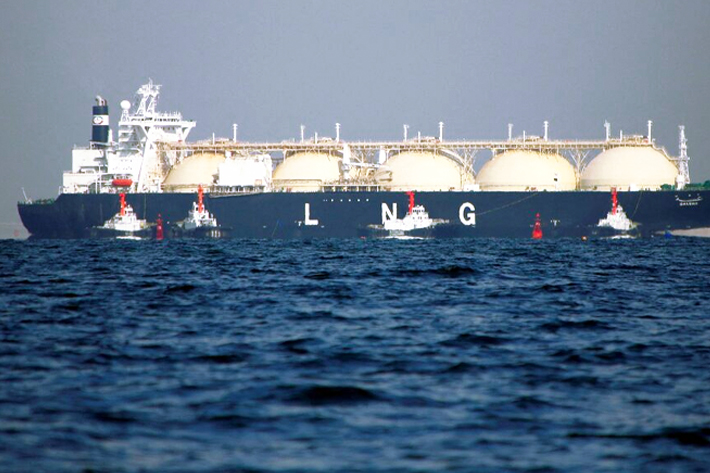
Beyond the realm of power generation, additional impactful agreements are progressing within the natural gas and crude oil sectors. PetroVietnam Gas is actively engaged in advanced discussions with prominent US energy companies, ConocoPhillips and Excelerate, signaling potential future long-term contracts for American crude oil and liquefied natural gas (LNG). As Vietnam experiences a decline in domestic gas production and a simultaneous surge in energy consumption, securing dependable LNG imports from the United States, a leading global exporter, becomes an indispensable element of its national energy security framework. This development creates significant avenues for US LNG producers and commodity traders seeking enduring supply agreements within Asia’s high-growth markets, capitalizing on Vietnam’s escalating energy needs.
Refining Capacity and Modernization Initiatives
Further enhancing the energy value chain, Vietnamese oil refiner Binh Son is reportedly collaborating with major engineering firms to explore upgrades and expansions to its refining capabilities. While specific details of these collaborations continue to emerge, the intent highlights Vietnam’s commitment to modernizing its downstream sector, improving efficiency, and potentially expanding its capacity to process various crude grades. Such initiatives are vital for meeting domestic fuel demand and could attract further investment into Vietnam’s refining and petrochemical industries, offering opportunities for specialized engineering services, technology providers, and equipment manufacturers. This modernization effort underscores Vietnam’s holistic approach to bolstering its energy independence.
Broader Economic and Investment Implications
These sweeping energy and mineral deals extend beyond immediate supply contracts, reflecting a deeper strategic alignment between the United States and Vietnam. For investors, this signifies a de-risking of trade relations and an opening for increased capital deployment across Vietnam’s entire energy ecosystem. The country’s robust economic growth, coupled with its ambitious energy transition targets, creates a fertile ground for investments in renewable energy, energy storage, smart grid technologies, and associated infrastructure. The emphasis on natural gas, specifically, positions Vietnam as a key growth market for LNG exporters and gas infrastructure developers. Furthermore, the commitment to mineral deals, though not fully detailed in this context, suggests broader opportunities in critical raw materials essential for global industrial supply chains and green technologies, diversifying the investment landscape.
A Gateway for Long-Term Energy Investment and Partnership
Vietnam’s proactive stance, exemplified by these multi-billion dollar agreements, strategically positions the nation as a premier destination for international energy investment. By addressing its energy security needs, diversifying its power generation mix, and modernizing its industrial base through partnerships with US entities, Vietnam is crafting a resilient economic future. This trajectory offers compelling opportunities for global investors to participate in a dynamic market characterized by strong demand growth, strategic government support, and a clear path toward sustainable development. The ongoing dialogues and commitments underscore a robust, long-term partnership set to drive significant value across the oil, gas, and broader energy sectors for decades to come, solidifying Vietnam’s role as a key player in the regional and global energy transition.